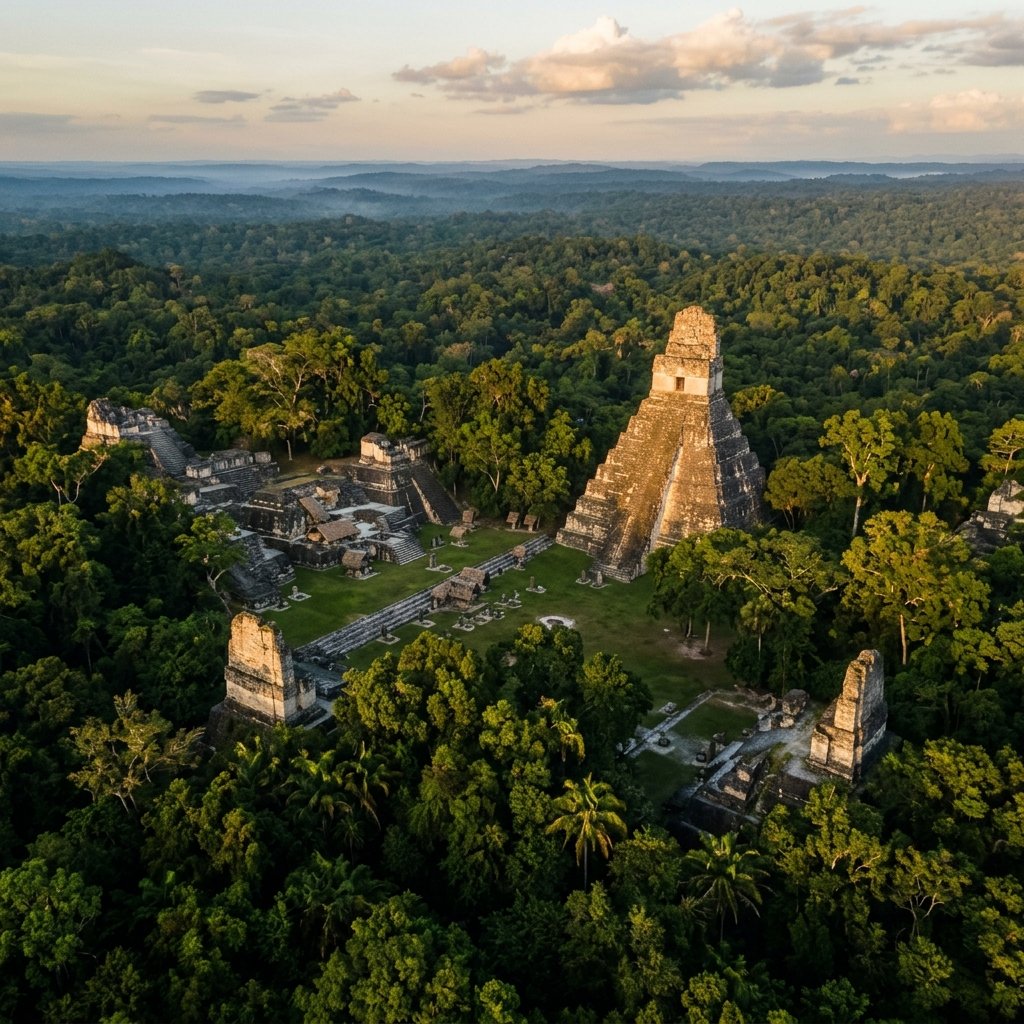
Walking Through History
"These were not mere ceremonial centers. They were cities — complex, populated urban landscapes with palaces, markets, reservoirs, observatories, ball courts, libraries of carved stone, and populations rivaling medieval London. When the last European was still living in a thatched hut, the Maya were building astronomical observatories aligned to Venus within a degree of arc."
Must-Visit Maya Sites
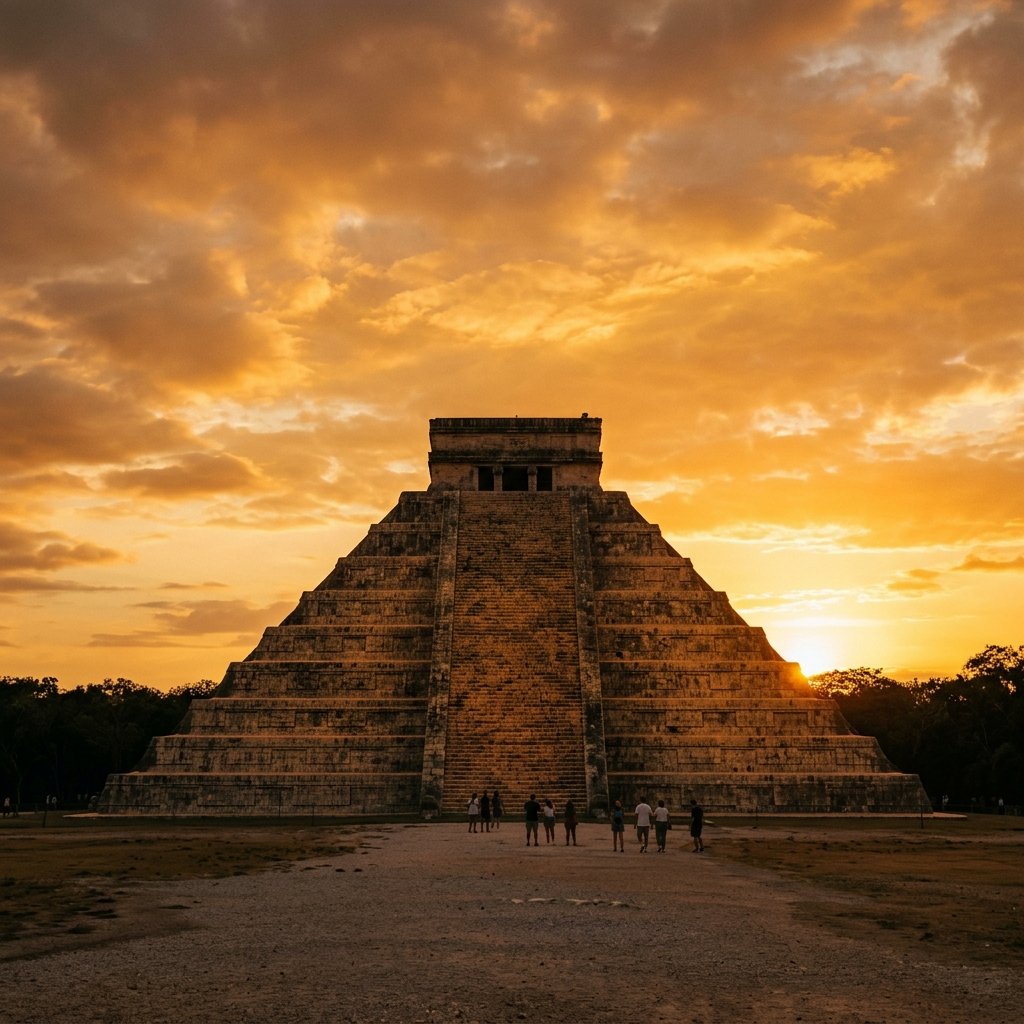
Chichén Itzá
Yucatán, Mexico
New 7 Wonders of the World
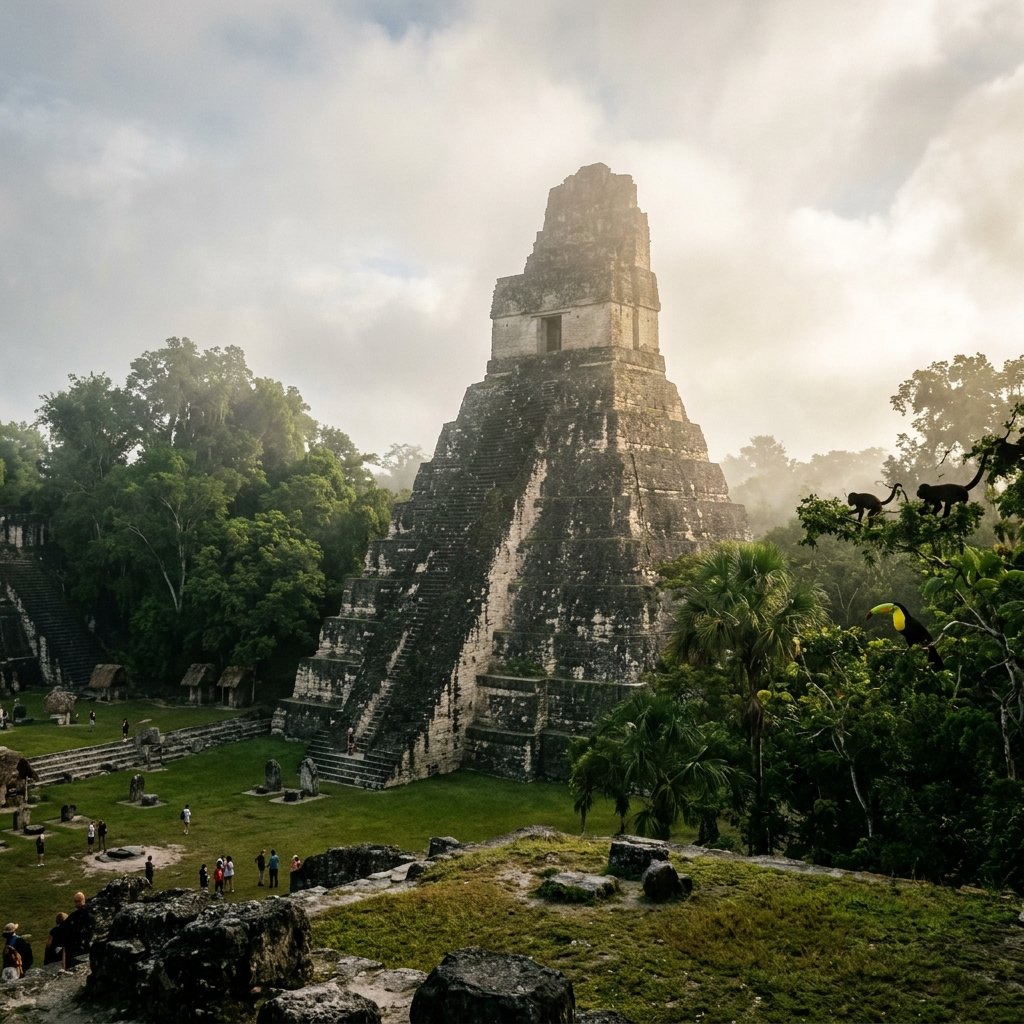
Tikal
Petén, Guatemala
Greatest Classic Maya city
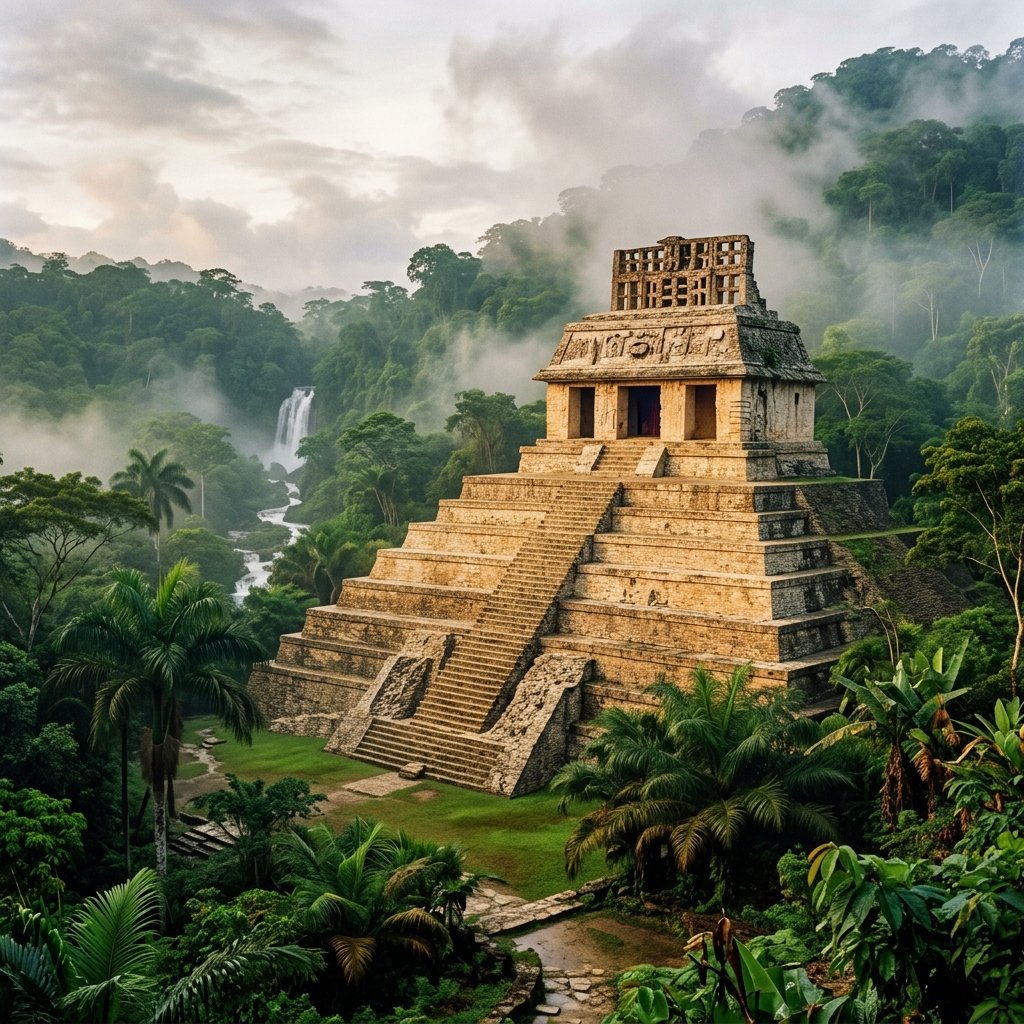
Palenque
Chiapas, Mexico
Tomb of K'inich Janaab Pakal
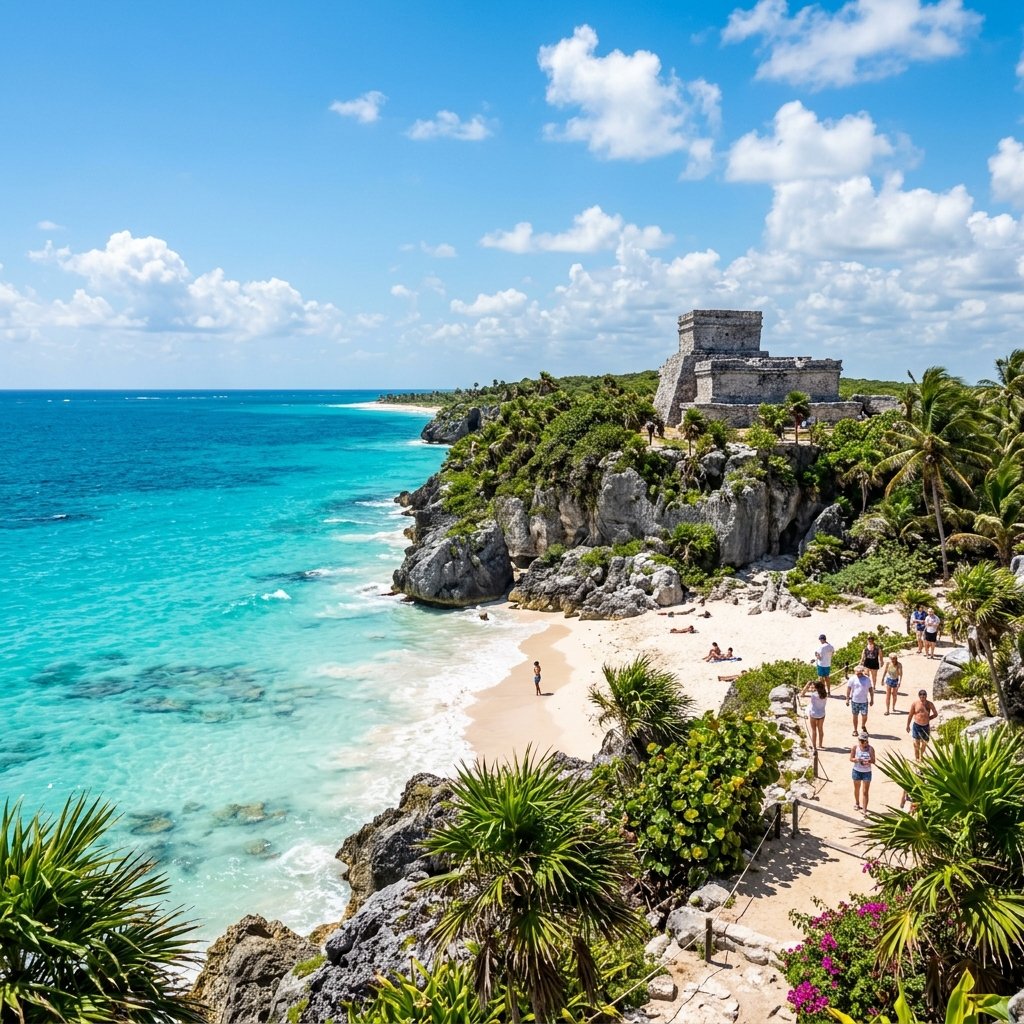
Tulum
Quintana Roo, Mexico
Clifftop fortress above the Caribbean
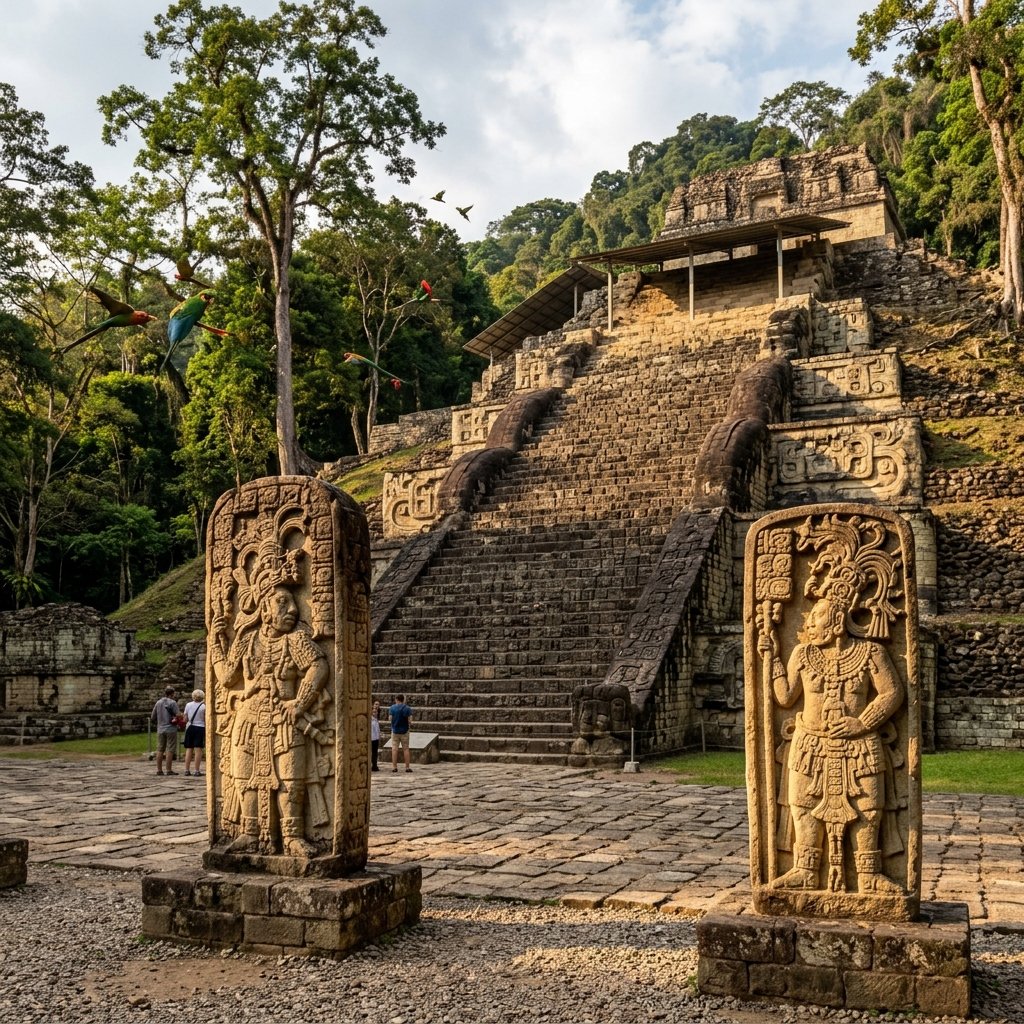
Copán
Honduras
The "Athens of the Maya World"
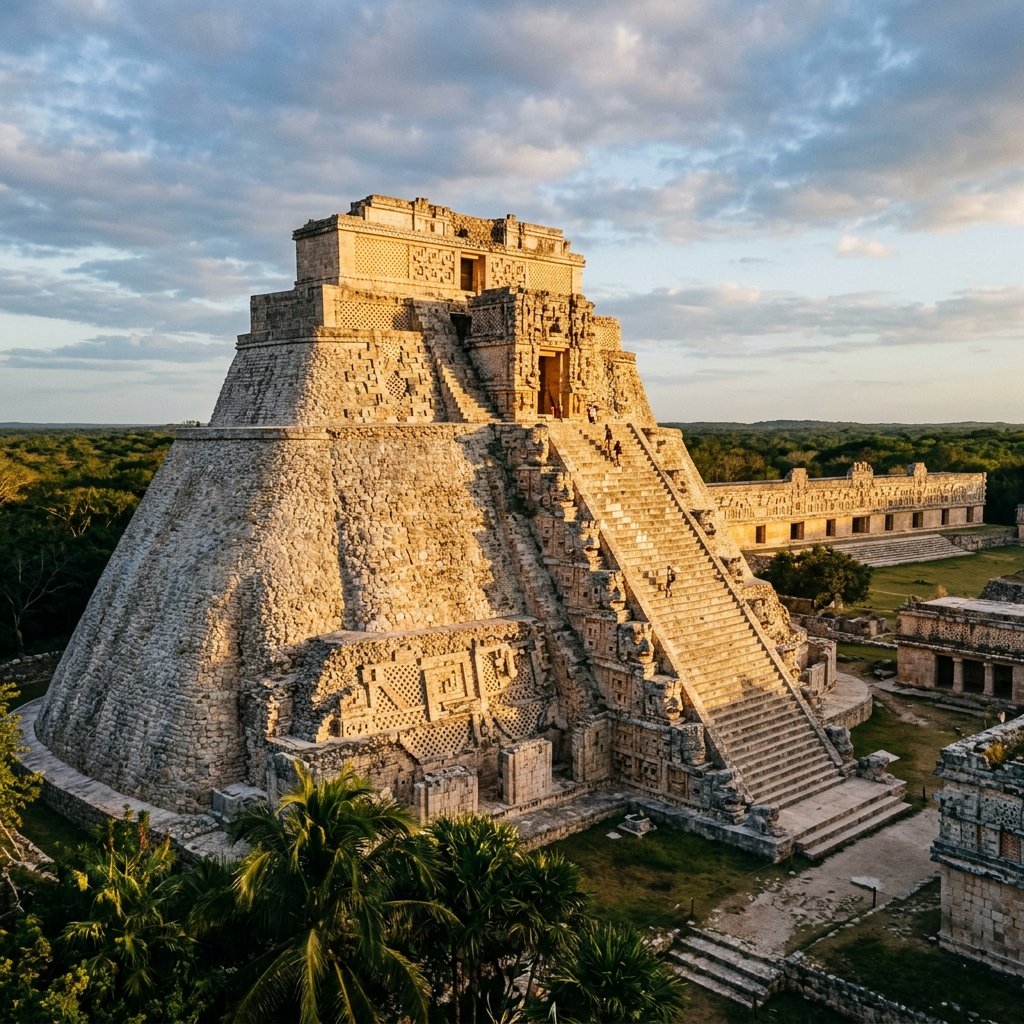
Uxmal
Yucatán, Mexico
Puuc-style architectural masterpiece
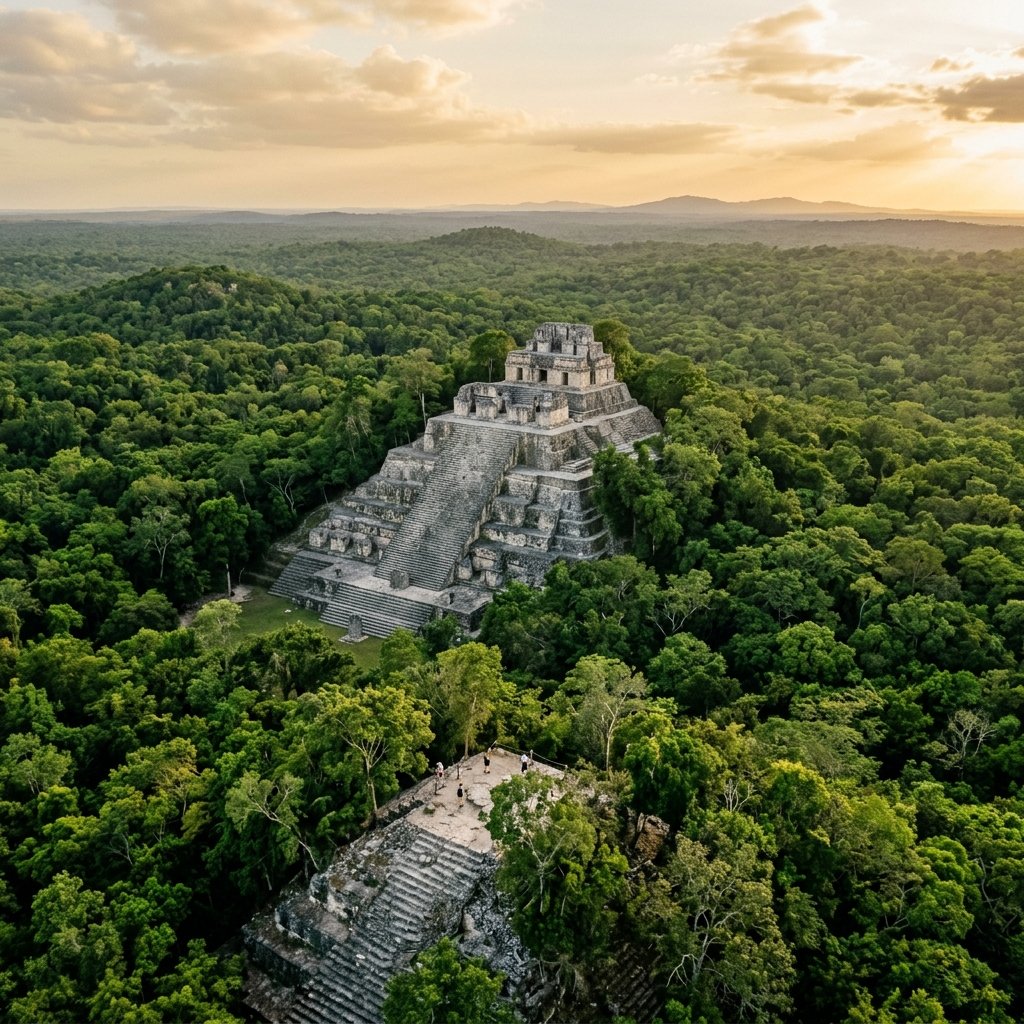
Calakmul
Campeche, Mexico
Tikal's great rival deep in the jungle
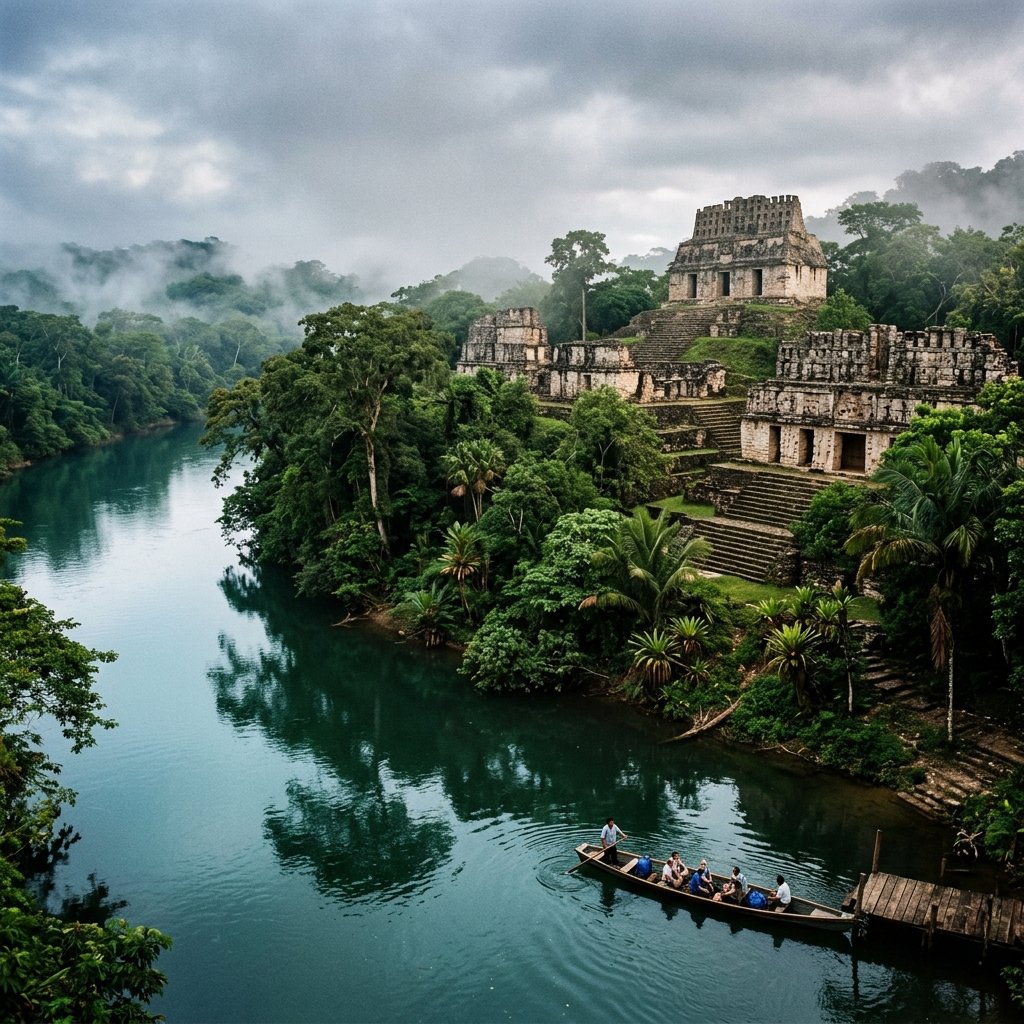
Yaxchilán
Chiapas, Mexico
Riverside city with stunning lintels
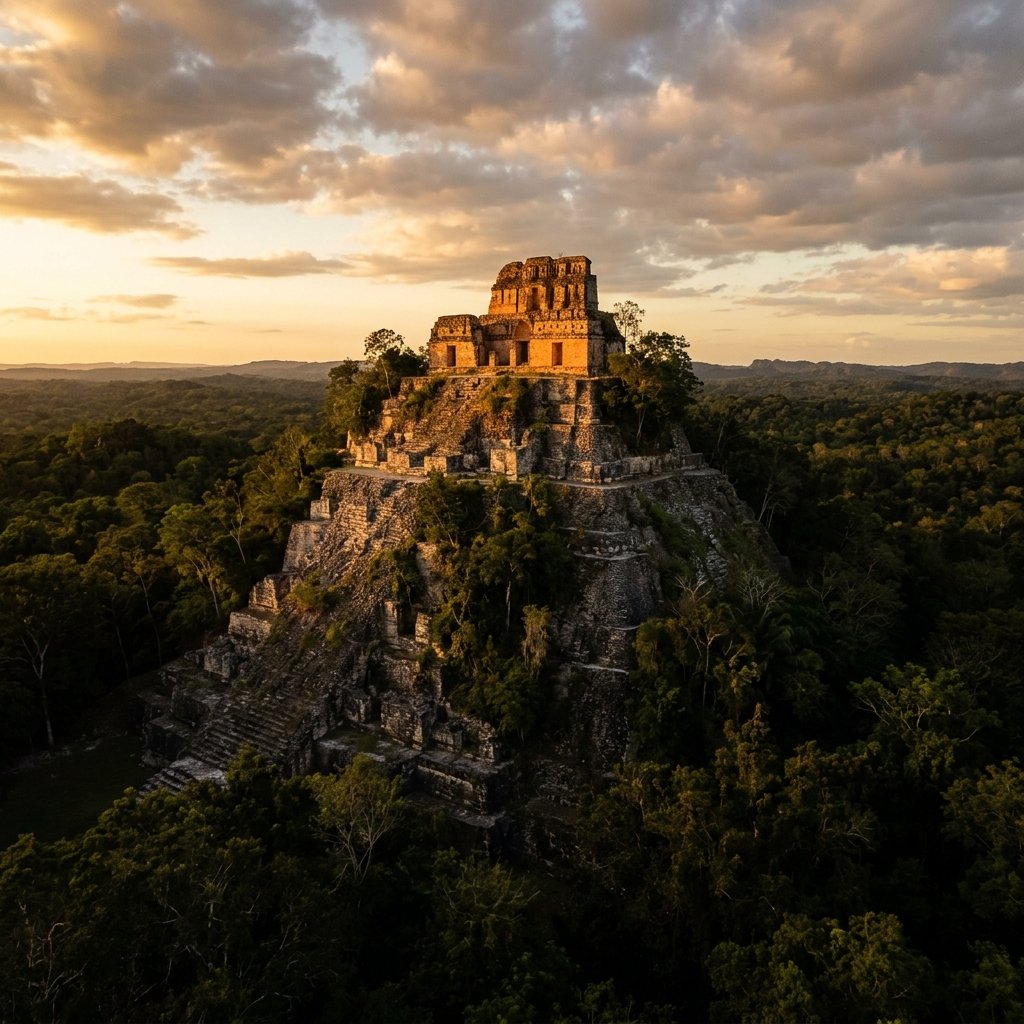
El Mirador
Petén, Guatemala
The Preclassic cradle of civilization
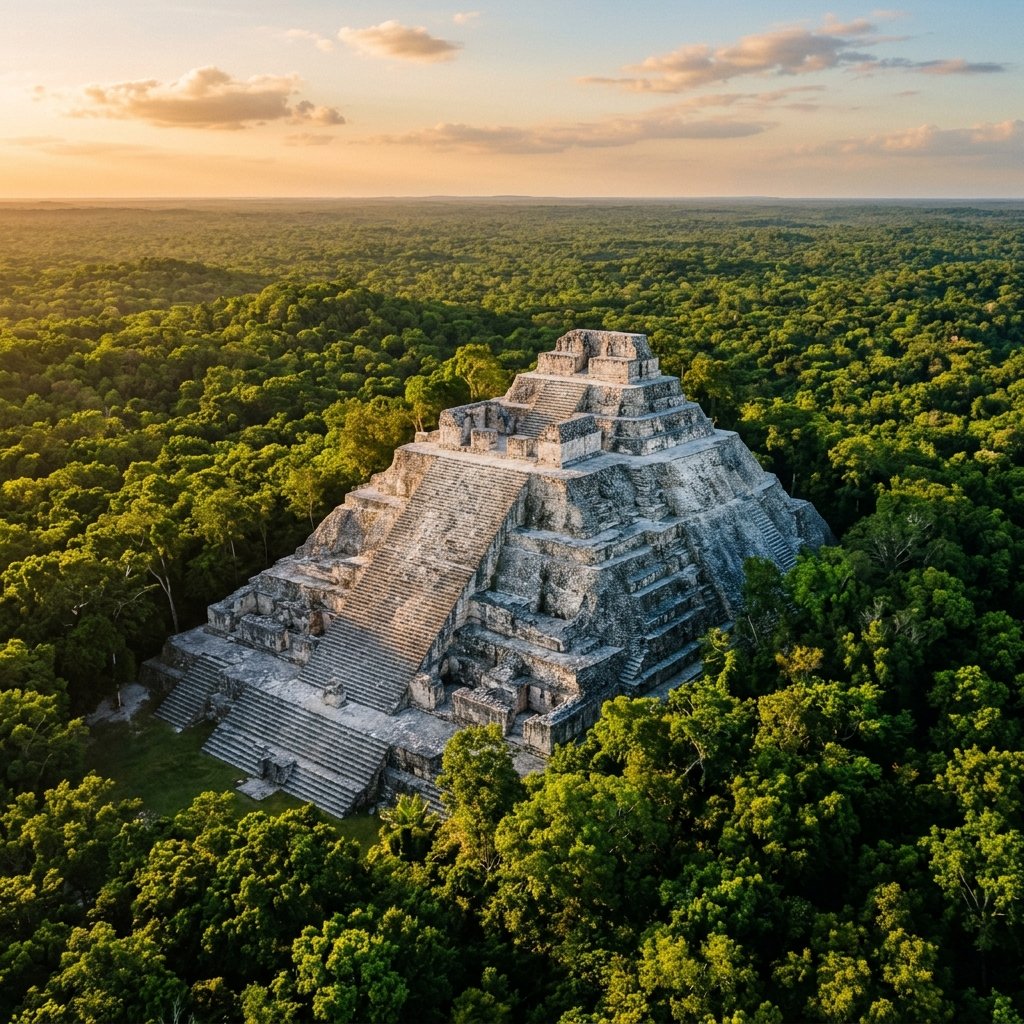
Caracol
Cayo, Belize
The forest megacity that defeated Tikal
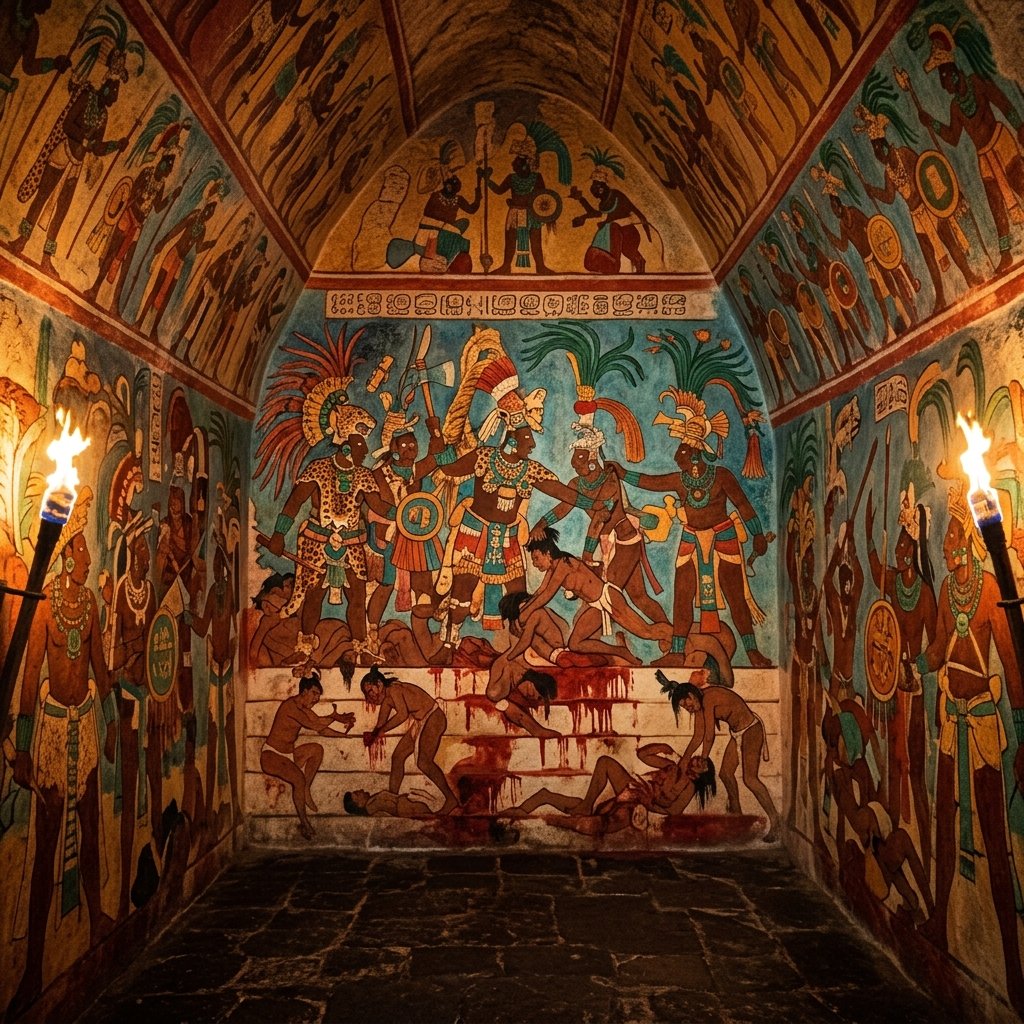
Bonampak
Chiapas, Mexico
The Pre-Columbian Sistine Chapel
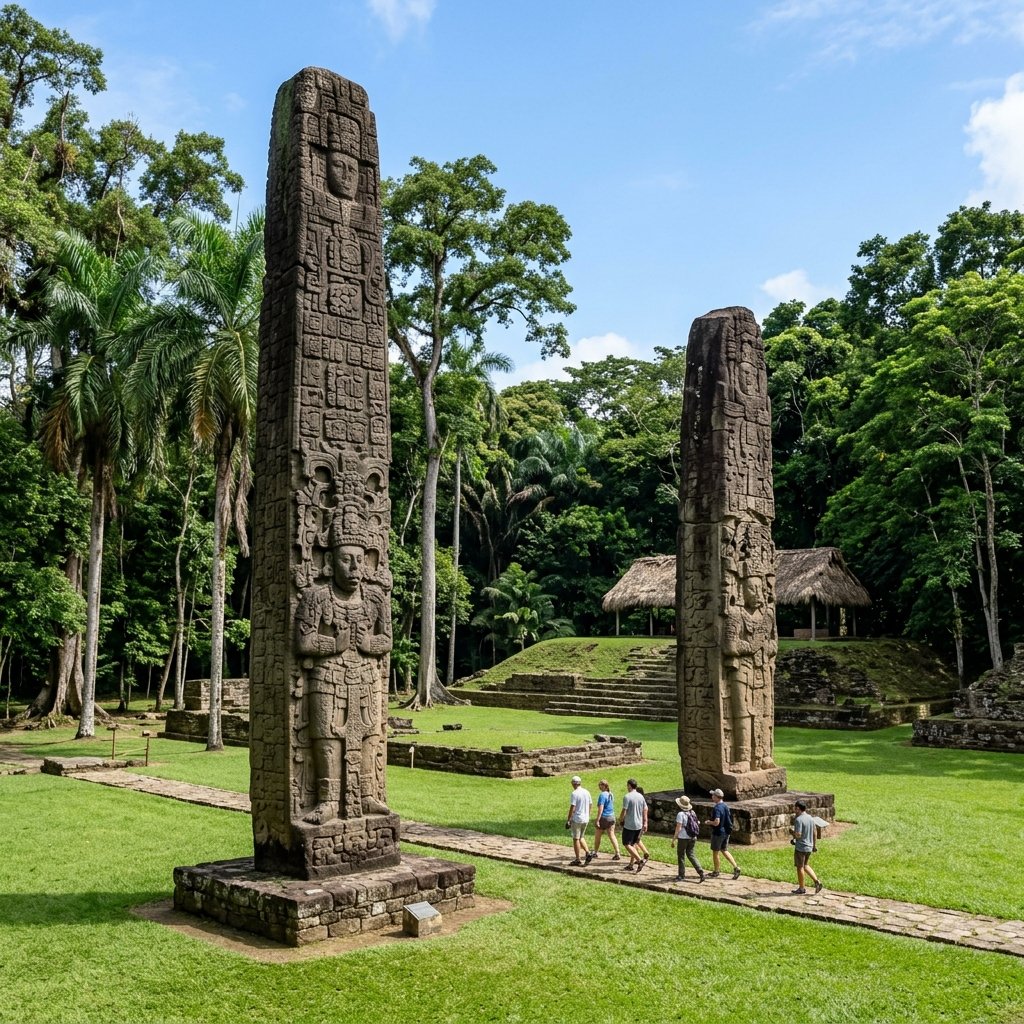
Quiriguá
Izabal, Guatemala
The giants of stone & Copán rebellion
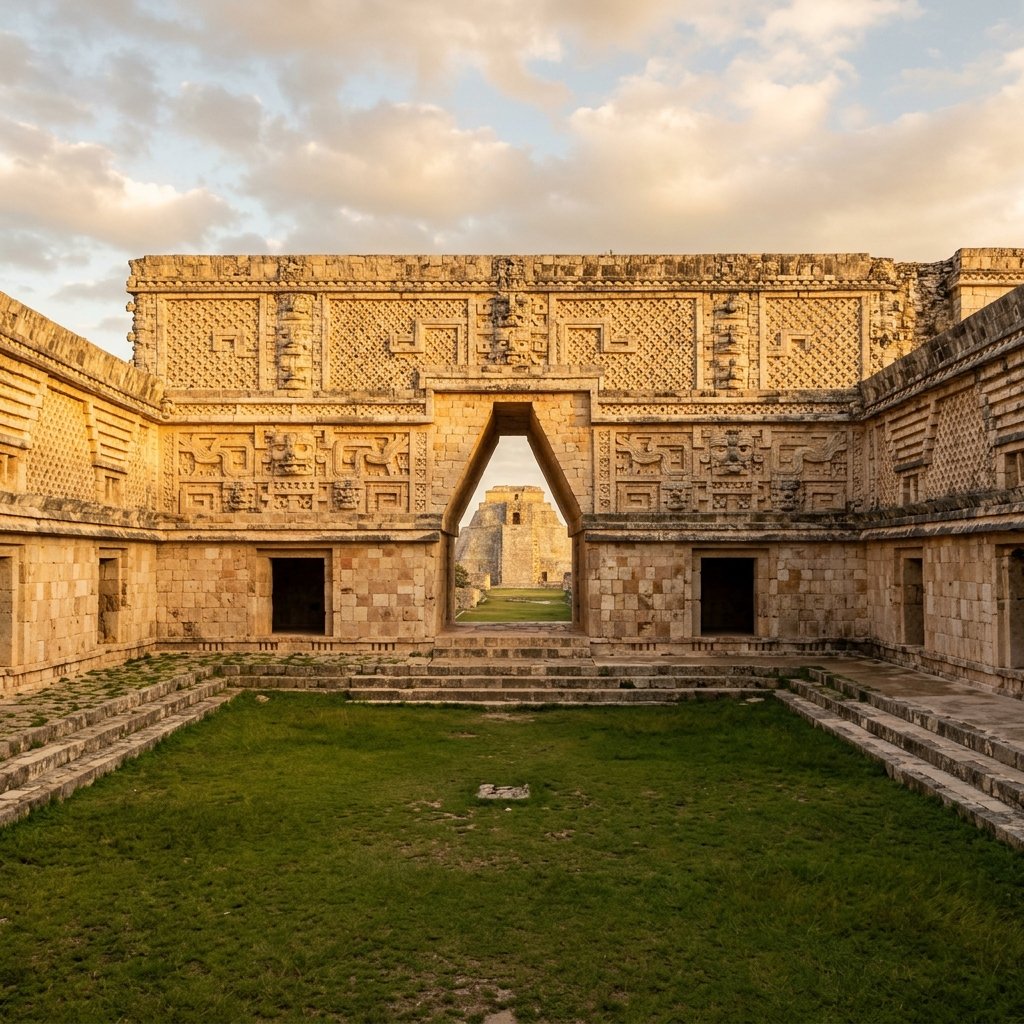
Ruta Puuc
Yucatán, Mexico
Masterpieces of Maya stone mosaics
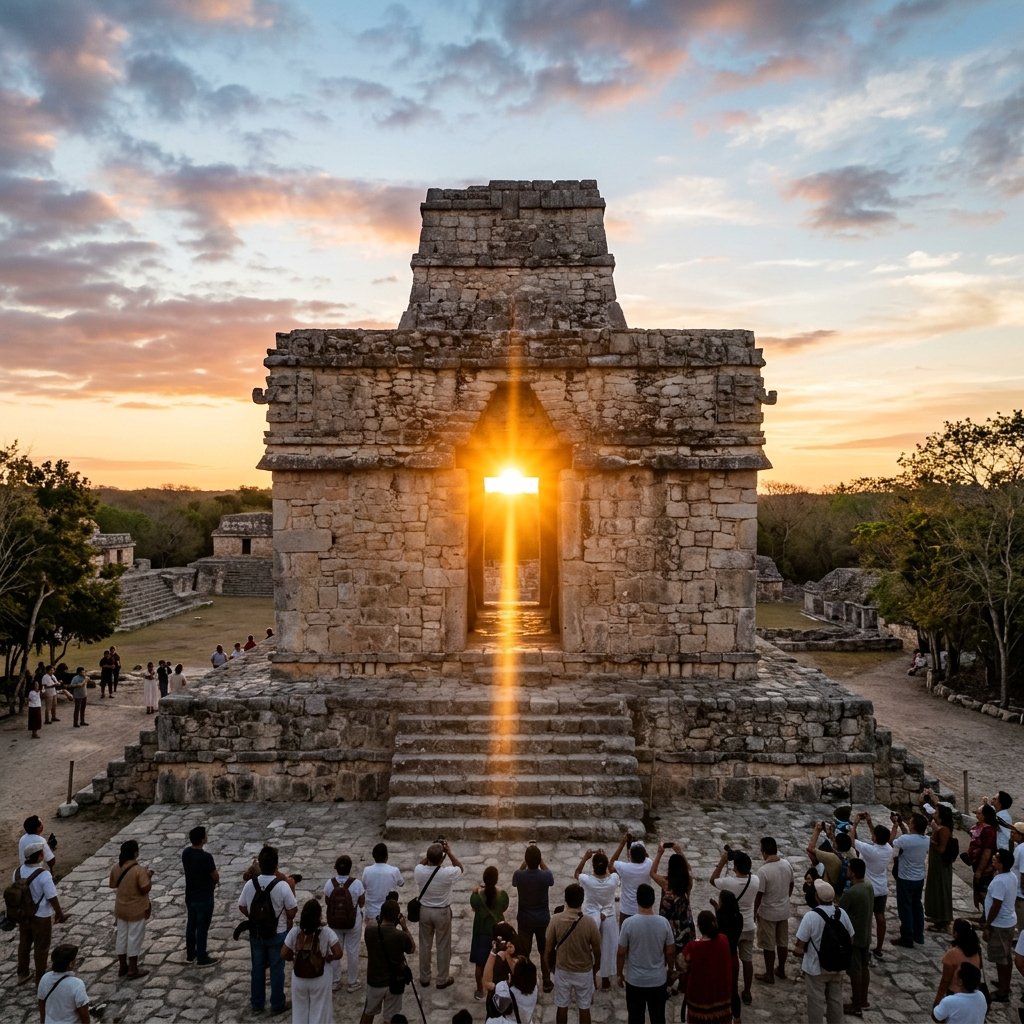
Dzibilchaltún
Yucatán, Mexico
The longest survived Maya city
The Maya Region
The Maya homeland spans five modern countries: Mexico (Yucatán Peninsula, Chiapas, Tabasco, Campeche, Quintana Roo), Guatemala, Belize, Honduras, and El Salvador. Over 4,400 archaeological sites have been identified across this region — and scholars estimate that thousands more remain buried beneath the jungle canopy, detectable only through LiDAR aerial scanning. At its peak during the Late Classic period (600–900 AD), this region supported an estimated 10–15 million people in sophisticated urban centers connected by trade routes, raised stone roadways (sacbeob), alliances, and rivalries that lasted for over two millenia.
Choosing Your Site
| Site | Best For | Difficulty | Time Needed |
|---|---|---|---|
| Chichén Itzá | First-time visitors, iconic photography | Easy | 3–4 hours |
| Tikal | Jungle atmosphere, wildlife, temple climbing | Moderate | Full day |
| Palenque | Architecture, sculpture, Pakal's tomb | Moderate | 4–5 hours |
| Tulum | Beach + ruins combination, photography | Easy | 2–3 hours |
| Copán | Sculpture, epigraphy, Hieroglyphic Stairway | Easy | 4–5 hours |
| Uxmal | Puuc architecture, geometric facades, fewer crowds | Easy | 3–4 hours |
| Calakmul | Off-the-beaten-path adventure, wildlife | Challenging | Full day |
| Yaxchilán | River journey, carved lintels, remote jungle | Challenging | Full day |
Planning Your Visit
Best Time to Visit
November–April offers dry weather and comfortable temperatures across the Maya region. Visit ruins at sunrise for the most magical light and smallest crowds. The equinox events at Chichén Itzá (March 20, September 22) draw massive crowds but are unforgettable.
How Long to Allow
Major sites like Chichén Itzá or Tikal need at least 3–4 hours. Remote sites like Calakmul or Yaxchilán require a full day due to travel time. Most serious visitors spend 2–3 days exploring a single major site and its surrounding area.
What to Bring
Comfortable walking shoes (stone surfaces are uneven), sun protection, at least 2 liters of water, insect repellent, and a camera. Most sites have no shade for extended periods. A wide-angle lens captures the scale of Maya architecture best.
Frequently Asked Questions
What is the best Mayan ruin to visit?
It depends on your priorities. Chichén Itzá is the most iconic and accessible — a must-see for first-time visitors. Tikal offers the most dramatic jungle setting, with howler monkeys and toucans in the canopy above. Palenque has the finest architecture and sculptural art. Tulum provides the most stunning natural setting on Caribbean cliffs. For the adventurous, Calakmul — Tikal's great rival, deep in a biosphere reserve — offers an experience that feels genuinely like discovery.
Are Mayan ruins safe to visit?
Yes. Major Maya archaeological sites are well-maintained, professionally staffed, and visited by millions of tourists every year. Standard tropical travel precautions apply: stay hydrated, wear sun protection, and watch your step on ancient stone stairs (which can be steep and worn smooth). Travel insurance that covers medical evacuation is recommended for remote sites.
Can you still climb the pyramids?
Most major pyramids are closed to climbing for preservation — including El Castillo at Chichén Itzá (closed since 2006). However, several sites still allow climbing: Cobá in Mexico (Nohoch Mul, 42m — one of the tallest climbable pyramids), several temples at Tikal in Guatemala, and Calakmul's Structure II. The experience of climbing a Maya pyramid and seeing the jungle stretching to the horizon is one of the most powerful moments available in archaeological tourism.