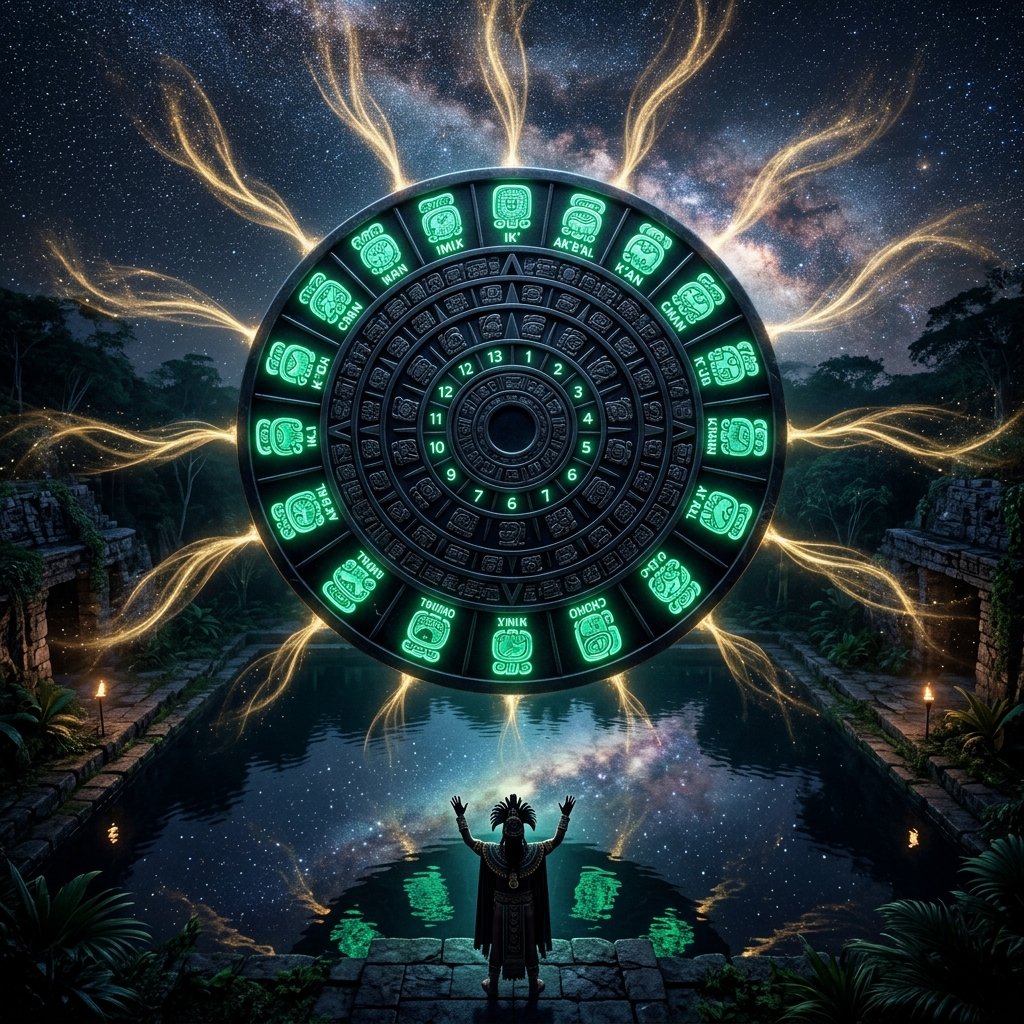
The Tzolk'in at a Glance
"The Tzolk'in is not an artifact. It is a living institution — a calendar that has never stopped counting, maintained by tens of thousands of specialists in an unbroken chain spanning the Preclassic era to the present day. To call it 'astrology' is, in a sense, both too modest and too grand: too modest because the system is also medicine, law, agriculture, and theology; too grand because it makes no claims about distant stars. It claims something far more intimate — that the day you were born carries a specific energy, and that energy shapes who you are."
What Is Mayan Astrology?
Mayan astrology — more accurately called Tzolk'in divination or day-sign reading — is a system of personality analysis and spiritual guidance based on the sacred 260-day calendar of the ancient Maya. Unlike Western astrology (which tracks the sun's position among constellations) or Chinese astrology (which assigns identity by birth year), the Maya system assigns your cosmic identity based on the specific day you were born within a continuously repeating 260-day cycle.
The system has been in uninterrupted use for over 2,500 years. Today, an estimated 40,000 trained daykeepers (aj q'ij in K'iche' Maya) continue to consult the Tzolk'in in Guatemala's highlands — making this the oldest continuously practiced calendrical divination tradition on Earth. When you calculate your day sign using our calculator, you are accessing a count that has never been reset, never been lost, and never been interrupted — a chain of days stretching back to the Preclassic era (Tedlock, B., Time and the Highland Maya, University of New Mexico Press, 1992, pp. 1–18).
Find Your Mayan Day Sign
Your Maya day sign reveals your core personality, natural gifts, challenges, and cosmic purpose. It's the foundation of your identity in the Tzolk'in system — similar to a Sun sign in Western astrology, but calculated entirely differently and rooted in an unbroken tradition rather than reconstructed mythology.
The Mathematics of the Tzolk'in: Why 260?
The 260-day cycle is not arbitrary. Scholars have identified at least four independent lines of evidence for why the ancient Maya settled on this specific number — and each line of evidence reveals something profound about the civilization that created it.
The Human Body
The most widely accepted origin theory comes from the Maya themselves. As documented by the anthropologist Barbara Tedlock during her training as a K'iche' Maya daykeeper in Momostenango, Guatemala, the number 260 derives from the human body: 13 major joints (ankles, knees, hips, wrists, elbows, shoulders, and neck) multiplied by 20 digits (fingers and toes). The calendar was literally embodied — each person carried its structure in their own anatomy. Daykeepers diagnose illness by reading sensations of "blood lightning" (koyopa) in specific joints, which they correlate to positions in the 260-day count (Tedlock, B., Time and the Highland Maya, 1992, pp. 135–172).
Human Gestation
The 260-day cycle closely mirrors the average human gestation period — the time from first missed menstrual period to birth (approximately 266 days). This is not a modern observation; Tedlock documented that K'iche' Maya midwives have used the Tzolk'in to track pregnancy for centuries, and the correlation between the sacred calendar and the birthing cycle is considered fundamental to the calendar's meaning. The Maya understood the Tzolk'in not merely as an abstract system of timekeeping but as a map of human creation itself — a calendar written in the body of every mother and every child (Tedlock, B., 1992, pp. 173–196).
Astronomical Cycles
The archaeoastronomer Anthony Aveni demonstrated that 260 days corresponds to the interval between zenith passages of the sun at the latitude of Izapa and Copán (approximately 14.8°N) — key sites in the early development of the calendar. At this latitude, the sun passes directly overhead twice during the year, 260 days apart on one side and 105 days apart on the other. Aveni argues this astronomical observation provided the empirical foundation for the cycle's length (Aveni, A., Skywatchers of Ancient Mexico, University of Texas Press, 2001, pp. 149–163).
Additionally, 260 is the lowest common multiple of 13 and 20 — two numbers of deep significance. The number 20 was the base of the Maya numerical system (vigesimal), derived from the total count of human fingers and toes. The number 13 corresponded to the levels of the heavens in Maya cosmology and to the number of major joints in the body. When these two sacred numbers interlock, they produce a 260-day cycle in which no combination of tone and sign ever repeats until the full cycle completes — creating 260 unique "Day Lords," each with its own character and energy.
Agricultural Cycles
The Maya scholar Michael Coe noted that 260 days approximates the growing season for maize at the altitudes of the Guatemalan highlands — from planting to harvest. Given that maize agriculture was the foundation of Maya civilization (and that the Popol Vuh describes the gods creating humanity from corn itself), the alignment between the sacred calendar and the corn cycle reinforces the Maya understanding that time, biology, agriculture, and divinity were all expressions of the same underlying order (Coe, M., The Maya, Thames & Hudson, 8th ed., 2011, pp. 48–52).
The 20 Day Signs (Nawales)
The 20 day signs — called nawales in K'iche' Maya — are the foundation of Maya astrological identity. Each nawal represents a fundamental archetype: an energy pattern, a personality template, a set of strengths and vulnerabilities. Your day sign is determined by which of these 20 archetypes governed the day of your birth.
The scholar Robert Sharer describes the day signs as "a rotation of supernatural patrons, each presiding over a day in sequence, each carrying its own augury and character" (Sharer, R. & Traxler, L., The Ancient Maya, Stanford University Press, 6th ed., 2006, p. 101). In practice, daykeepers interpret your sign not as a rigid fate but as a predisposition — a set of energies that you are born with and must learn to navigate, develop, and ultimately master.
Click any sign below to read its complete personality profile:
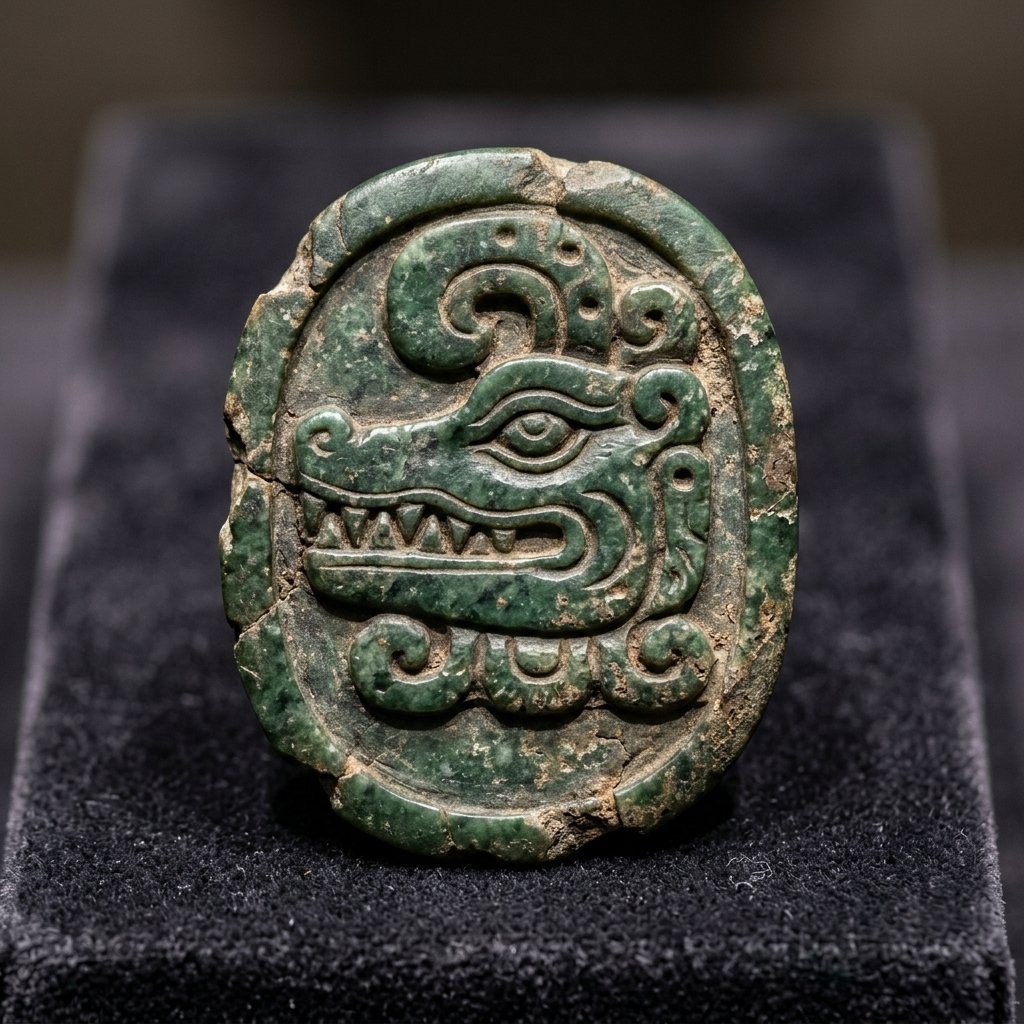 Imix Crocodile
 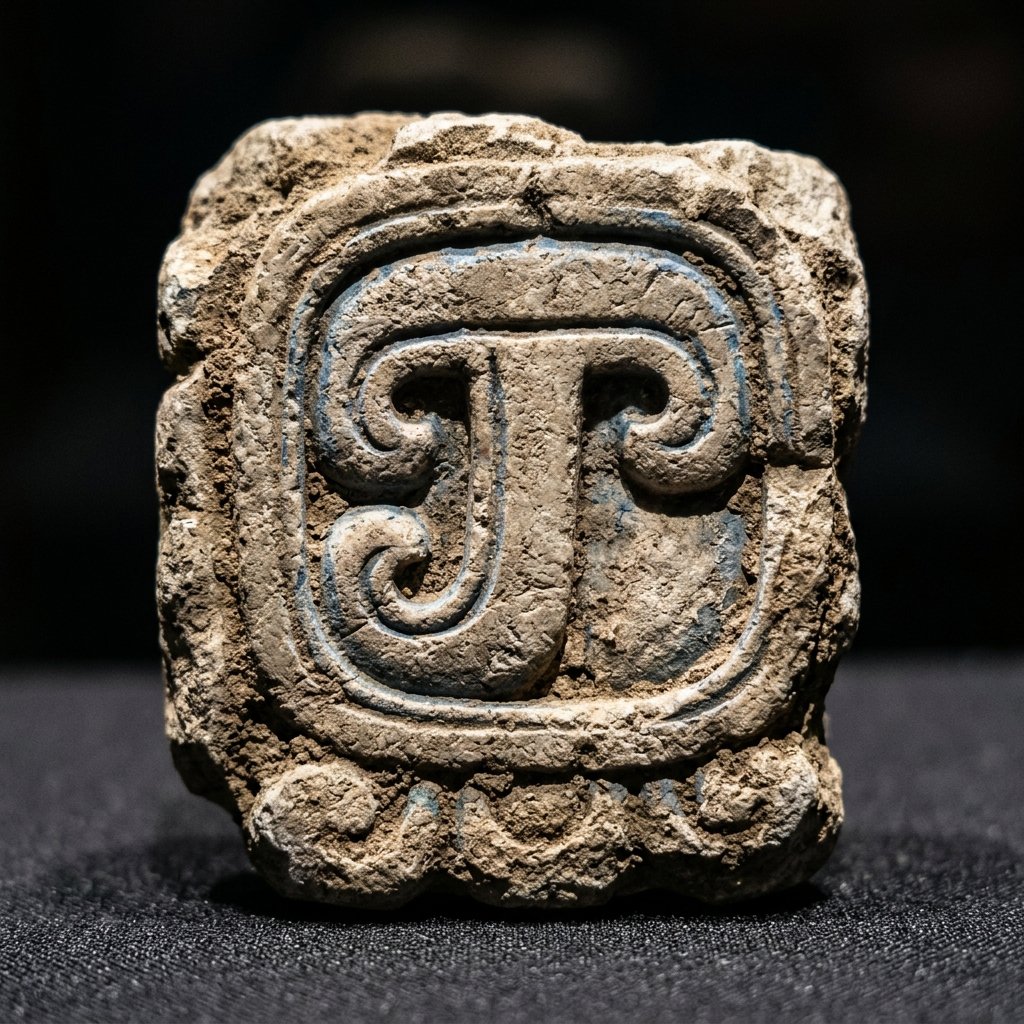 Ik Wind
 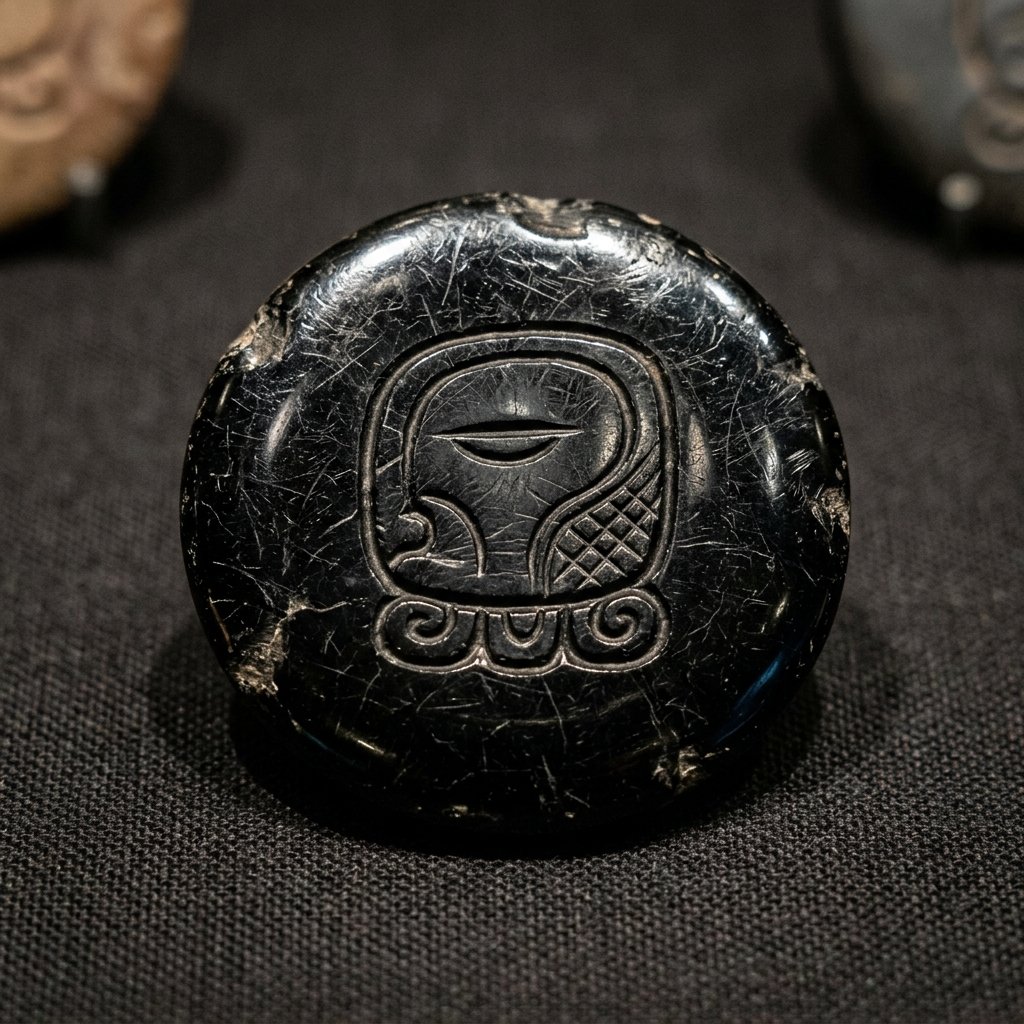 Akbal Night
 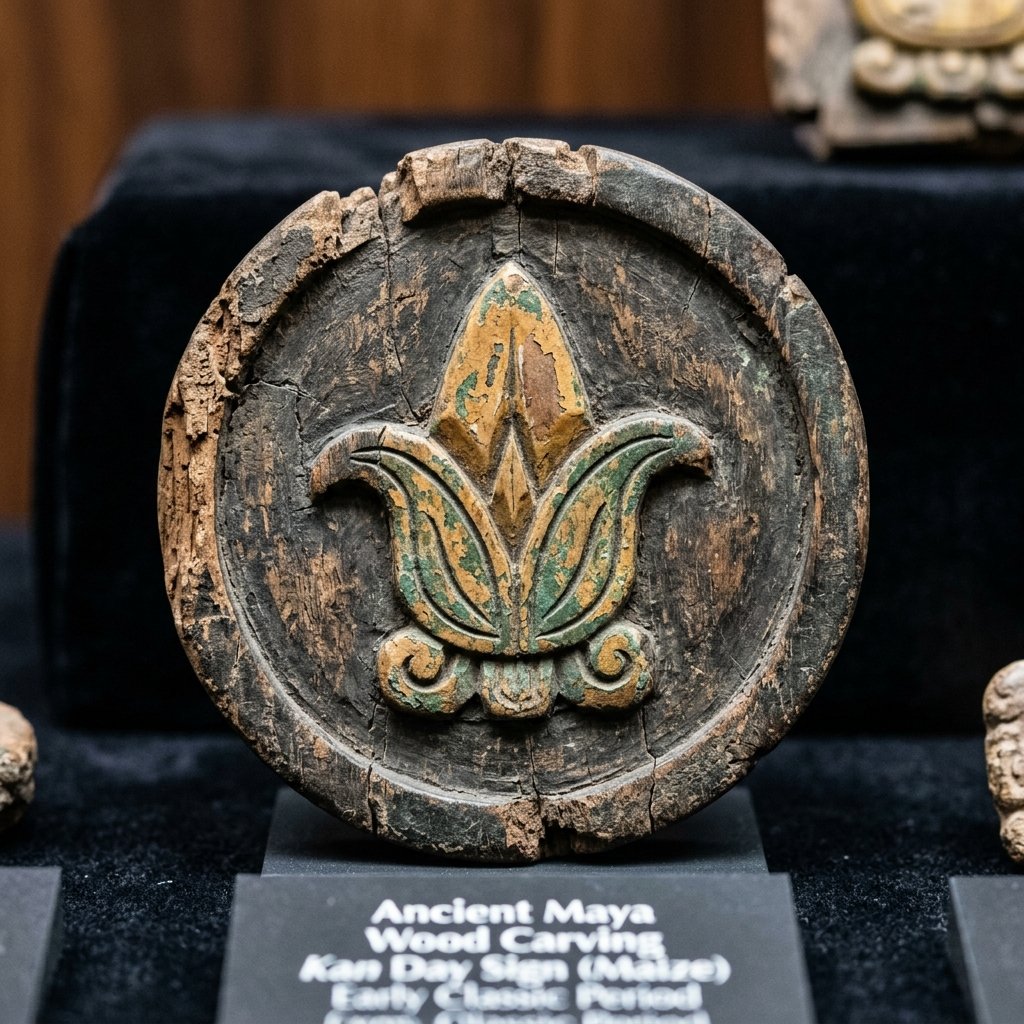 Kan Seed
 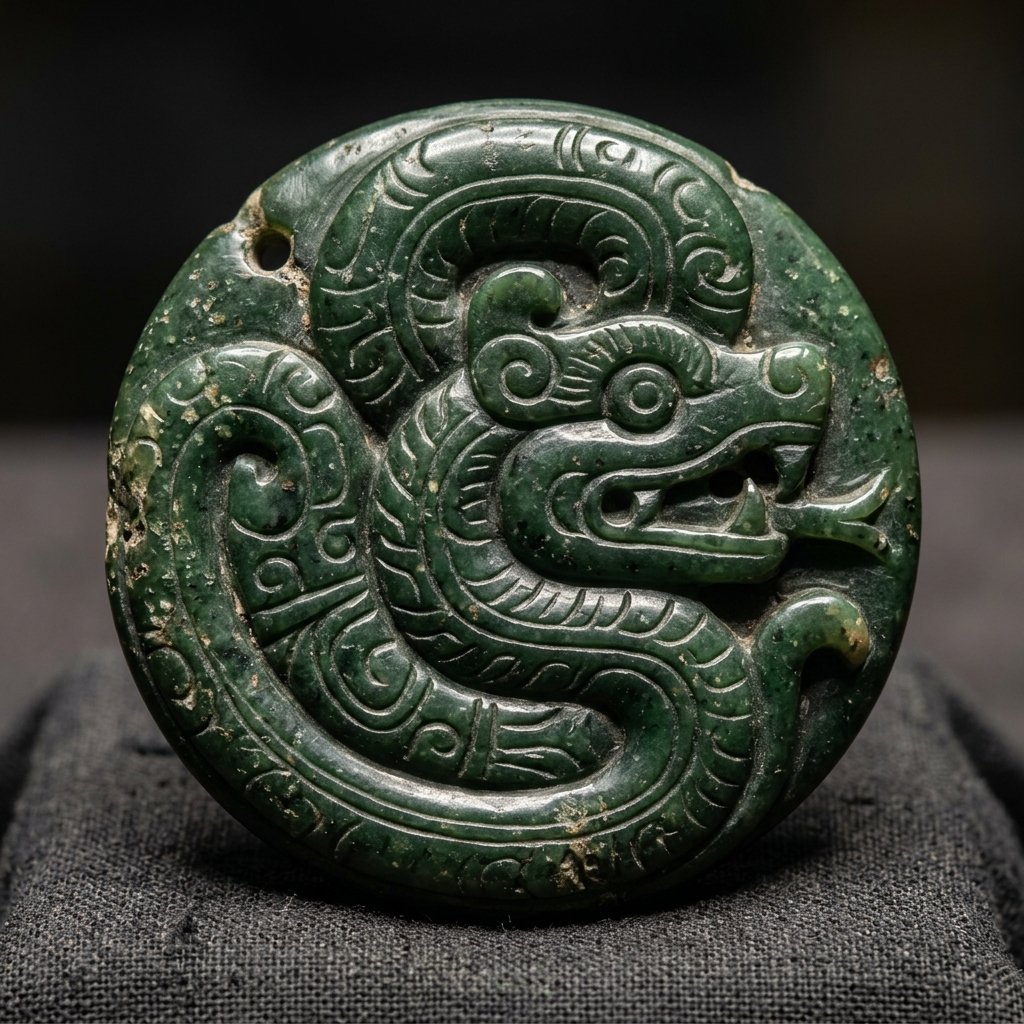 Chicchan Serpent
 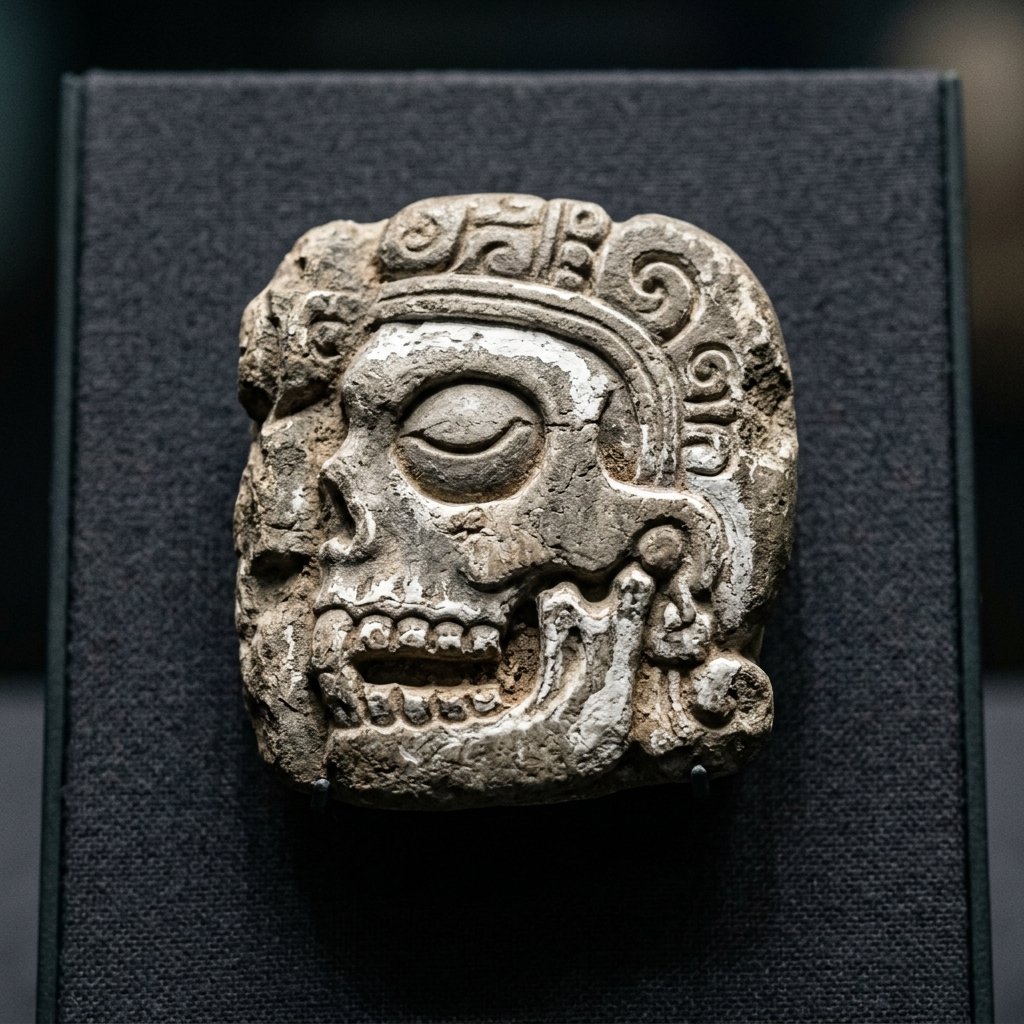 Cimi Transformation
 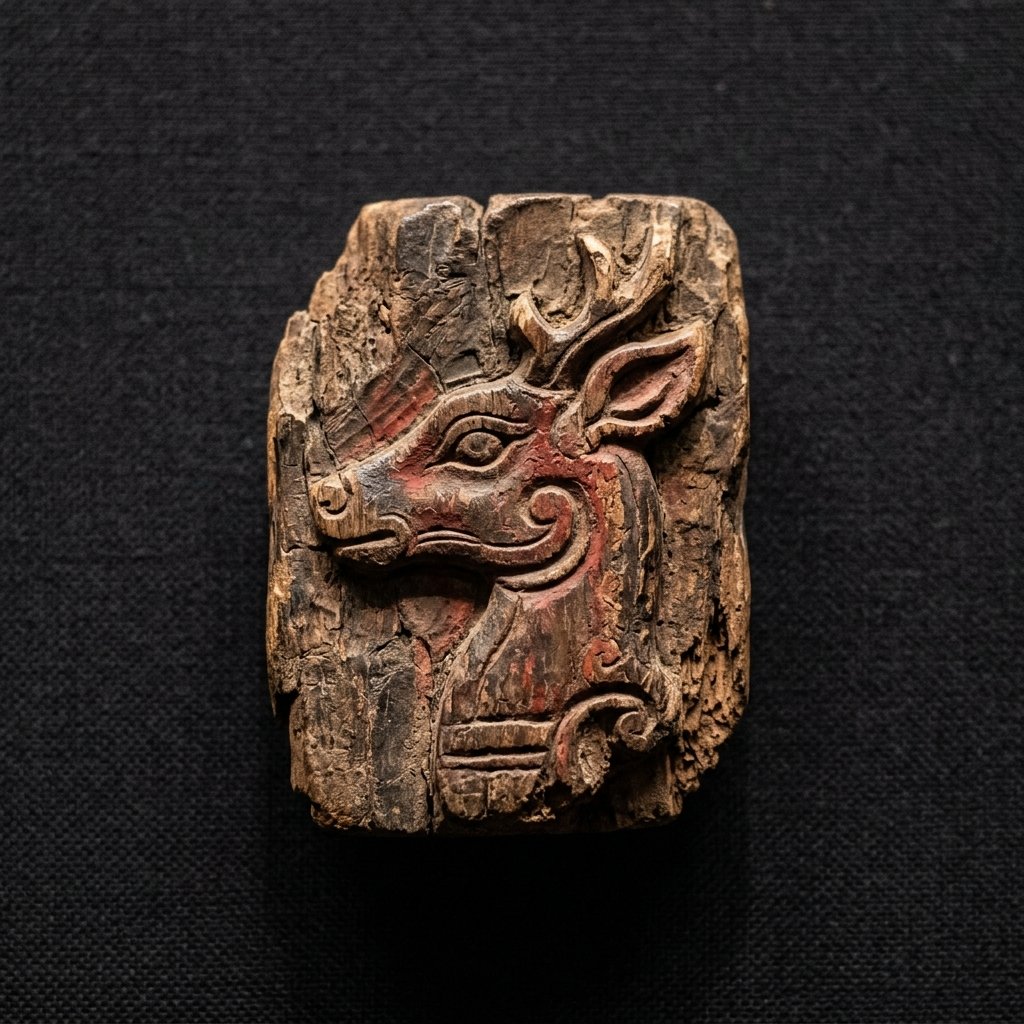 Manik Deer
 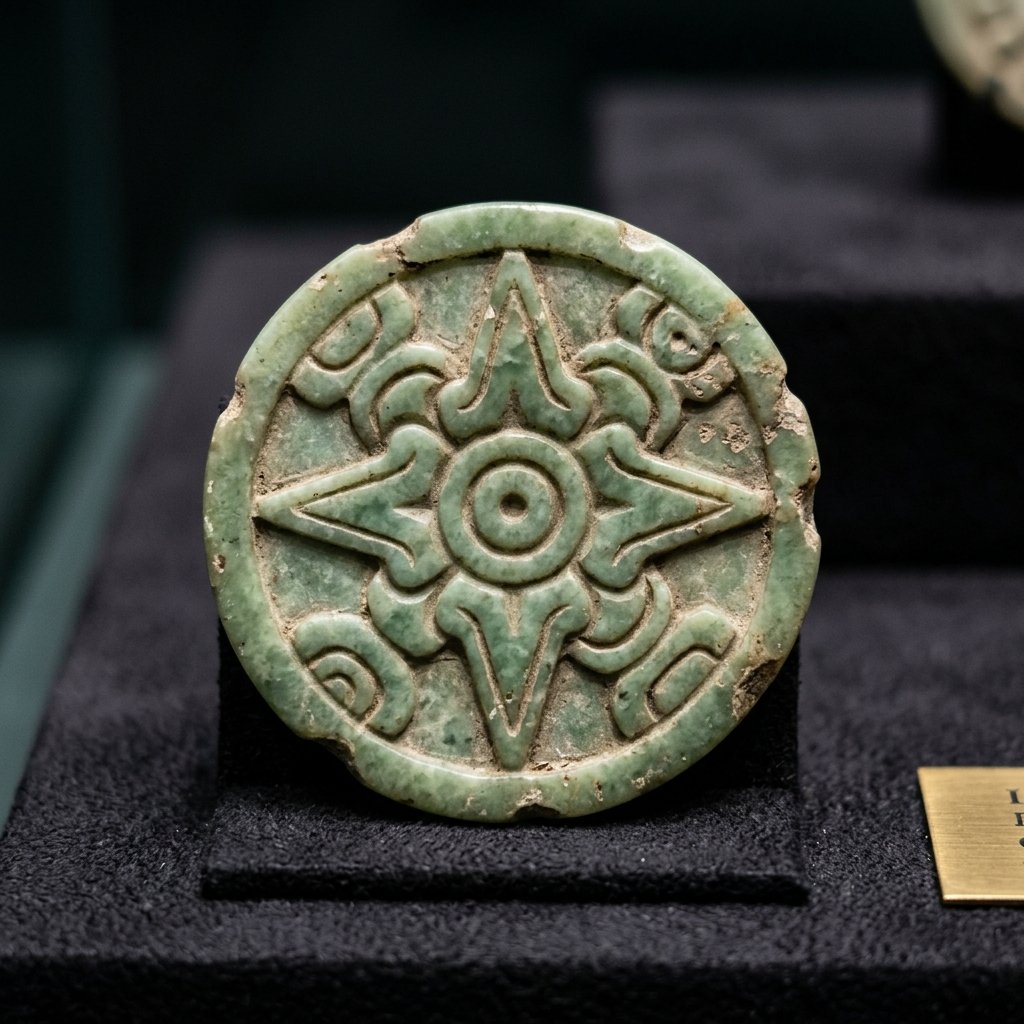 Lamat Star
 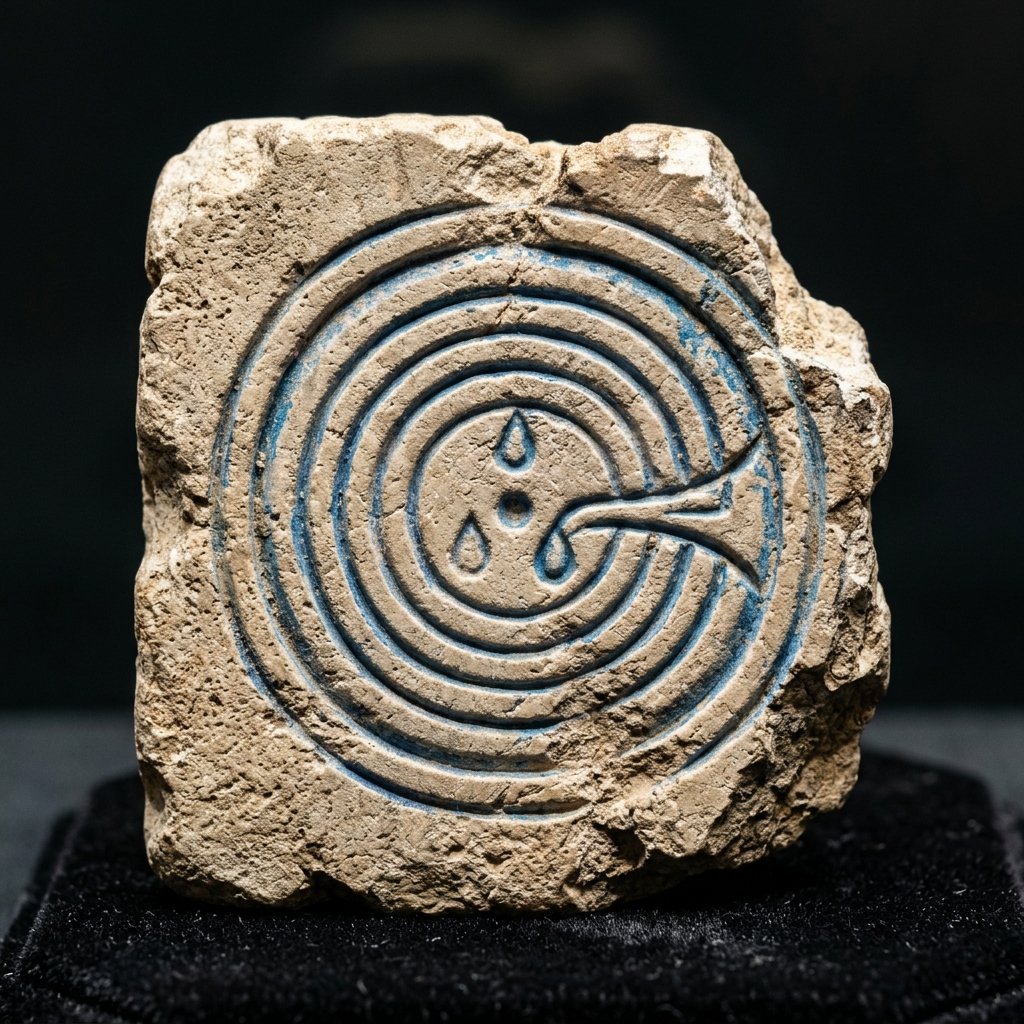 Muluc Water
 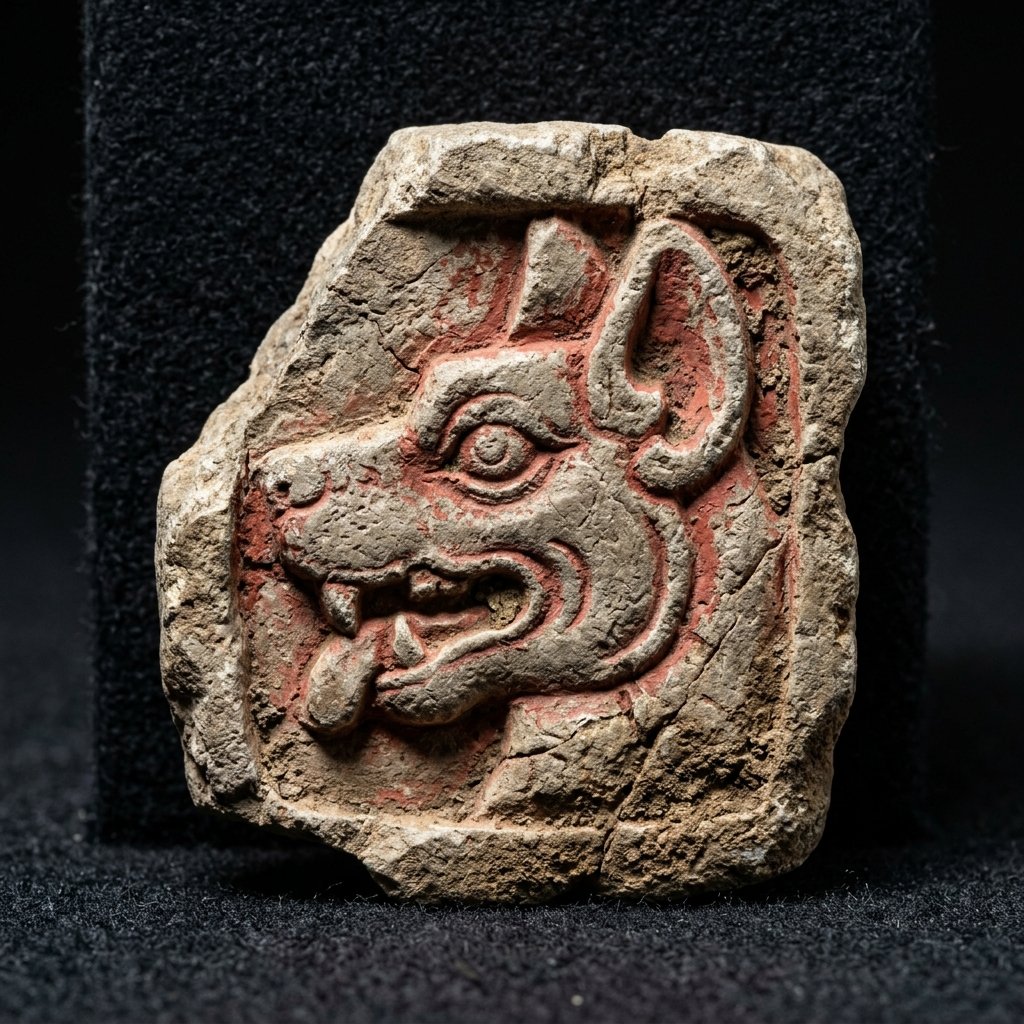 Oc Dog
 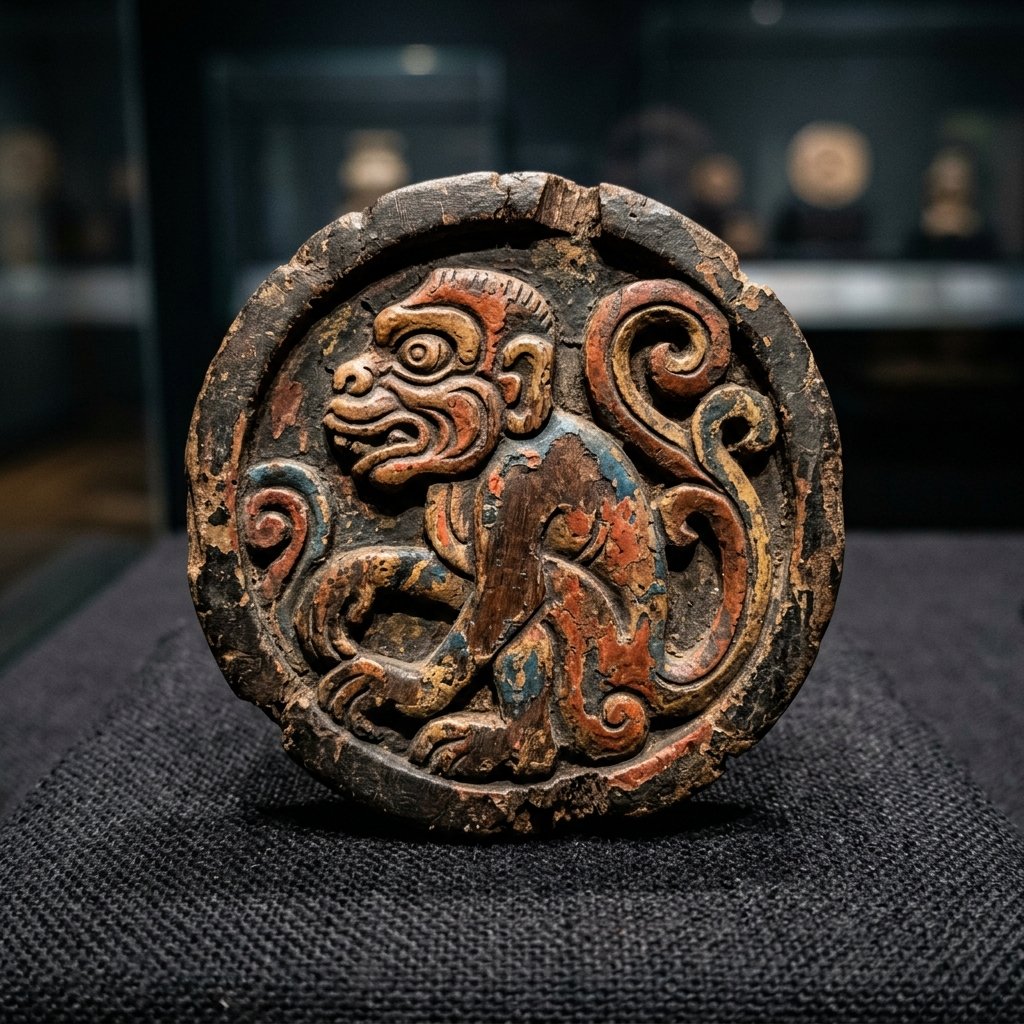 Chuen Monkey
 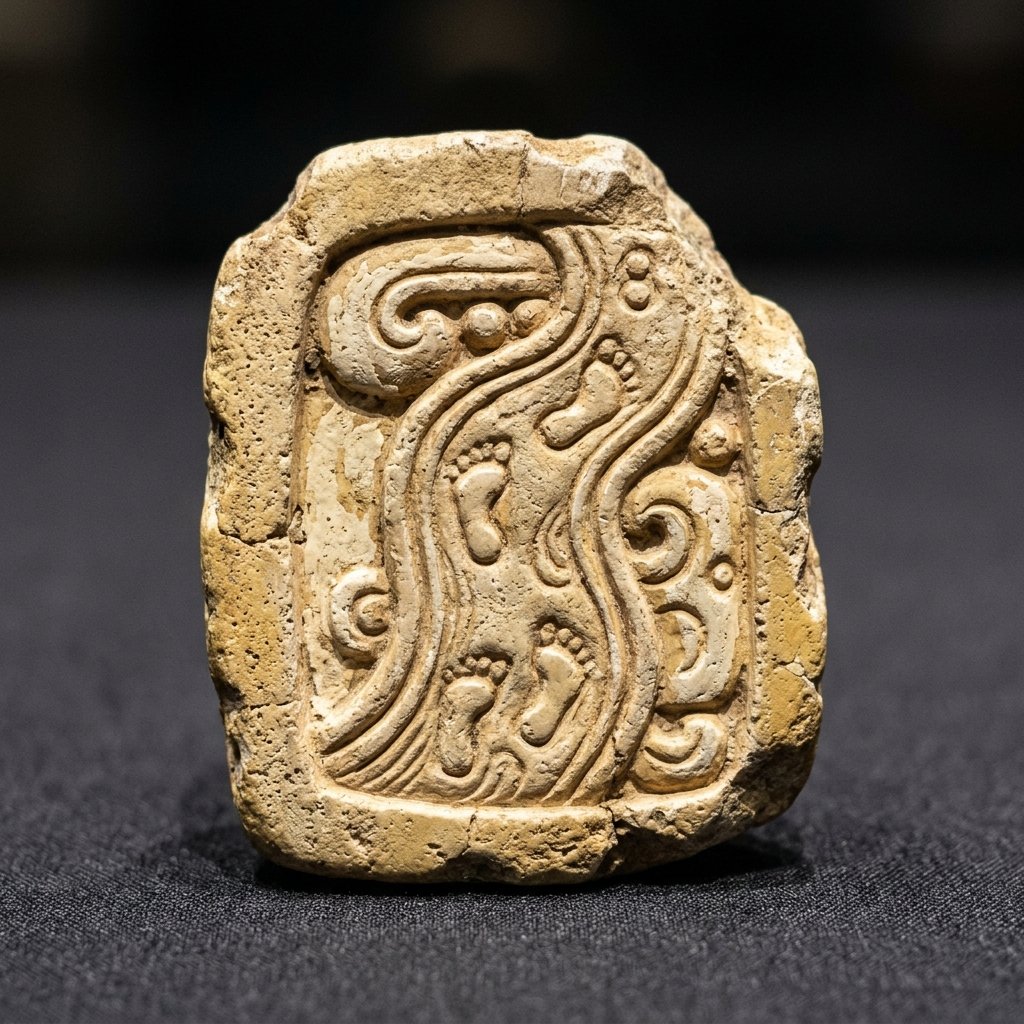 Eb Road
 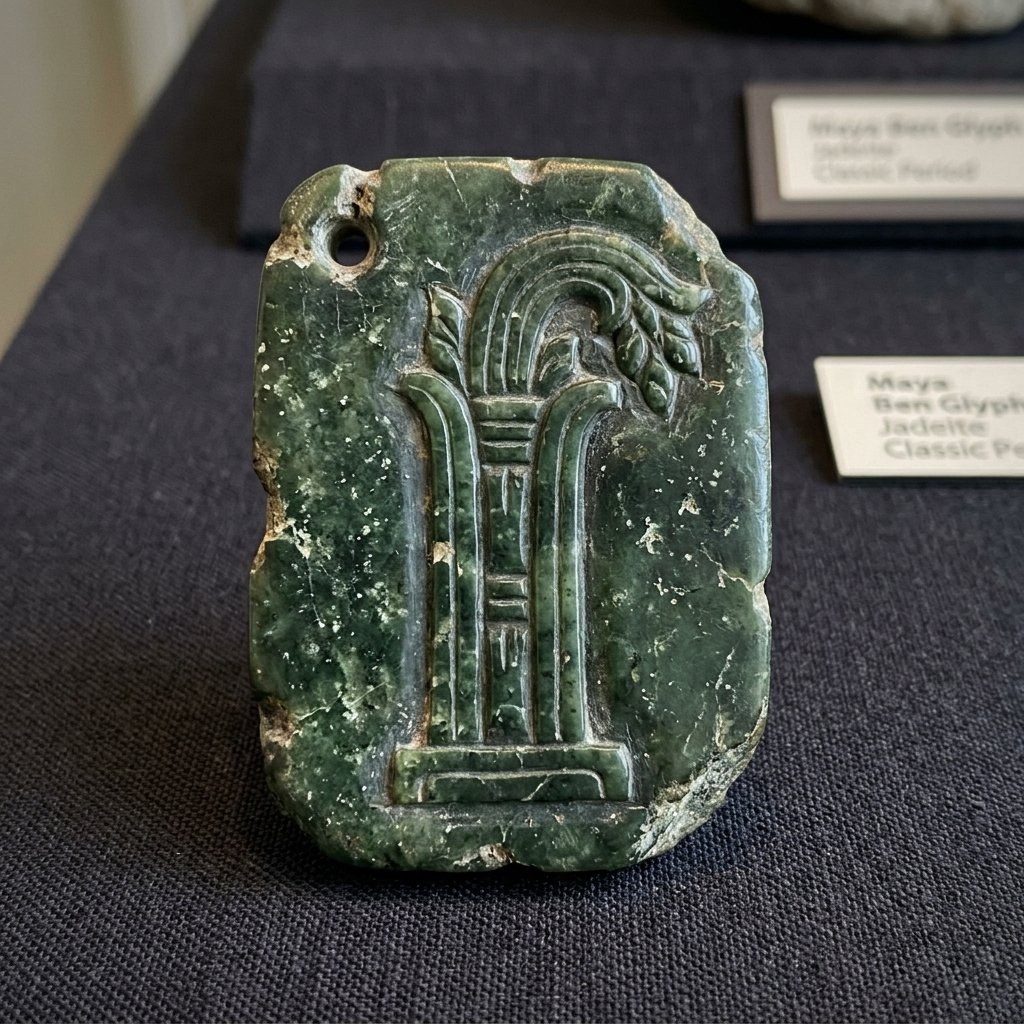 Ben Reed
 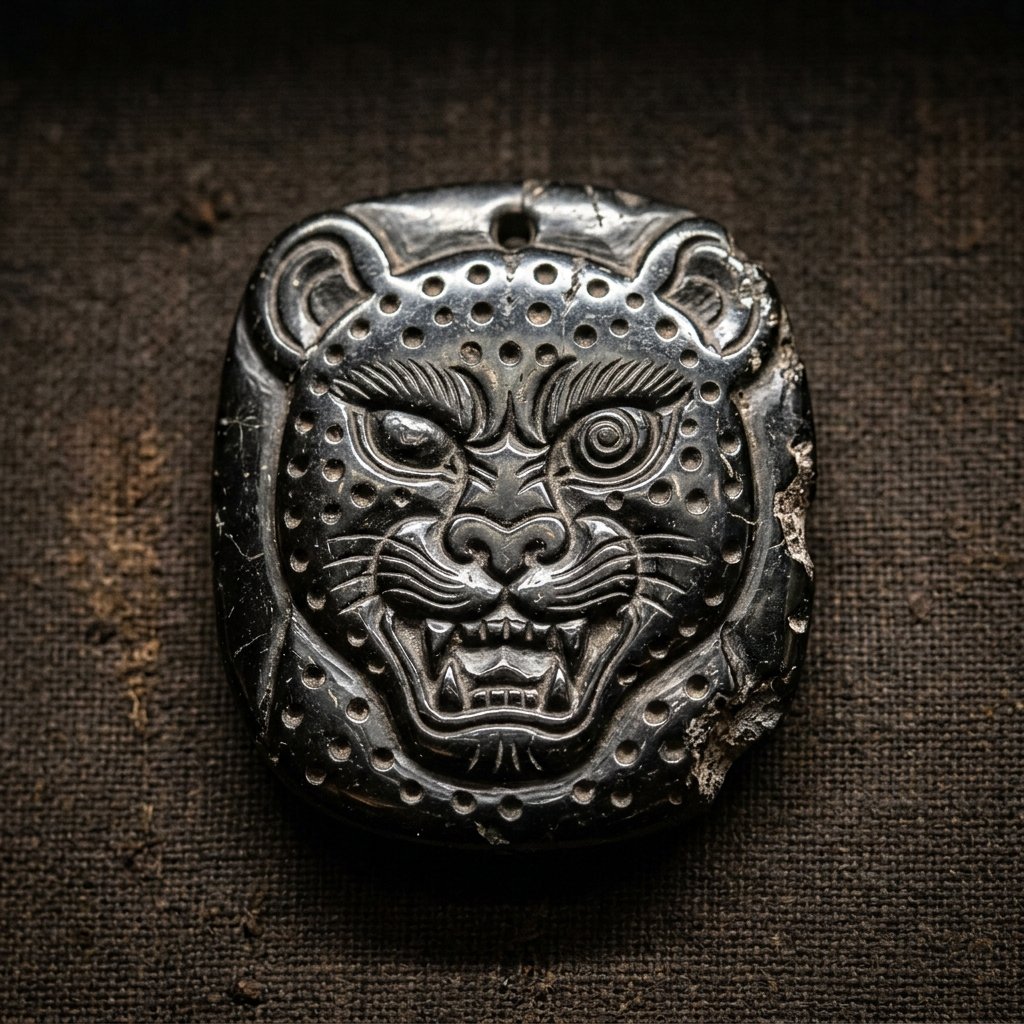 Ix Jaguar
 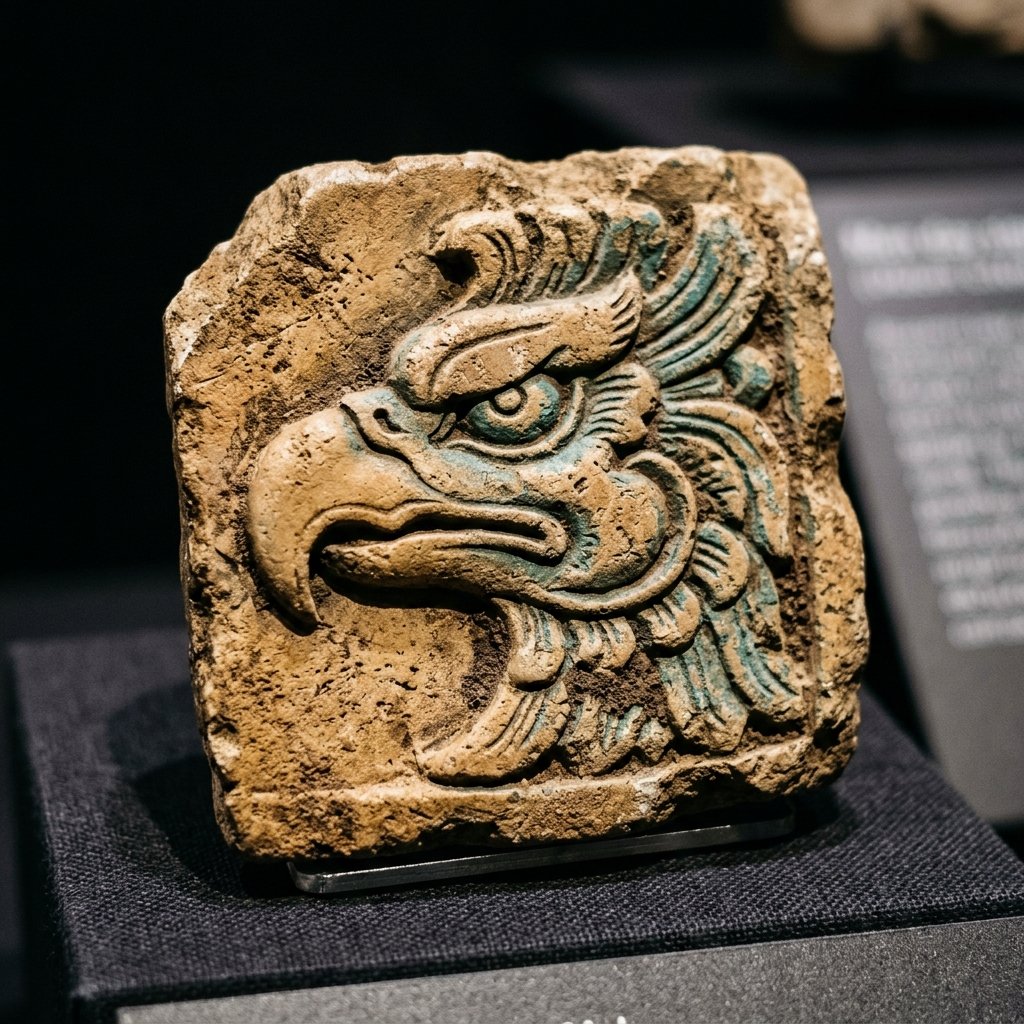 Men Eagle
 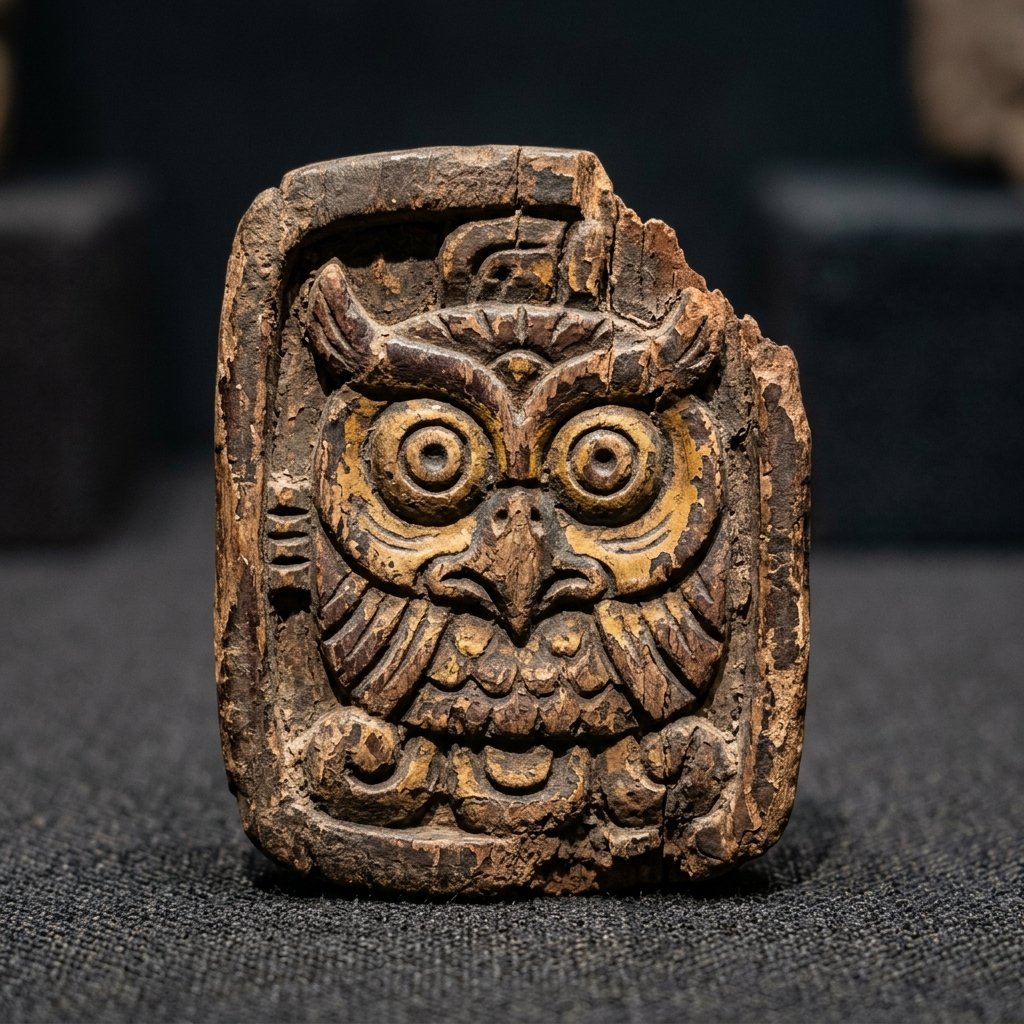 Cib Owl
 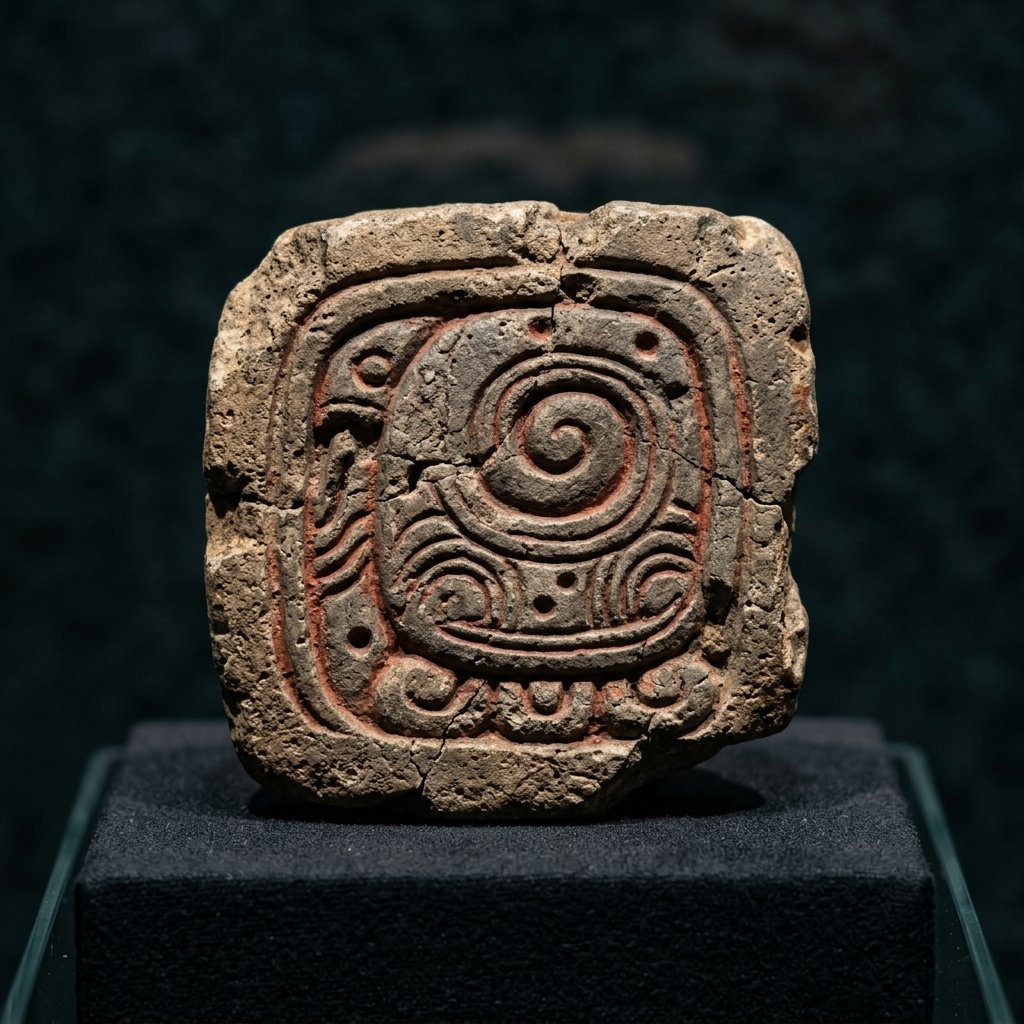 Caban Earth
 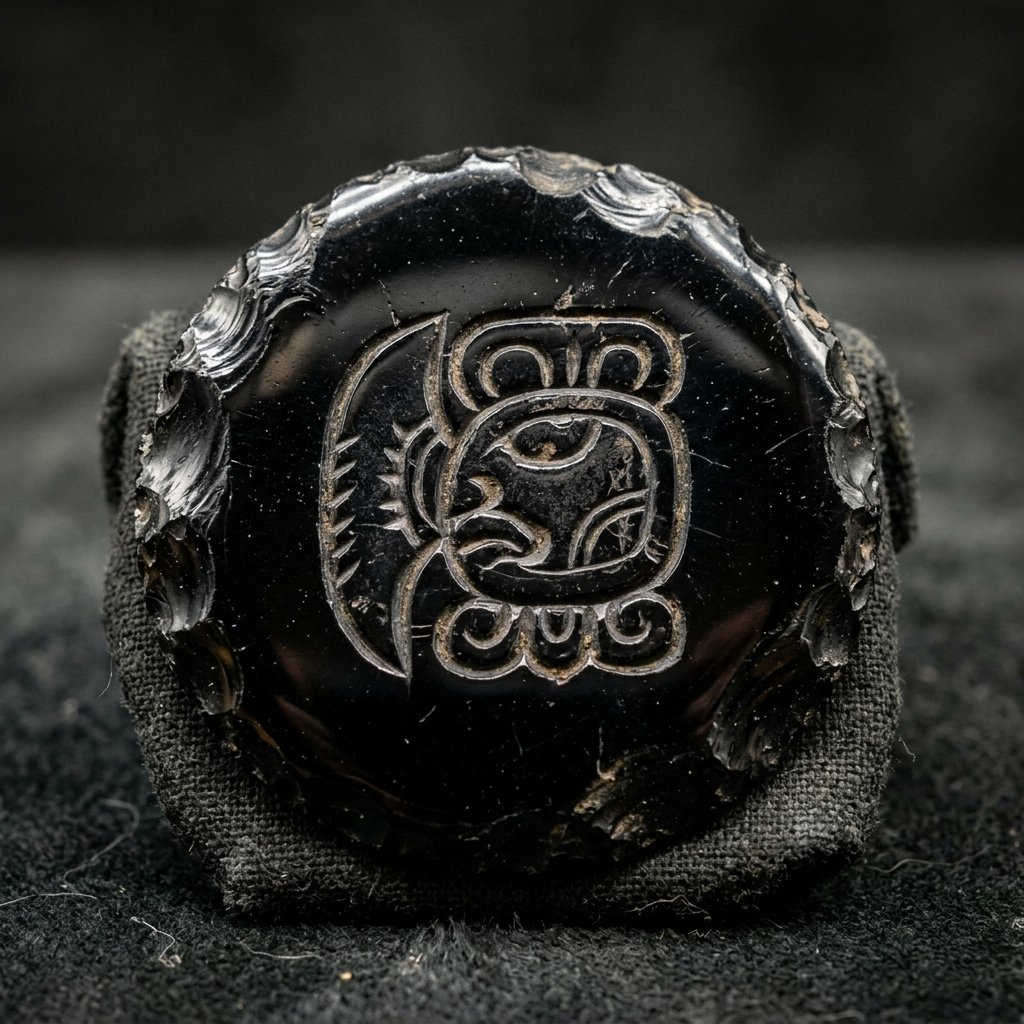 Etznab Flint
 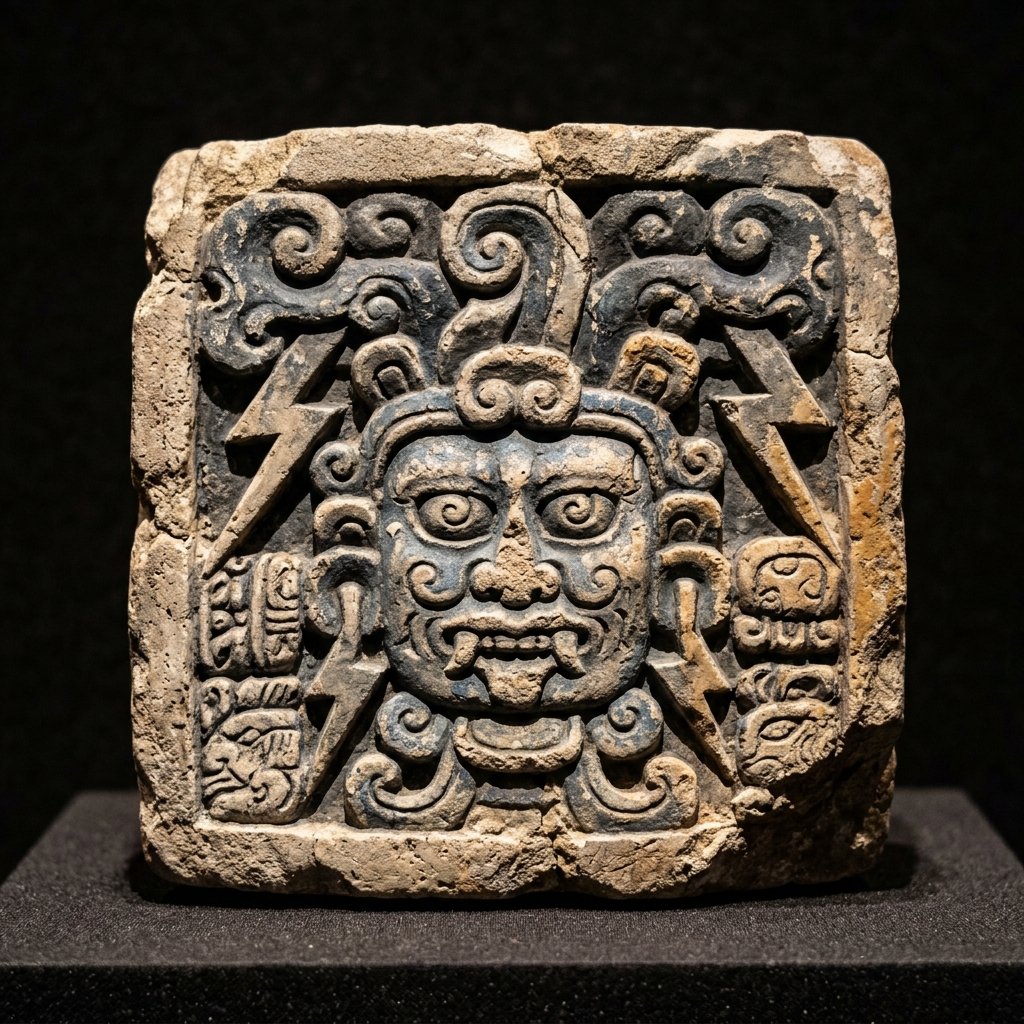 Cauac Storm
  Ahau Sun
 The 13 Tones (Oxlajuj Ajil)
While your day sign determines what energy you carry, your tone number (1–13) determines how you express it. The 13 tones cycle through the 20 day signs like a second wheel turning inside the first — creating the 260 unique combinations of the Tzolk'in.
In K'iche' Maya practice, the tones are understood as levels of intensity or maturity. Lower tones (1–4) represent initiation and gathering energy; middle tones (5–9) represent active expression and peak power; higher tones (10–13) represent refinement, sharing, and transcendence. The ethnographer Martin Prechtel, who lived for years in Santiago Atitlán and was initiated into Maya ritual life, describes the tones as "the breath inside the word — the sign is the word itself, but the tone is how it is spoken" (Prechtel, M., Secrets of the Talking Jaguar, Tarcher, 1998, pp. 47–52).
New beginnings, purpose, initiation. The energy of the first spark — what you bring into the world at the start of a cycle.
Challenge, polarity, decision. The tension between opposites that creates growth. Stabilize through choice.
Action, movement, creativity. The dynamic energy that turns vision into motion. Create, move, express.
Form, definition, measurement. The energy of structure and foundation-building. Establish what lasts.
Center, radiance, command. The midpoint of the number wave — maximum power and presence.
Balance, equality, organic growth. The energy of natural unfolding without force. Trust the process.
Attunement, channeling, mystical power. The sacred center — where the everyday touches the divine.
Justice, harmony, galactic modeling. The energy of right-action and ethical power.
Patience, perseverance, greater cycles. The energy of the long game — what you commit to.
Producing, perfecting, real-world impact. Ideas become tangible. Results appear.
Release, simplification, letting go. The energy of freedom — dissolve what constrains.
Sharing, dedication, complex stability. The energy of community and interconnection.
Presence, endurance, cosmic completion. The highest frequency — touching the infinite.
The Daykeepers: Living Guardians of the Count
The most remarkable feature of the Tzolk'in is that it has never been a museum piece. Unlike the Egyptian, Babylonian, or Roman calendars — which were reconstructed by modern scholars from fragmentary records — the Tzolk'in has been continuously maintained by trained specialists in an unbroken chain stretching back to the Preclassic era (roughly 500 BC or earlier).
These specialists are called daykeepers — aj q'ij in K'iche' Maya (literally "person of the day/sun"). Barbara Tedlock's groundbreaking ethnography, based on her years of fieldwork and personal initiation as a daykeeper in Momostenango, Guatemala, provides the most detailed account of their training and practice. A daykeeper candidate undergoes a 260-day apprenticeship — one full Tzolk'in cycle — during which they learn to read the "blood lightning" sensations in their own body as divinatory signs, memorize the auguries of each day, and master the complex ritual obligations associated with specific calendar positions (Tedlock, B., Time and the Highland Maya, 1992, pp. 47–72).
The survival of this tradition through the Spanish conquest is itself an extraordinary story. Colonial records from the sixteenth and seventeenth centuries document systematic campaigns to destroy Maya calendrical knowledge — books were burned, daykeepers were persecuted, and indigenous religious practices were violently suppressed. Yet the count survived. As the archaeologist Allen Christenson writes, "The daykeepers of the highlands quietly maintained the ancient count, passing it from master to apprentice in a tradition that the conquerors, for all their violence, could never fully extinguish" (Christenson, A., The Burden of the Ancients: Maya Ceremonies of World Renewal, University of Texas Press, 2016, pp. 28–35).
Today, an estimated 40,000+ daykeepers practice in Guatemala, with communities also active in southern Mexico, Belize, and Honduras. They consult the Tzolk'in for critical life decisions: naming children, choosing marriage dates, diagnosing illness, settling legal disputes, and timing agricultural activities. When you use our sign calculator, the algorithm traces back to the same unbroken count that these living practitioners maintain.
Mayan Astrology vs. Western Astrology
The most common question visitors ask is how Maya astrology compares to Western astrology. While both systems assign personality traits based on birth timing, the differences are fundamental:
| Feature | Western Astrology | Maya Astrology (Tzolk'in) |
|---|---|---|
| Basis | Sun's position among constellations (ecliptic) | Position within a 260-day sacred count |
| Cycle Length | 365.25 days (solar year) | 260 days (Tzolk'in cycle) |
| Signs | 12 zodiac signs | 20 day signs × 13 tones = 260 combinations |
| Key Factor | Birth month/date (Sun sign) | Exact day within the 260-day cycle |
| Origin | Mesopotamia/Greece (~2nd century BC) | Mesoamerica (~5th century BC or earlier) |
| Living Tradition? | Reconstructed from historical texts | Continuously practiced for 2,500+ years |
| Practitioners | Modern astrologers (varied training) | 40,000+ trained daykeepers (aj q'ij) |
| Scientific Correlation | No established correlation | 260 days ≈ human gestation; solar zenith passages |
The art historian and Mayanist Mary Miller has cautioned against conflating the two systems: "The Maya calendar is not 'Maya astrology' in the Western sense. It is a fundamentally different technology of time — one that does not separate the astronomical from the biological, the agricultural from the sacred, or the personal from the cosmic" (Miller, M.E. & Martin, S., Courtly Art of the Ancient Maya, Thames & Hudson, 2004, p. 54).
The Academic Study of the Tzolk'in
Scholarly understanding of the Tzolk'in has evolved enormously over the past century. The key milestones include:
- 1897 — Joseph Goodman establishes the GMT correlation constant (later refined by Juan Martínez Hernández and J. Eric S. Thompson), which allows scholars to convert Maya Long Count dates to the Gregorian calendar — the mathematical bridge that makes day-sign calculation possible for any modern date (Goodman, J. T., "The Archaic Maya Inscriptions," in Biologia Centrali-Americana: Archaeology, Appendix, 1897).
- 1950 — Yuri Knorozov achieves the first major breakthrough in deciphering Maya hieroglyphs, proving they were a mixed logographic-syllabic writing system. This opened the door to reading actual Maya texts about their own calendar and divination practices (Coe, M., Breaking the Maya Code, Thames & Hudson, 3rd ed., 2012, pp. 142–173).
- 1982 — Barbara Tedlock publishes the first detailed ethnographic account of living Tzolk'in divination, based on her personal initiation as a K'iche' Maya daykeeper — proving that the calendar count survived the colonial period unbroken (Tedlock, B., Time and the Highland Maya, 1992).
- 1996 — Dennis Tedlock produces the definitive English translation of the Popol Vuh, the K'iche' Maya creation epic, which provides the mythological context for the Tzolk'in's role in Maya cosmology (Tedlock, D., Popol Vuh: The Definitive Edition of the Mayan Book of the Dawn of Life, Simon & Schuster, 1996).
- 2001 — Anthony Aveni publishes his comprehensive analysis of Maya astronomy and calendrics, demonstrating the empirical astronomical foundations of the 260-day cycle (Aveni, A., Skywatchers of Ancient Mexico, 2001).
- 2011 — David Stuart advances the decipherment of Maya calendrical hieroglyphs, enabling scholars to read the actual ancient Maya interpretations of specific calendar positions from carved stone monuments (Stuart, D., The Order of Days: Unlocking the Secrets of the Ancient Maya, Harmony Books, 2011).
Explore the Astrology Tools
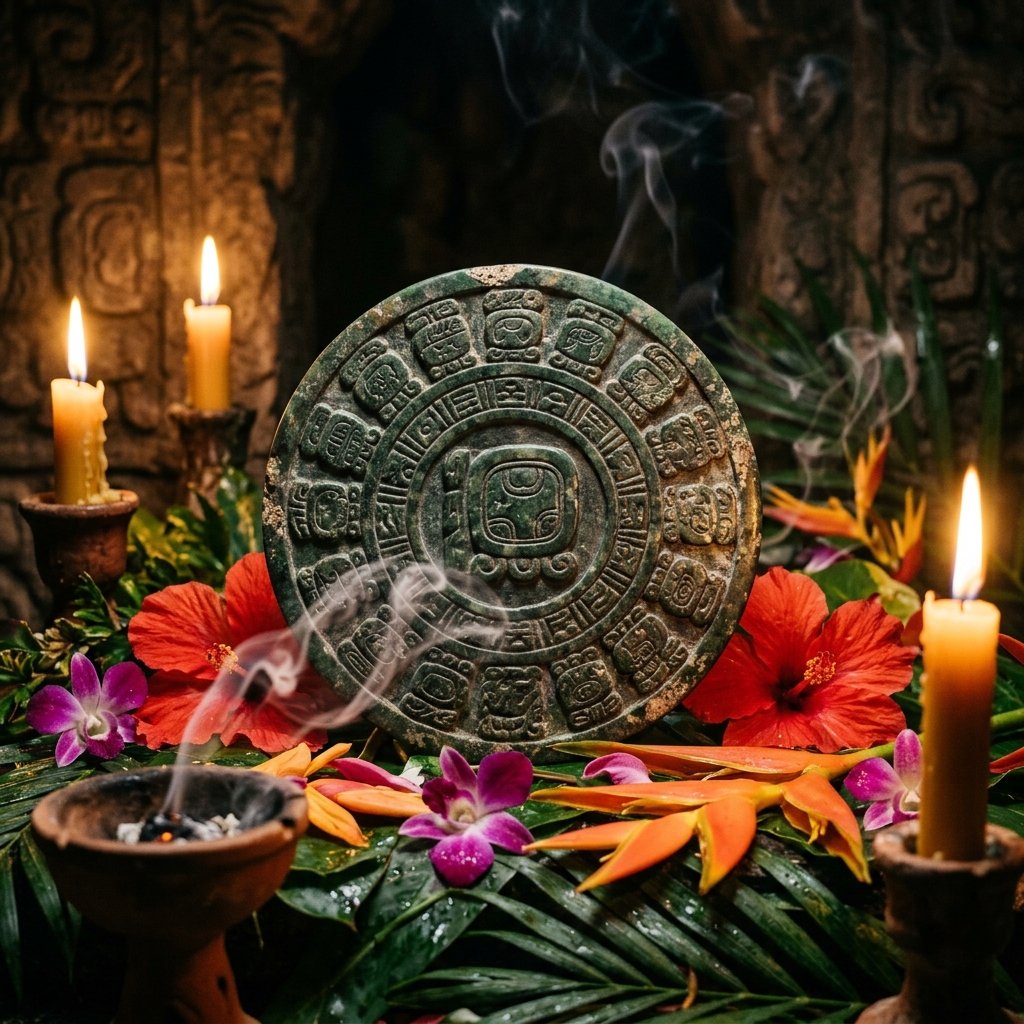
Sign Calculator
Enter your birthday to instantly discover your Maya day sign and galactic tone. Our algorithm traces back to the same unbroken count maintained by 40,000+ living daykeepers in Guatemala's highlands.
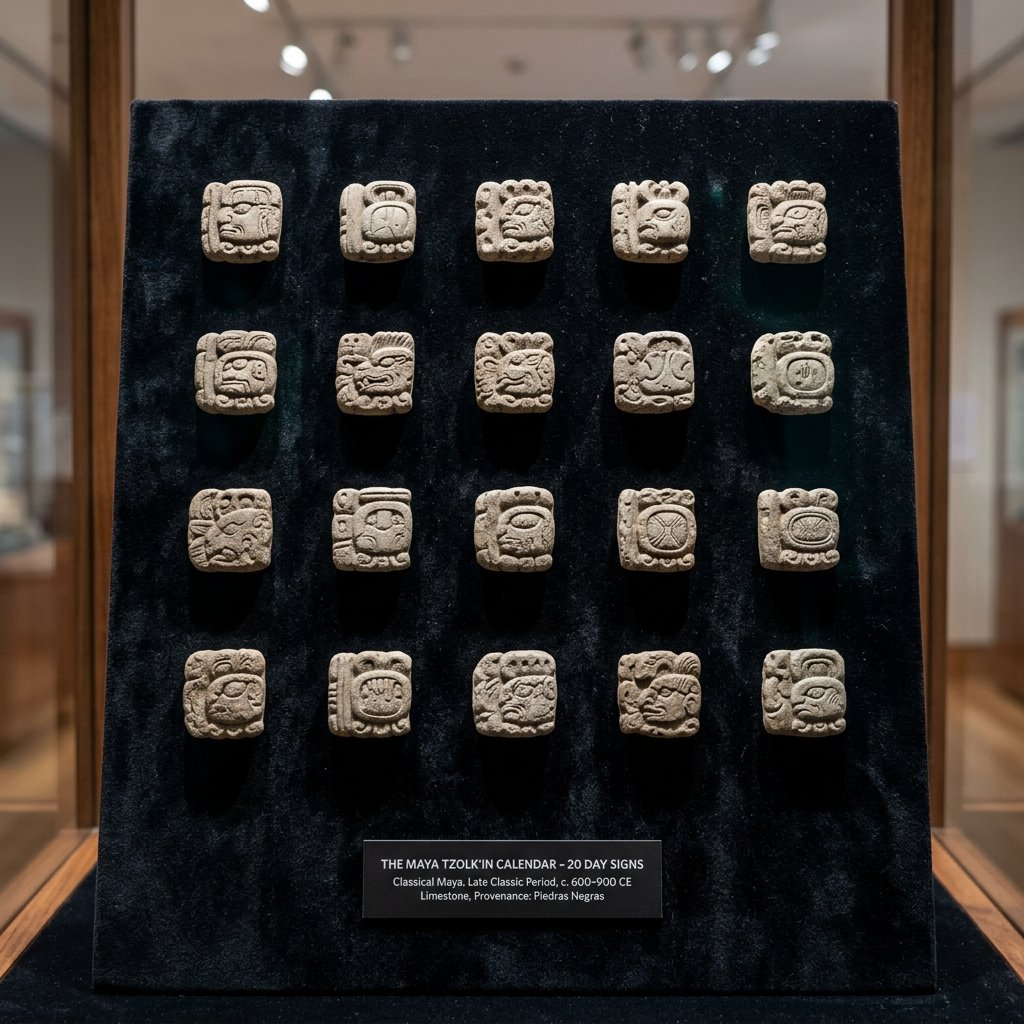
All 20 Day Signs
Explore complete personality profiles for every day sign in the Tzolk'in cycle — from Imix the Crocodile to Ahau the Sun. Each profile includes strengths, challenges, compatible signs, and the patron deity.
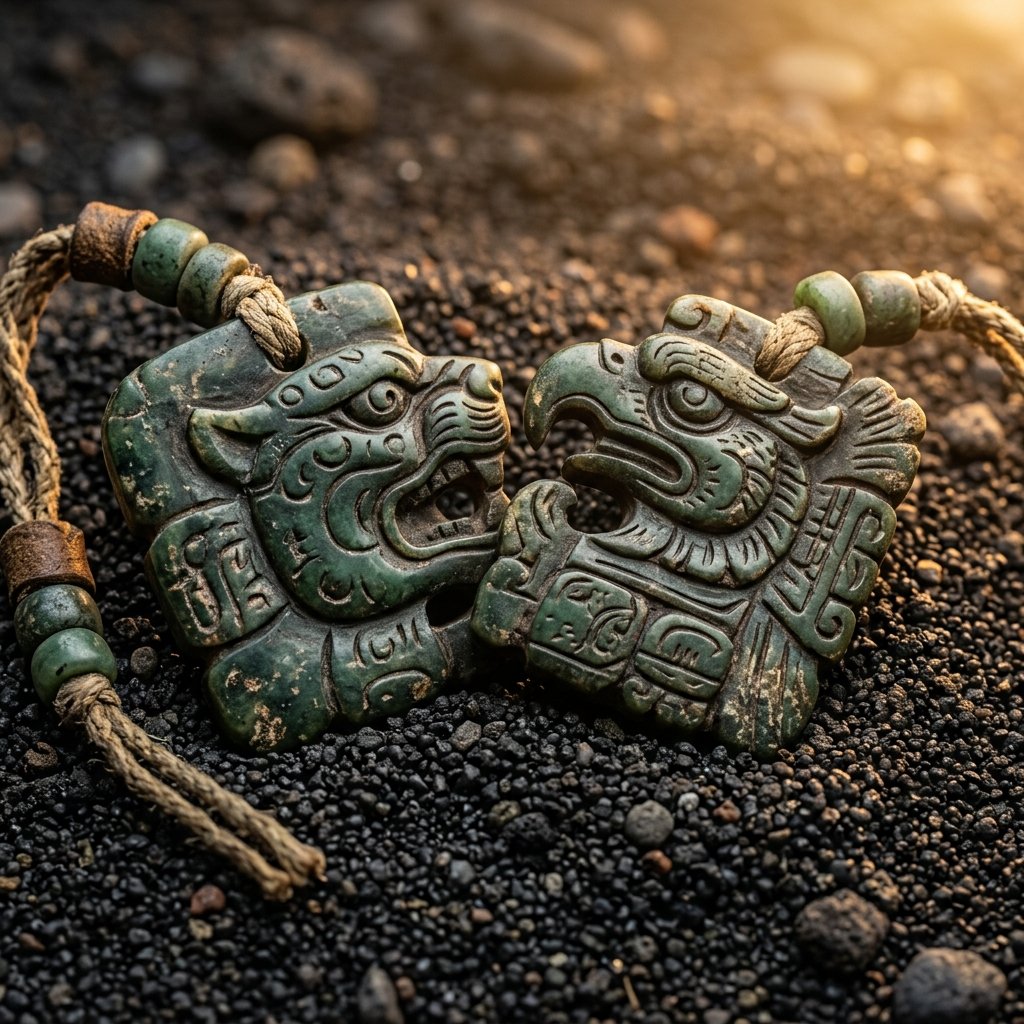
Compatibility Checker
Enter two birthdays to discover how your Maya day signs interact. Explore the cosmic chemistry between any two people — romantic partners, friends, family, or colleagues — using authentic Tzolk'in principles.
Which Mayan Spirit Sign Are You?
Take our interactive personality quiz. Answer 8 questions rooted in Maya cosmology to discover your cosmic archetype — are you the Jaguar, the Moon Priestess, or the Plumed Serpent?
The Maya Calendar
The Tzolk'in is only one part of the Maya time system. Dive into the full calendar architecture — the 365-day Haab, the 52-year Calendar Round, and the Long Count that tracks history across millennia.
A Note on Sources and Integrity
The content on this site draws from peer-reviewed academic research, published ethnographies, and epigraphic studies by recognized Mayanists. We distinguish clearly between documented ethnographic traditions, peer-reviewed scientific findings, and interpretive symbolism. The Maya Tzolk'in is not Western astrology repackaged with different symbols — it is a living spiritual and cultural system maintained by real communities across Central America for over two millennia. We present it with the respect and scholarly rigor it deserves.
References
- Aveni, A. Skywatchers of Ancient Mexico. University of Texas Press, 2001.
- Christenson, A. The Burden of the Ancients: Maya Ceremonies of World Renewal. University of Texas Press, 2016.
- Coe, M. The Maya. Thames & Hudson, 8th ed., 2011.
- Coe, M. Breaking the Maya Code. Thames & Hudson, 3rd ed., 2012.
- Goodman, J. T. "The Archaic Maya Inscriptions." Biologia Centrali-Americana: Archaeology, 1897.
- Miller, M.E. & Martin, S. Courtly Art of the Ancient Maya. Thames & Hudson, 2004.
- Prechtel, M. Secrets of the Talking Jaguar. Tarcher, 1998.
- Sharer, R. & Traxler, L. The Ancient Maya. Stanford University Press, 6th ed., 2006.
- Stuart, D. The Order of Days: Unlocking the Secrets of the Ancient Maya. Harmony Books, 2011.
- Tedlock, B. Time and the Highland Maya. University of New Mexico Press, 1992.
- Tedlock, D. Popol Vuh: The Definitive Edition of the Mayan Book of the Dawn of Life. Simon & Schuster, 1996.
Frequently Asked Questions
Is Mayan astrology accurate?
Mayan astrology as presented here is a modern interpretation of the Tzolk'in calendar system. It draws on academic research from scholars like Barbara Tedlock and Dennis Tedlock, as well as contemporary K'iche' Maya daykeeper practices. The 260-day calendar has remarkable correlations with human gestation (approximately 266 days) and astronomical cycles (solar zenith passages at key Maya latitudes). Many people find it a meaningful framework for self-reflection, though we present it as a cultural and interpretive system rather than a predictive science.
How is Mayan astrology different from Western astrology?
Western astrology uses a 12-sign zodiac based on the sun's apparent path through constellations across a 365-day year. Maya astrology uses 20 day signs combined with 13 tones in a 260-day sacred calendar cycle. The two systems are completely independent, use different mathematics, and originate from different civilizations. Perhaps the most significant difference is that the Maya system is a living tradition — maintained by 40,000+ trained daykeepers without interruption for over 2,500 years — while Western astrology was reconstructed from historical texts after centuries of dormancy.
What are the 20 Mayan zodiac signs?
The 20 day signs (nawales) are: Imix (Crocodile), Ik (Wind), Akbal (Night), Kan (Seed), Chicchan (Serpent), Cimi (Transformation), Manik (Deer), Lamat (Star), Muluc (Water), Oc (Dog), Chuen (Monkey), Eb (Road), Ben (Reed), Ix (Jaguar), Men (Eagle), Cib (Owl), Caban (Earth), Etznab (Flint), Cauac (Storm), and Ahau (Sun). Each represents a distinct archetype with its own personality traits, strengths, challenges, and associated patron deity.
How long has the Tzolk'in calendar been used?
The Tzolk'in has been tracked continuously for over 2,500 years — making it the longest unbroken calendrical tradition in human history. K'iche' and Kaqchikel Maya daykeepers in the Guatemalan highlands maintained the day count without a single interruption, even through the Spanish conquest, colonial suppression of indigenous religions, and the Guatemalan civil war. Allen Christenson's research documents how this survival was achieved through secretive transmission from master to apprentice.
Who are Maya daykeepers?
Daykeepers (aj q'ij in K'iche' Maya, meaning "person of the day/sun") are trained ritual specialists who maintain the 260-day calendar and perform divination, healing, and ceremonial duties. A daykeeper candidate undergoes a 260-day apprenticeship — one full Tzolk'in cycle — learning to read body sensations as divinatory signs, memorize the auguries of each day, and master complex ritual obligations. Barbara Tedlock's ethnographic work, based on her own initiation in Momostenango, Guatemala, provides the most detailed account of their training and practice. There are an estimated 40,000+ active daykeepers today.
Why is the Tzolk'in 260 days long?
Multiple theories explain the 260-day length, and they are not mutually exclusive. Body-based: 13 major joints × 20 digits = 260 (documented by Barbara Tedlock). Biological: 260 days closely approximates human gestation (~266 days). Astronomical: 260 days matches the interval between solar zenith passages at the latitude where the calendar originated (~14.8°N), as demonstrated by Anthony Aveni. Agricultural: 260 days approximates the highland maize growing season. The convergence of these biological, astronomical, and anatomical factors suggests the Maya identified a number that resonated across multiple domains of natural order.