Chicchan
The Serpent · Day Sign 5 of 20
Who Is Chicchan?
You possess powerful life force energy and instinctive wisdom. The cosmic serpent was sacred to the Maya — you share its ability to shed old skins and emerge transformed. Chicchan people are intensely alive, passionate, and capable of profound personal transformation.
In the Tzolk'in — the sacred 260-day calendar of the Maya — Chicchan is the 5th of twenty day signs, each representing a fundamental archetype of human experience. Your day sign is determined by the day you were born, and it shapes your personality, your purpose, and the cosmic energy you carry through life.
Chicchan is associated with the East direction, the element of Water, and the color Red. In the Maya cosmological system, these associations connect you to specific natural forces, seasonal energies, and spiritual qualities.
Strengths of Chicchan
Those born under the sign of Chicchan carry remarkable natural gifts:
- Powerful life force and charisma
- Deep instinctive wisdom
- Ability to transform completely
- Physical vitality and sensuality
- Natural healer
Challenges of Chicchan
Every sign carries its shadow. The challenges of Chicchan are not weaknesses — they are growth edges that, when worked with consciously, become your greatest sources of power:
- Intensity can overwhelm others
- Prone to extremes
- May manipulate through charm
- Jealousy and possessiveness
- Can be reactive rather than responsive
Chicchan in Love & Relationships
Chicchan loves with intensity. You are passionate, physical, and deeply committed once you choose — but you need someone who can match your energy without being consumed by it.
Most Compatible Signs
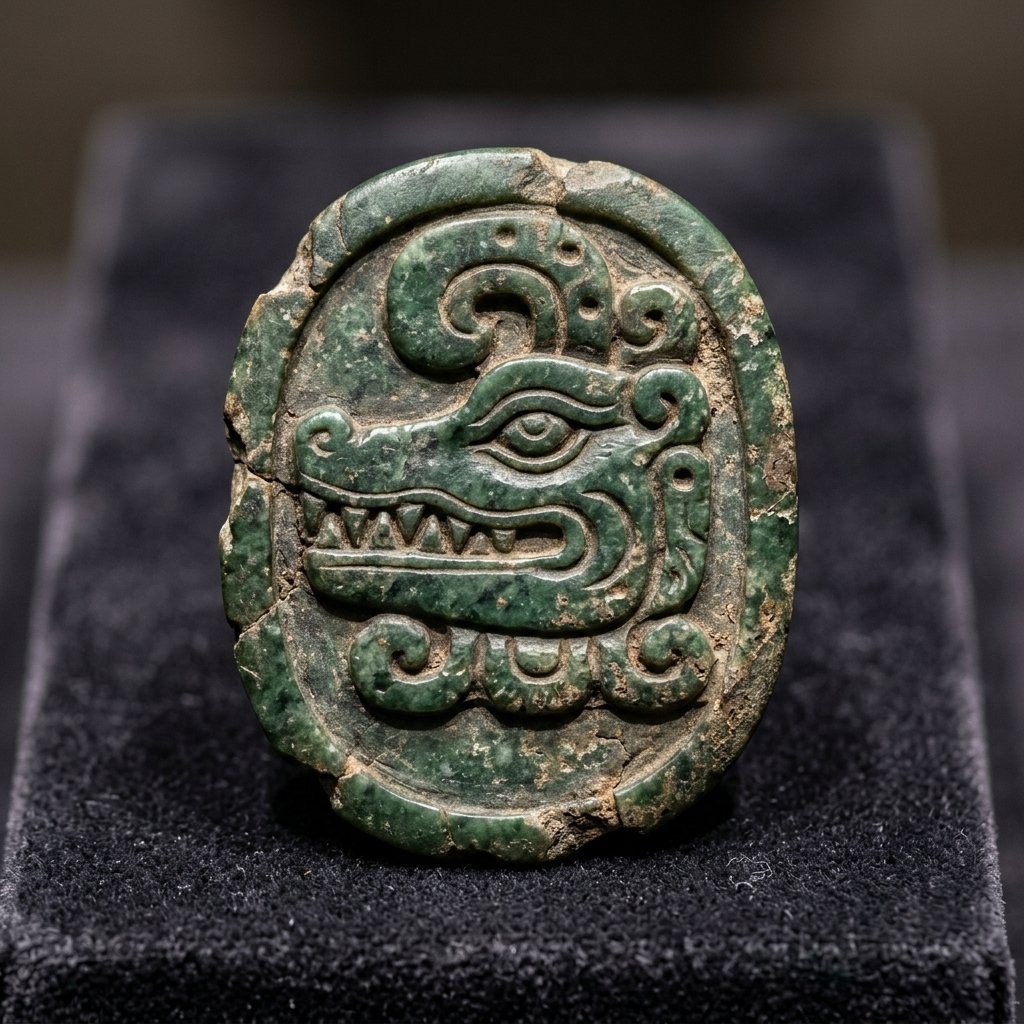
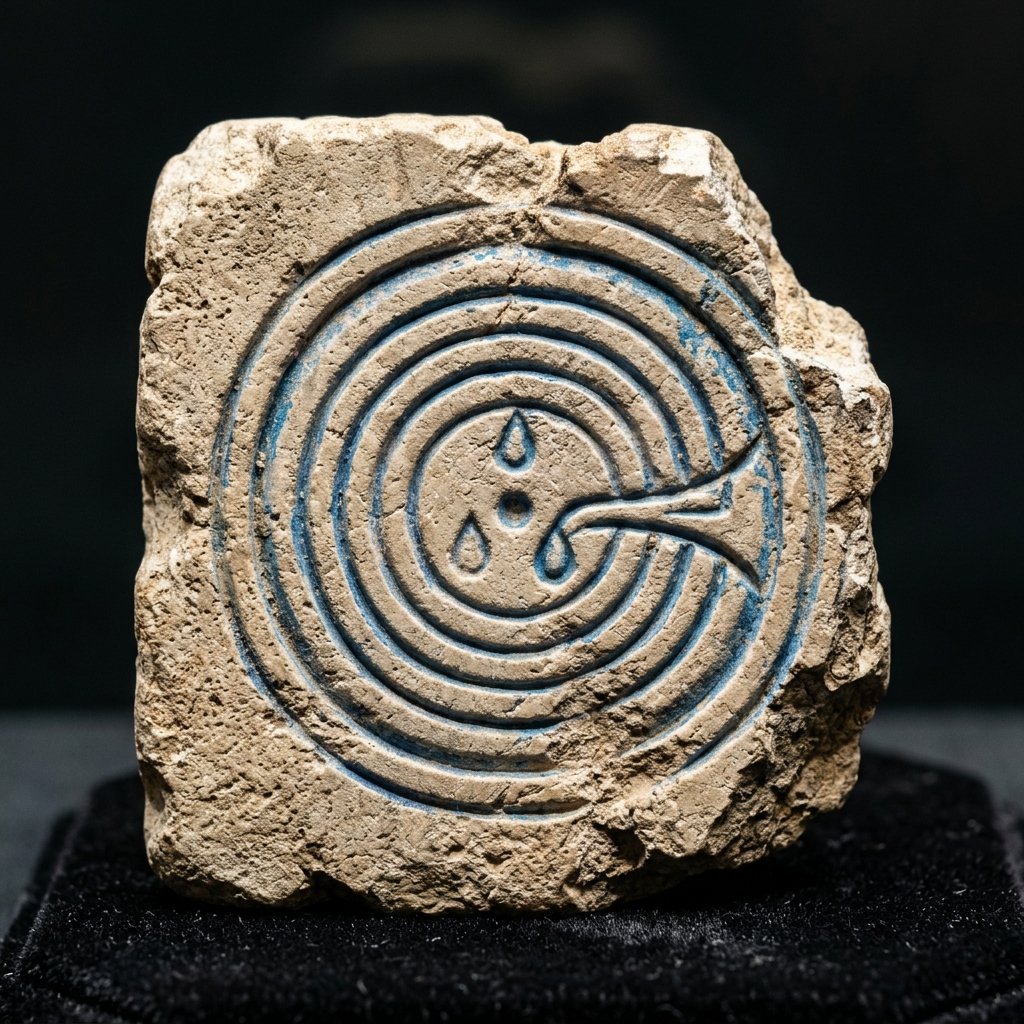
Chicchan shares the element of Water with these signs, creating natural resonance:
→ Check your compatibility with any birthday
Chicchan Career & Life Path
Medicine, bodywork, martial arts, psychology, tantric practices, emergency services, research, detective work.
Famous Chicchan People
Notable individuals believed to carry the Chicchan energy: Bruce Lee, Madonna
Note: Mayan astrology as presented on this site is a modern interpretation of the Tzolk'in calendar system. It draws on both academic research and contemporary practices, and should be enjoyed as a framework for self-reflection rather than a literal prediction system.
Chicchan in History & Archaeology
The Classic Glyph
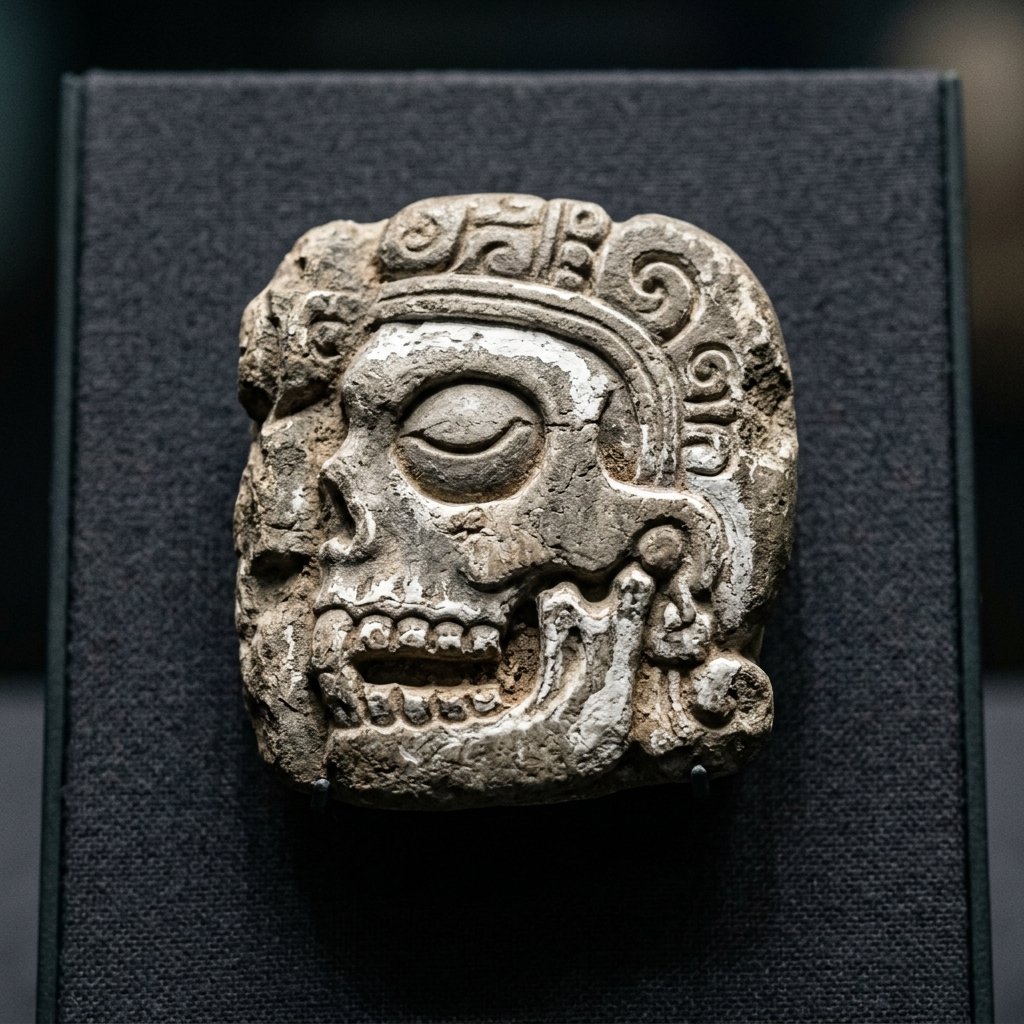
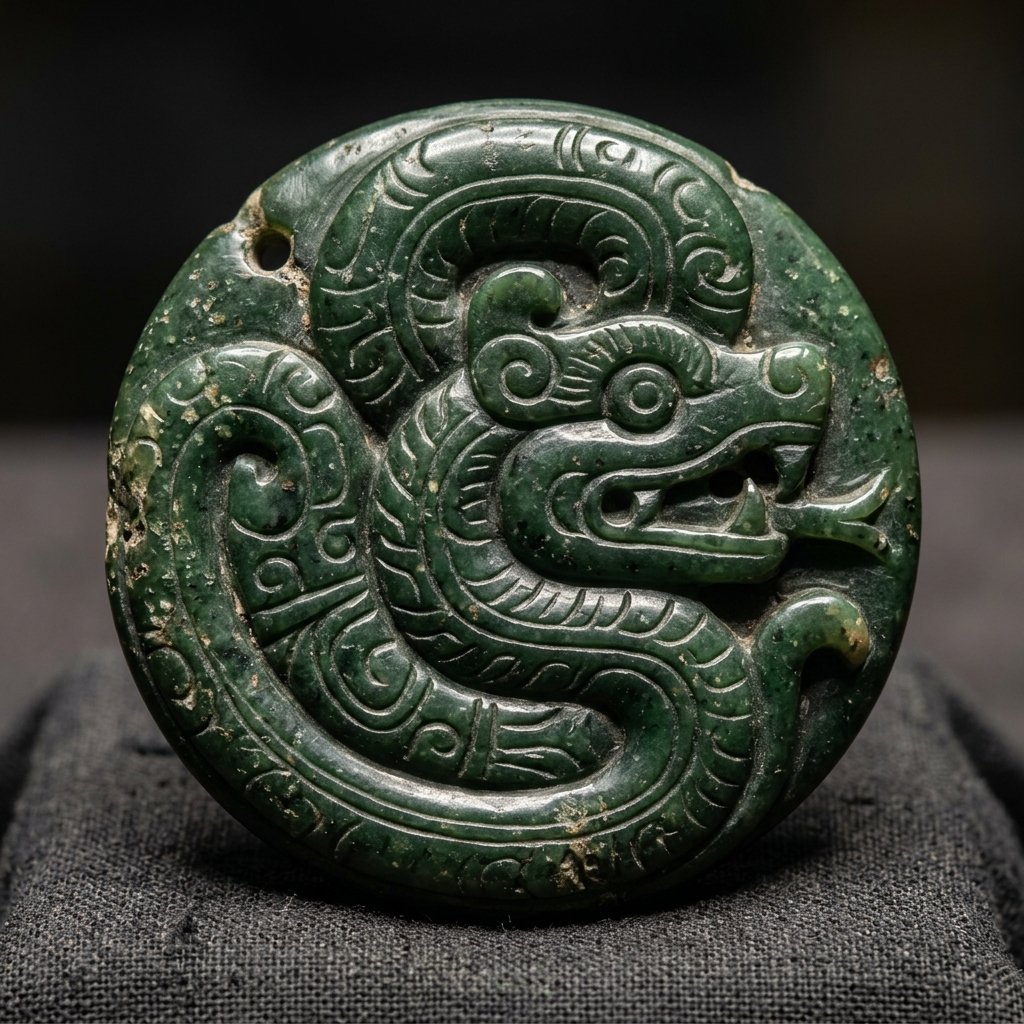
The Chicchan glyph depicts a serpent's head, often shown with the distinctive cross-bands on its body that indicate the celestial or vision serpent.
Archaeological Record
The feathered serpent (K'uk'ulkan in Yucatec, Q'uq'umatz in K'iche') was one of the most powerful religious symbols in all of Mesoamerica. At Chichén Itzá, the Temple of Kukulkán (El Castillo) produces the famous light-and-shadow serpent descending the north balustrade during the equinoxes — an architectural alignment that demonstrates the integration of serpent symbolism, astronomical knowledge, and monumental engineering. At Yaxchilán, Lintel 25 shows Lady Xoc conjuring a vision serpent through bloodletting ritual, with an ancestor warrior emerging from the serpent's maw.
Cosmological Significance
Serpents were conduits between the human and supernatural worlds. The "Vision Serpent" was conjured through bloodletting rituals and served as a portal through which rulers communicated with ancestors and gods. Linda Schele and Mary Ellen Miller's research demonstrated that the serpent was the fundamental metaphor for supernatural communication in Maya art. The shedding of a serpent's skin also made it a powerful symbol of transformation and renewal — dying and being reborn with a new body, a concept central to Maya theology.
Scholarly References
- Schele, L. & Miller, M.E. The Blood of Kings: Dynasty and Ritual in Maya Art. Kimbell Art Museum, 1986, pp. 175–208.
- Miller, M.E. & Martin, S. Courtly Art of the Ancient Maya. Thames & Hudson, 2004, pp. 62–67.
- Freidel, D., Schele, L. & Parker, J. Maya Cosmos: Three Thousand Years on the Shaman's Path. William Morrow, 1993, pp. 203–227.
The 13 Tones of Chicchan
Your day sign is only half of your Tzolk'in identity. The other half is your tone number — a number from 1 to 13 that modifies and refines the energy of your sign. If your sign is what you are, your tone is how you express it.
→ Find your exact tone number with our calculator
Frequently Asked Questions
What does it mean to be born on Chicchan?
Being born on Chicchan means the day you entered the world was governed by the energy of the Serpent. In Maya cosmology, this shapes your personality, strengths, challenges, and life purpose.
Is Chicchan the same as a Western zodiac sign?
No. The Maya Tzolk'in system is completely independent of Western astrology. While Western signs are based on the sun's position among constellations, Maya day signs are based on a 260-day sacred calendar cycle.
How do I know if I'm a Chicchan?
Use our Mayan Sign Calculator — enter your birth date and it will calculate your exact day sign and tone number using the same mathematical system the ancient Maya used.
What element is Chicchan?
Chicchan is associated with the element of Water and the East direction. This connects you to other Water signs and the energies of that element.
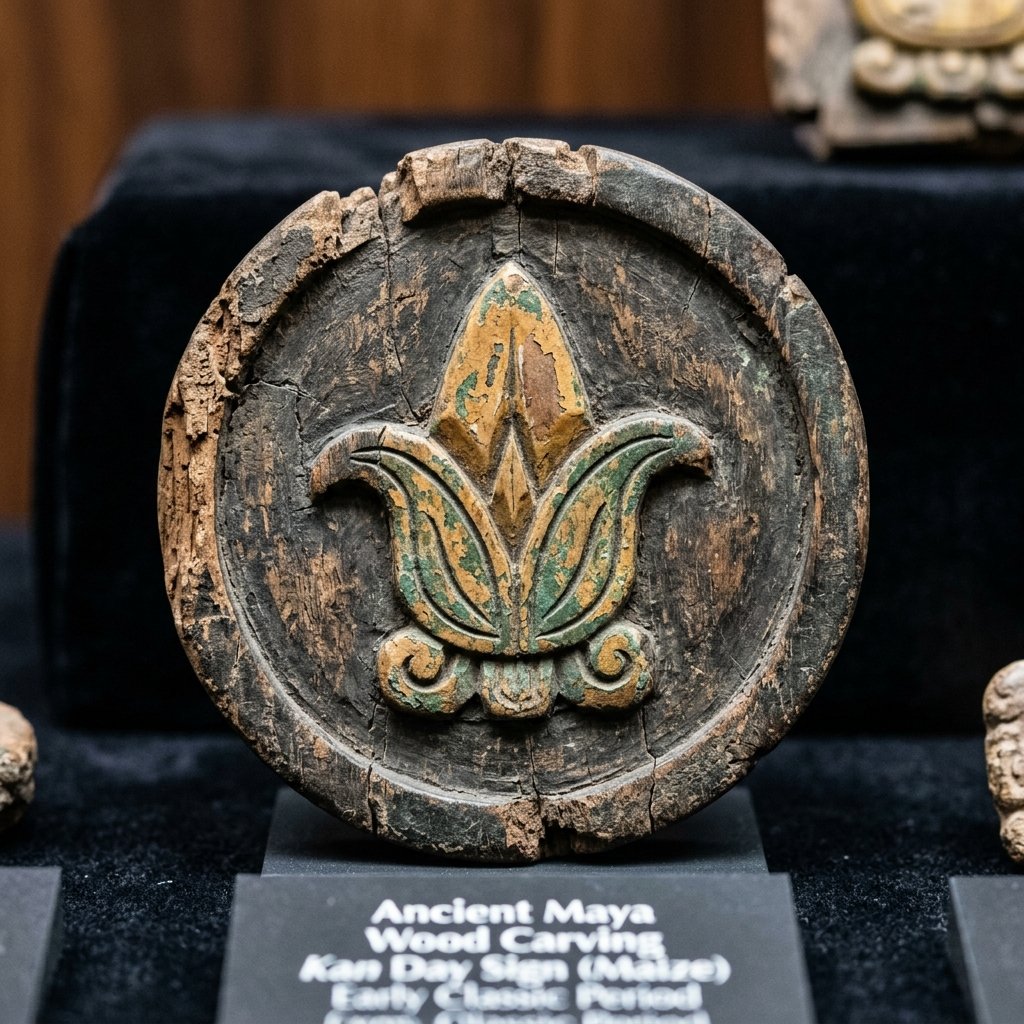 Kan
Kan