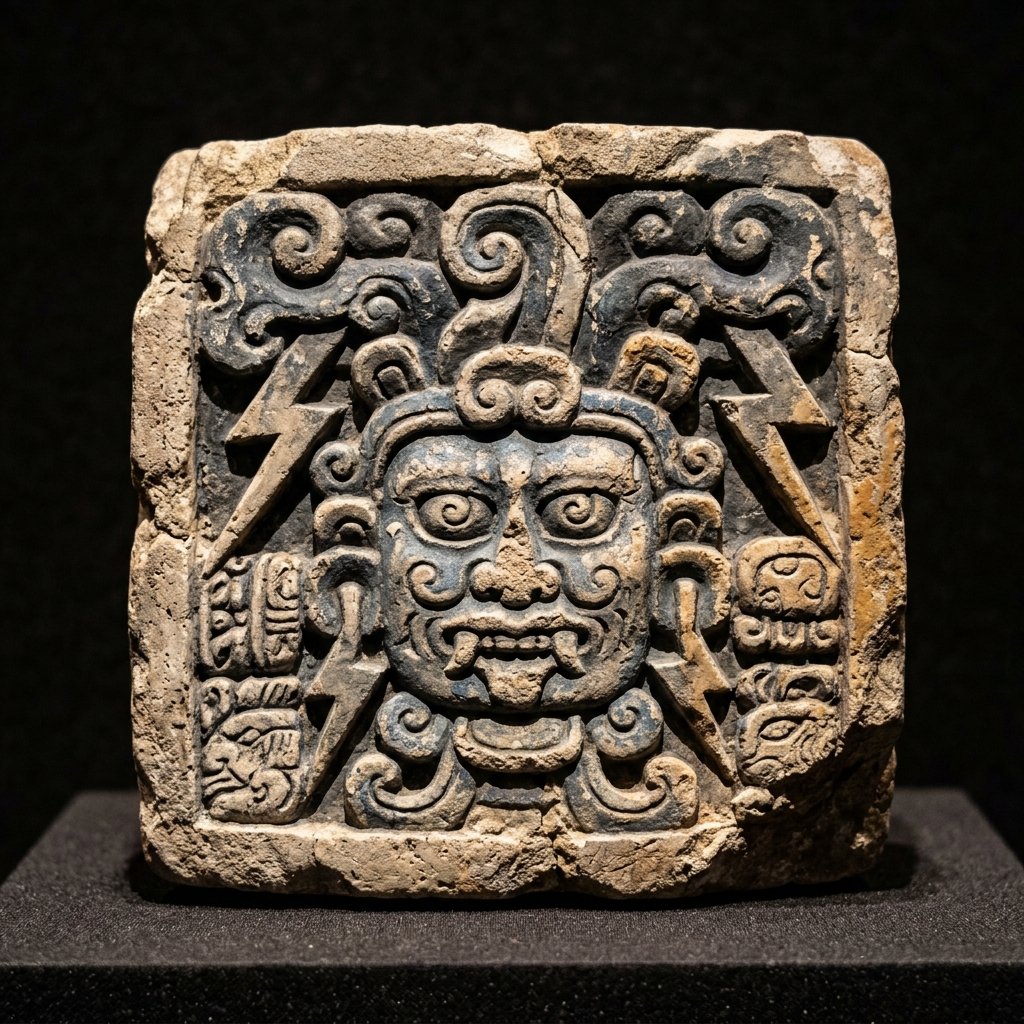
Cauac
The Storm · Day Sign 19 of 20
Who Is Cauac?
You carry transformative energy. Like the sacred storms that renew the Maya world, you have the power to clear away the old and usher in profound new beginnings. Cauac people are catalysts who accelerate change everywhere they go.
In the Tzolk'in — the sacred 260-day calendar of the Maya — Cauac is the 19th of twenty day signs, each representing a fundamental archetype of human experience. Your day sign is determined by the day you were born, and it shapes your personality, your purpose, and the cosmic energy you carry through life.
Cauac is associated with the West direction, the element of Earth, and the color Blue. In the Maya cosmological system, these associations connect you to specific natural forces, seasonal energies, and spiritual qualities.
Strengths of Cauac
Those born under the sign of Cauac carry remarkable natural gifts:
- Powerful catalyst for change
- Renewing and purifying energy
- Not afraid of upheaval
- Brings clarity after chaos
- Electric and exciting presence
Challenges of Cauac
Every sign carries its shadow. The challenges of Cauac are not weaknesses — they are growth edges that, when worked with consciously, become your greatest sources of power:
- Can create unnecessary turmoil
- May be addicted to drama
- Difficulty with calm or stillness
- Can leave destruction in their wake
- Emotional storms can harm others
Cauac in Love & Relationships
Cauac brings thunder and lightning to love — passionate, intense, transformative. You need a partner strong enough to weather your storms and who emerges renewed, not battered.
Most Compatible Signs
Cauac shares the element of Earth with these signs, creating natural resonance:
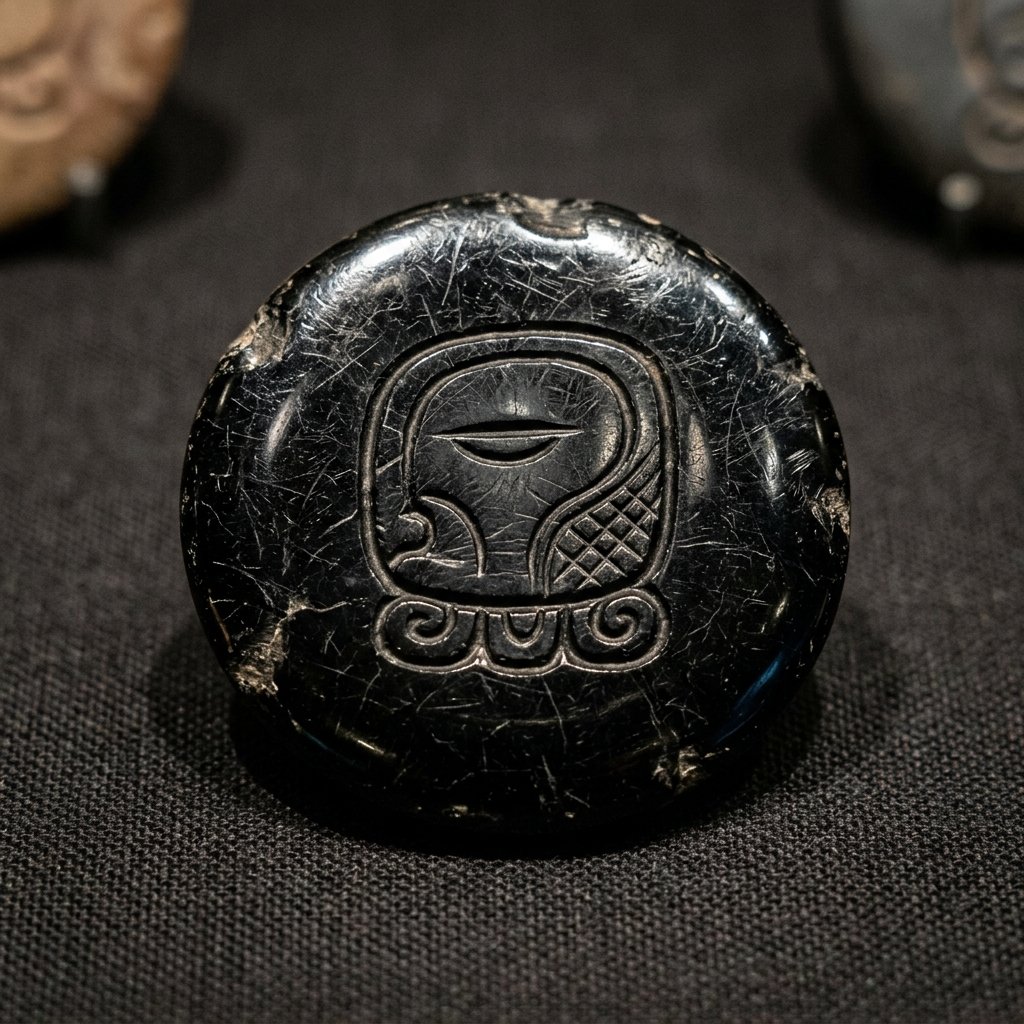
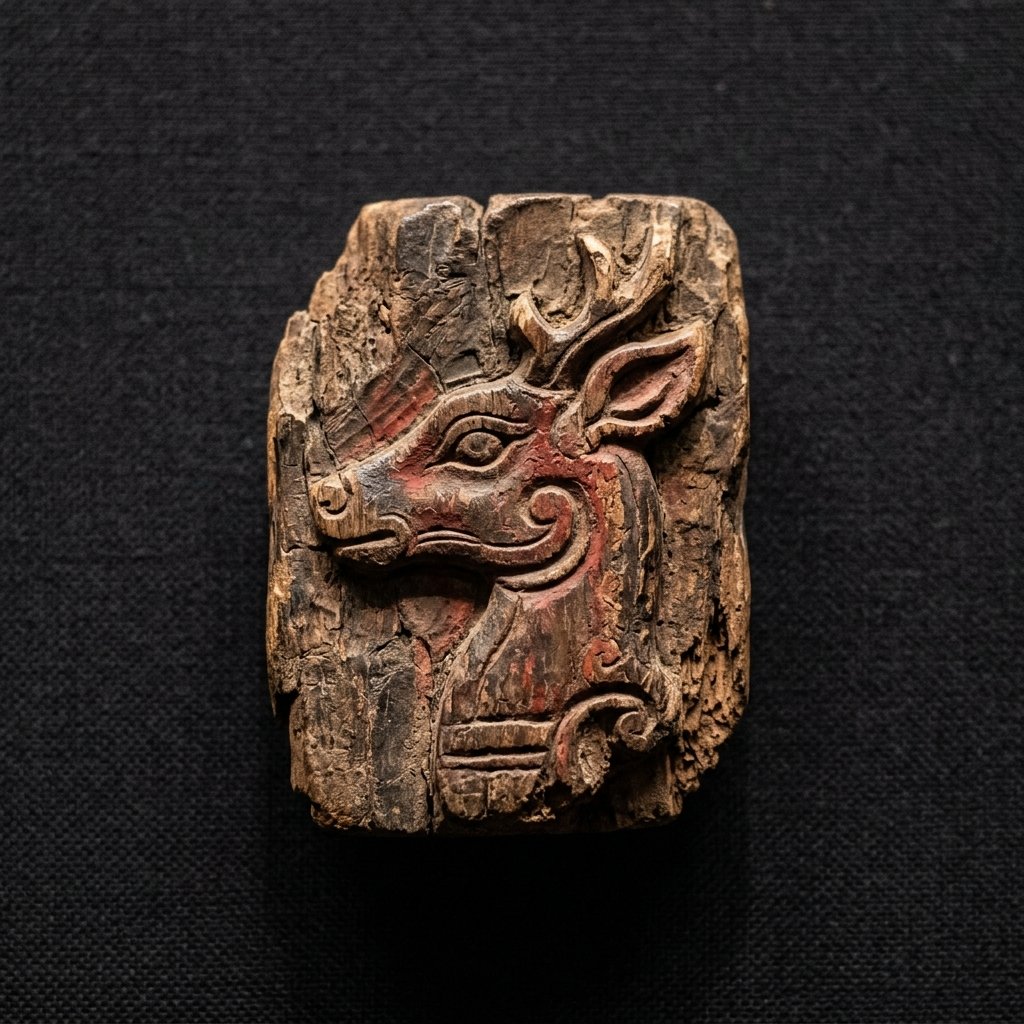
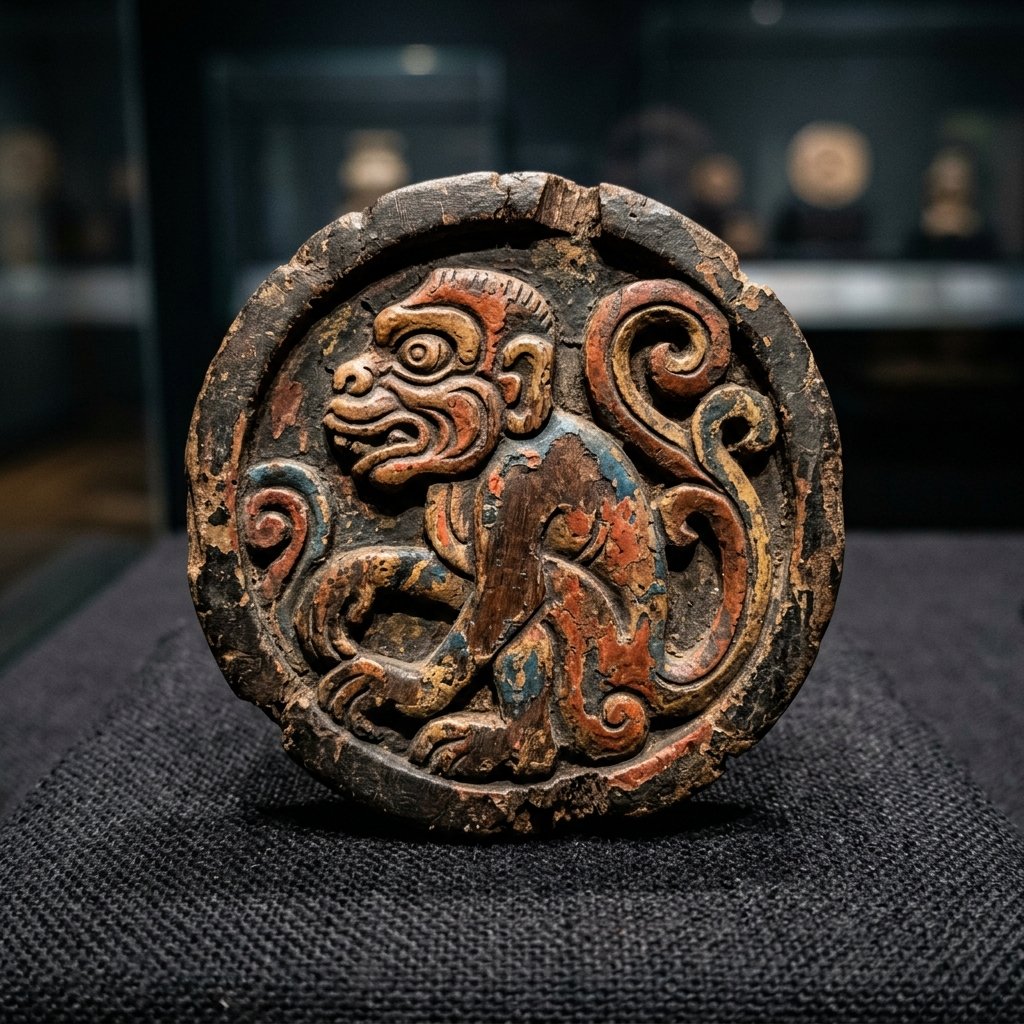
→ Check your compatibility with any birthday
Cauac Career & Life Path
Emergency services, therapy, crisis management, meteorology, electrical engineering, revolutionary politics, music performance.
Famous Cauac People
Notable individuals believed to carry the Cauac energy: Beethoven, Nikola Tesla
Note: Mayan astrology as presented on this site is a modern interpretation of the Tzolk'in calendar system. It draws on both academic research and contemporary practices, and should be enjoyed as a framework for self-reflection rather than a literal prediction system.
Cauac in History & Archaeology
The Classic Glyph
The Cauac glyph depicts stacked cloud or rain symbols — the familiar "cauac monster" face with its hooked nose and stacked curls representing thunderheads and stormclouds.
Archaeological Record
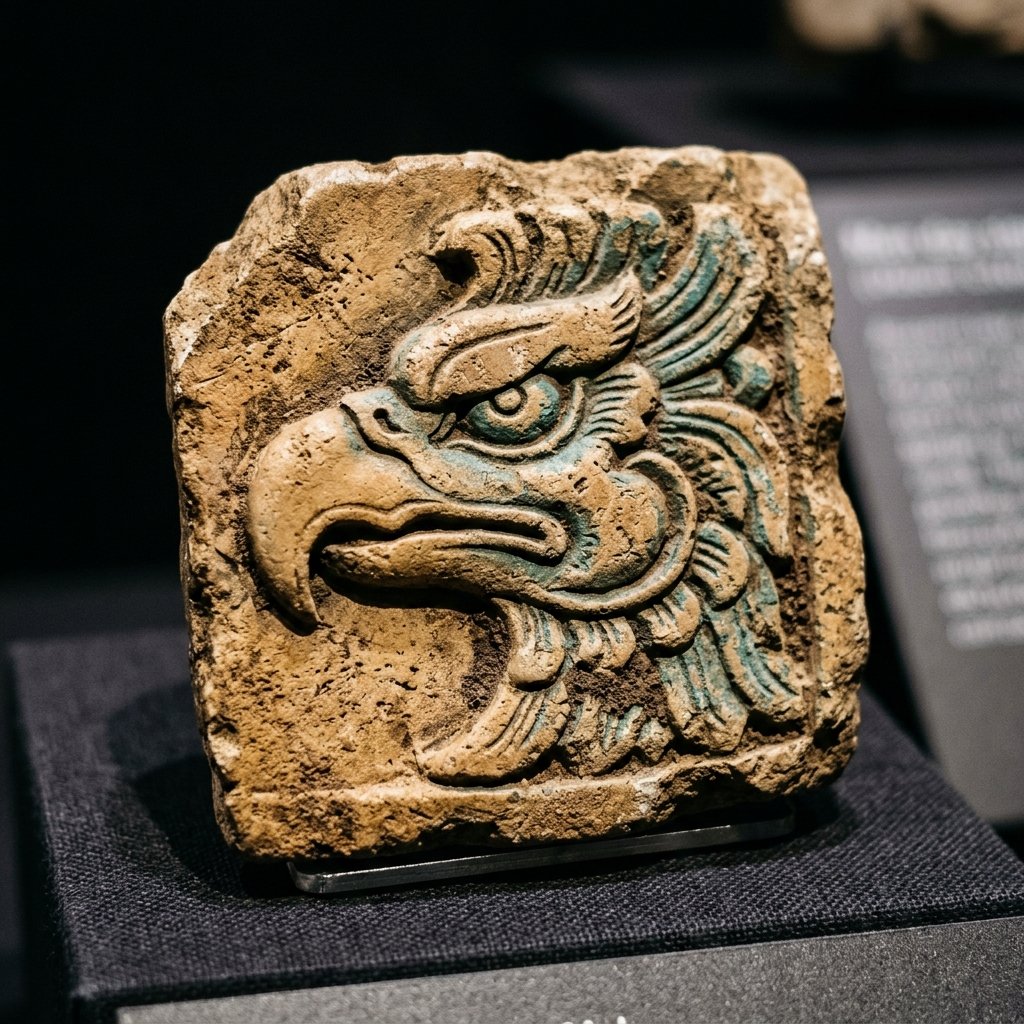
Rain and storms were matters of survival in the Maya lowlands, where the pronounced dry season could bring drought and famine. The rain god Chaac was among the most frequently depicted deities in all of Maya art — his long-nosed mask appears on hundreds of building facades across the Puuc region (Uxmal, Kabah, Sayil). At Kabah, the Codz Poop ("Palace of Masks") features over 250 Chaac masks covering its entire facade — a monumental prayer for rain built in stone. The Cauac stone (tuun) glyph also appears throughout the Long Count system as the word for "year" or "stone," connecting storms to the fundamental measurement of time.
Cosmological Significance
The Maya saw storms not as destructive forces but as essential acts of cosmic renewal. The god Chaac was invoked through elaborate rain ceremonies (ch'a-chaak) documented extensively by ethnographers throughout the Yucatán. The storm cleared the air, replenished the earth, and made agriculture possible — without Cauac energy, civilization could not exist. Dennis Tedlock noted that Kawoq in K'iche' practice is associated with community, women, and collective gatherings — the "storm" that brings people together. Lightning was considered a manifestation of divine power, and K'iche' daykeepers describe the "blood lightning" (koyopa) that runs through the body as a microcosmic version of the same force.
Scholarly References
- Taube, K. "The Rainmakers: The Olmec and Their Contribution to Mesoamerican Belief and Ritual." In The Olmec World, Princeton University Art Museum, 1996, pp. 83–103.
- Redfield, R. & Villa Rojas, A. Chan Kom: A Maya Village. University of Chicago Press, 1934, pp. 138–152.
- Tedlock, B. Time and the Highland Maya. University of New Mexico Press, 1992, pp. 122–128.
The 13 Tones of Cauac
Your day sign is only half of your Tzolk'in identity. The other half is your tone number — a number from 1 to 13 that modifies and refines the energy of your sign. If your sign is what you are, your tone is how you express it.
→ Find your exact tone number with our calculator
Frequently Asked Questions
What does it mean to be born on Cauac?
Being born on Cauac means the day you entered the world was governed by the energy of the Storm. In Maya cosmology, this shapes your personality, strengths, challenges, and life purpose.
Is Cauac the same as a Western zodiac sign?
No. The Maya Tzolk'in system is completely independent of Western astrology. While Western signs are based on the sun's position among constellations, Maya day signs are based on a 260-day sacred calendar cycle.
How do I know if I'm a Cauac?
Use our Mayan Sign Calculator — enter your birth date and it will calculate your exact day sign and tone number using the same mathematical system the ancient Maya used.
What element is Cauac?
Cauac is associated with the element of Earth and the West direction. This connects you to other Earth signs and the energies of that element.
 Etznab