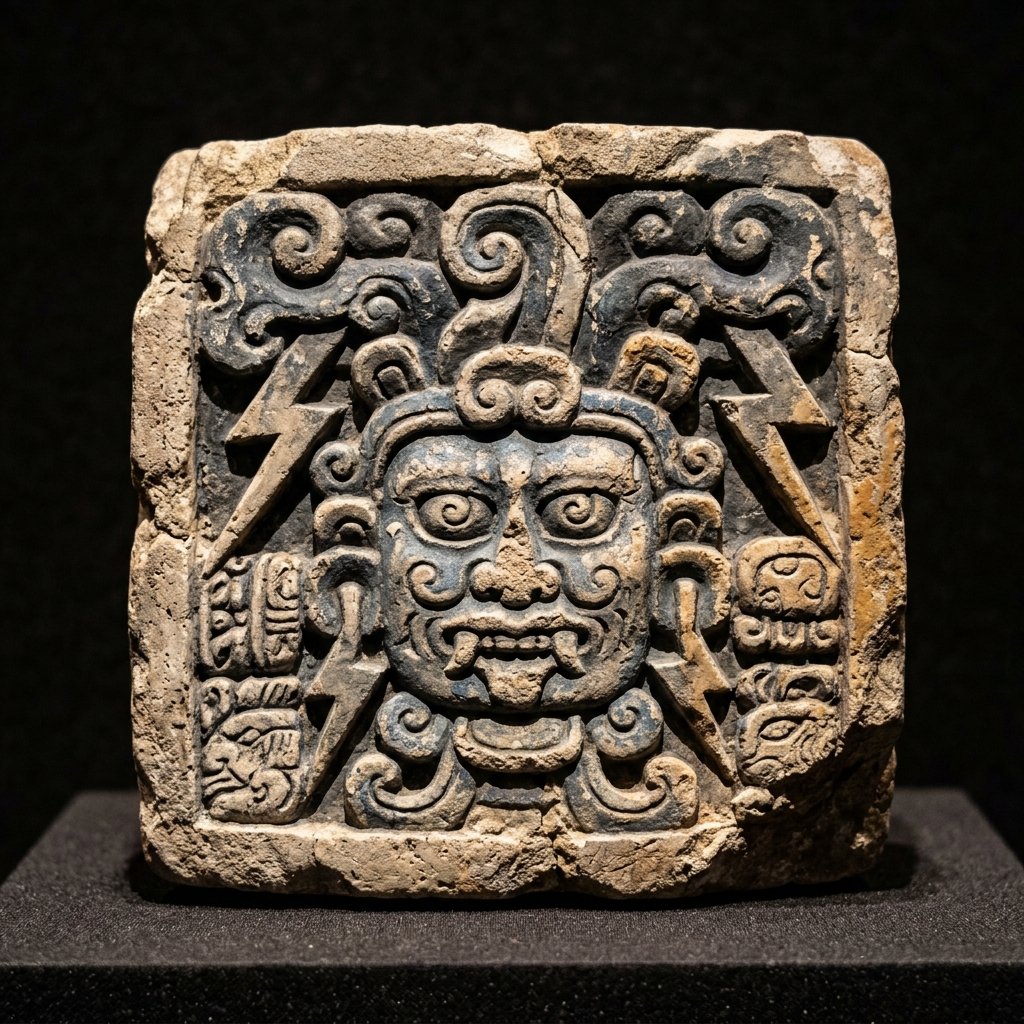
Etznab
The Flint · Day Sign 18 of 20
Who Is Etznab?
You cut through illusion with clarity and truth. The Flint represents the mirror of reality — you have the courage to face hard truths and the sharpness of mind to find solutions. Etznab people are the ones who tell you what you need to hear, not what you want.
In the Tzolk'in — the sacred 260-day calendar of the Maya — Etznab is the 18th of twenty day signs, each representing a fundamental archetype of human experience. Your day sign is determined by the day you were born, and it shapes your personality, your purpose, and the cosmic energy you carry through life.
Etznab is associated with the North direction, the element of Air, and the color White. In the Maya cosmological system, these associations connect you to specific natural forces, seasonal energies, and spiritual qualities.
Strengths of Etznab
Those born under the sign of Etznab carry remarkable natural gifts:
- Razor-sharp clarity
- Courageous truth-teller
- Excellent problem solver
- Sees through deception
- Natural mirror for others' growth
Challenges of Etznab
Every sign carries its shadow. The challenges of Etznab are not weaknesses — they are growth edges that, when worked with consciously, become your greatest sources of power:
- Can be harsh or blunt
- May create conflict
- Self-critical to extremes
- Can wound with words
- Tendency toward cold judgment
Etznab in Love & Relationships
Etznab loves with honesty and clarity. You have zero tolerance for games or deception. You need a partner who can handle direct communication and values truth as much as comfort.
Most Compatible Signs
Etznab shares the element of Air with these signs, creating natural resonance:
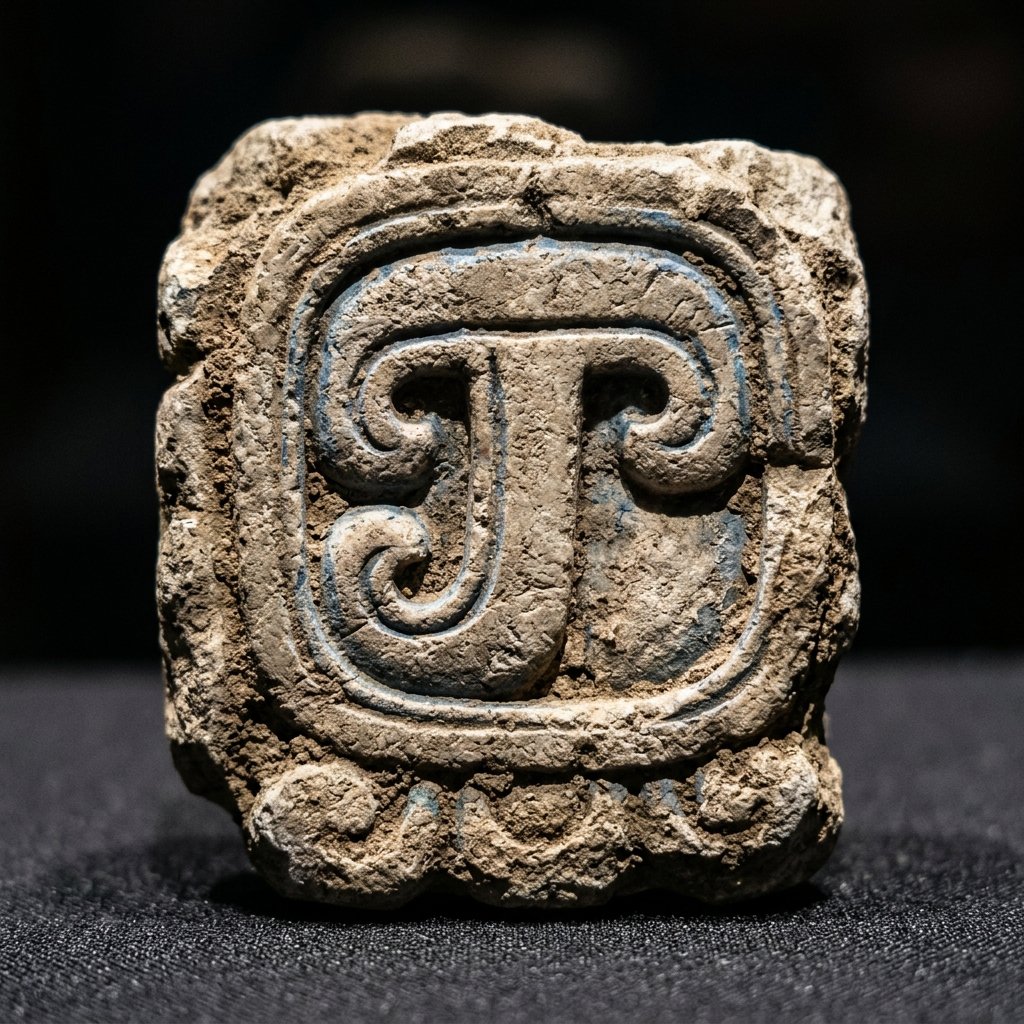
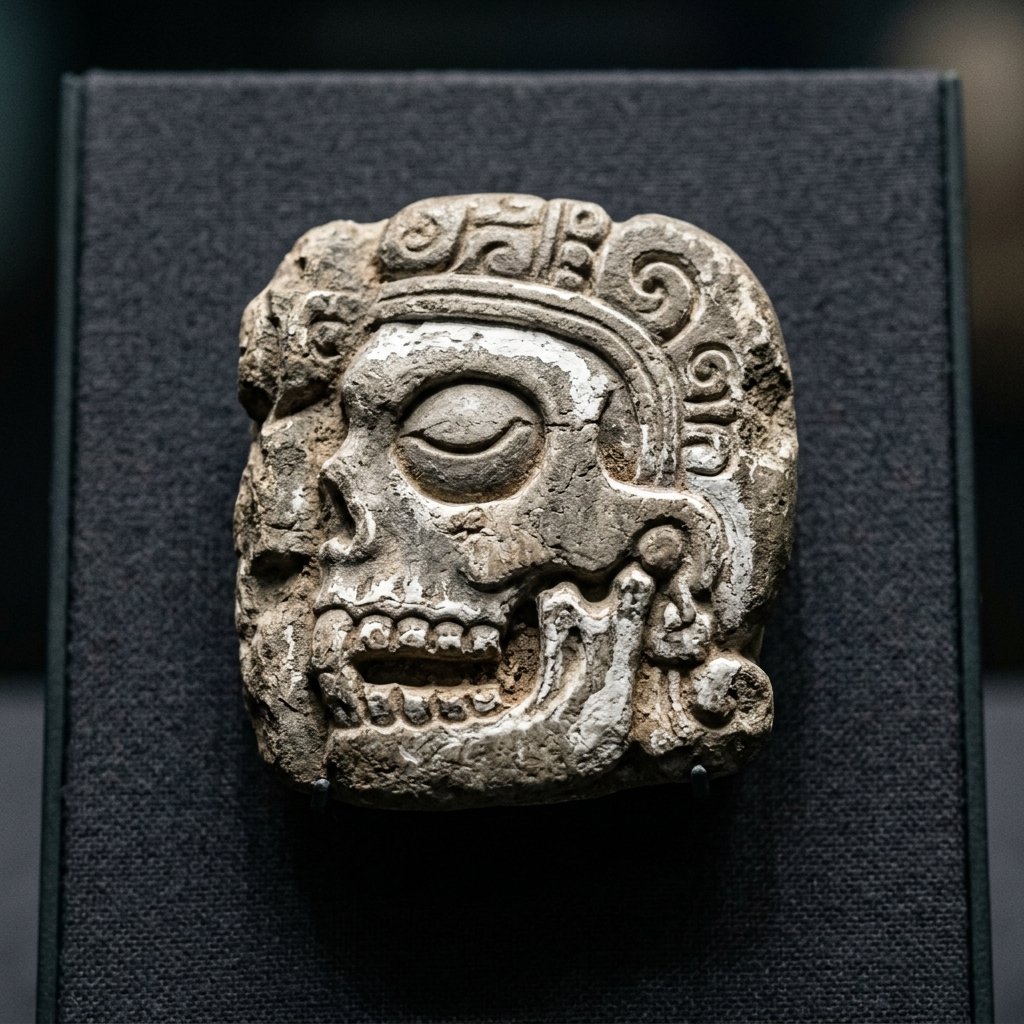
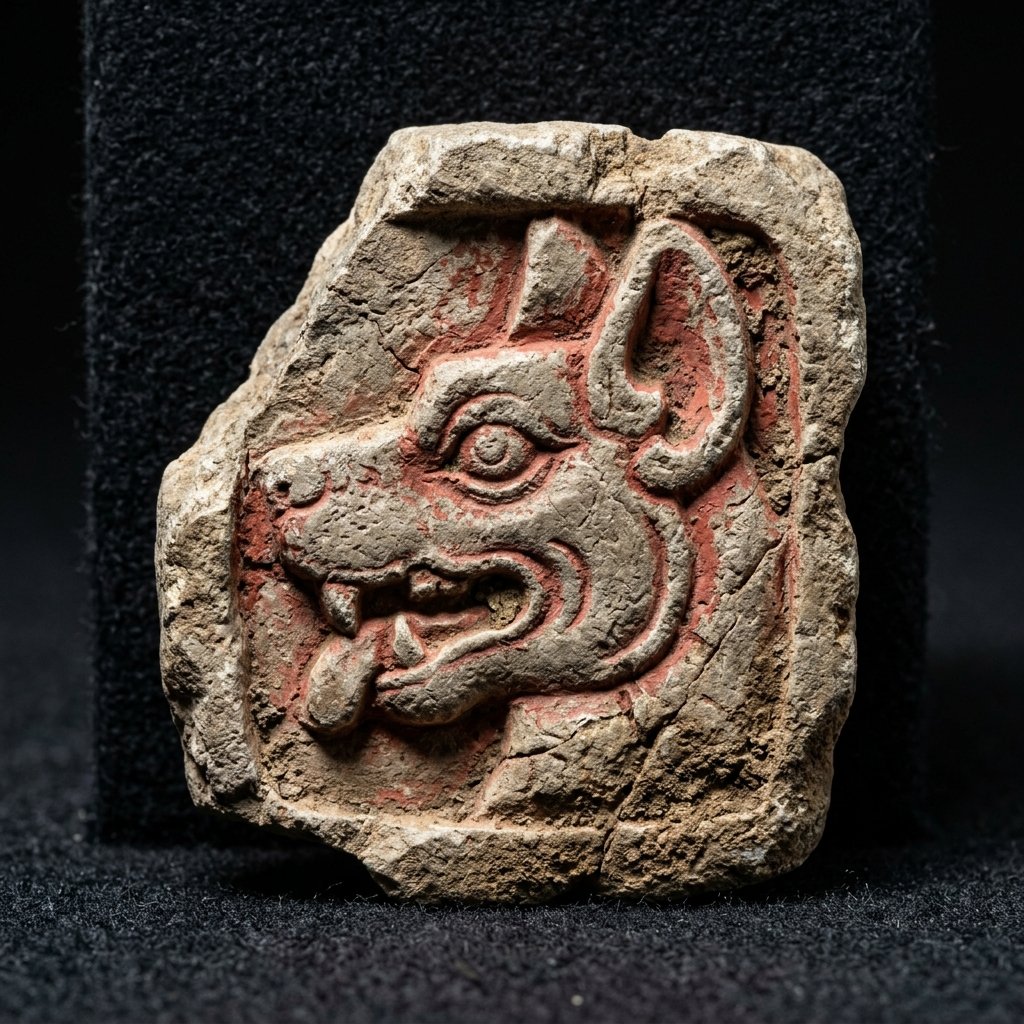
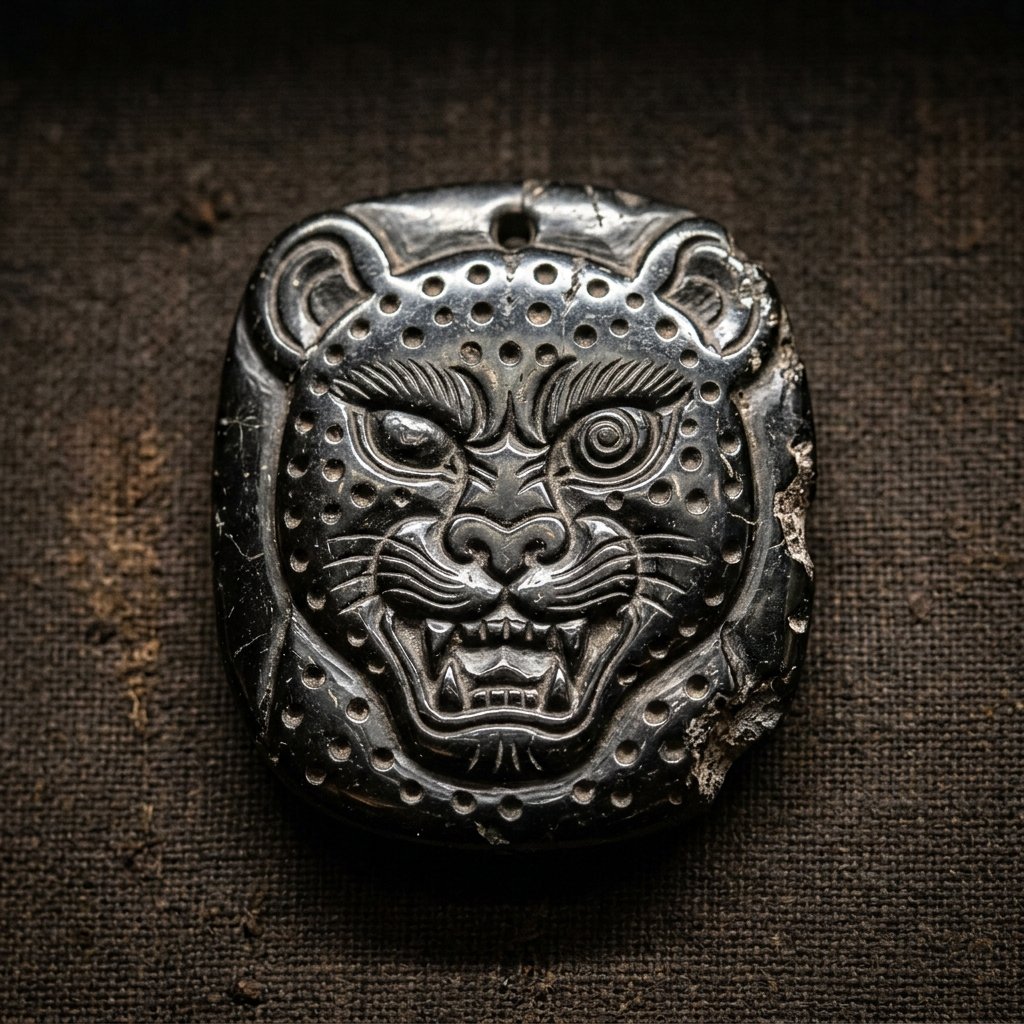
→ Check your compatibility with any birthday
Etznab Career & Life Path
Law, surgery, investigative journalism, editing, quality control, forensics, conflict resolution, criticism/review.
Famous Etznab People
Notable individuals believed to carry the Etznab energy: Ruth Bader Ginsburg, Christopher Hitchens
Note: Mayan astrology as presented on this site is a modern interpretation of the Tzolk'in calendar system. It draws on both academic research and contemporary practices, and should be enjoyed as a framework for self-reflection rather than a literal prediction system.
Etznab in History & Archaeology
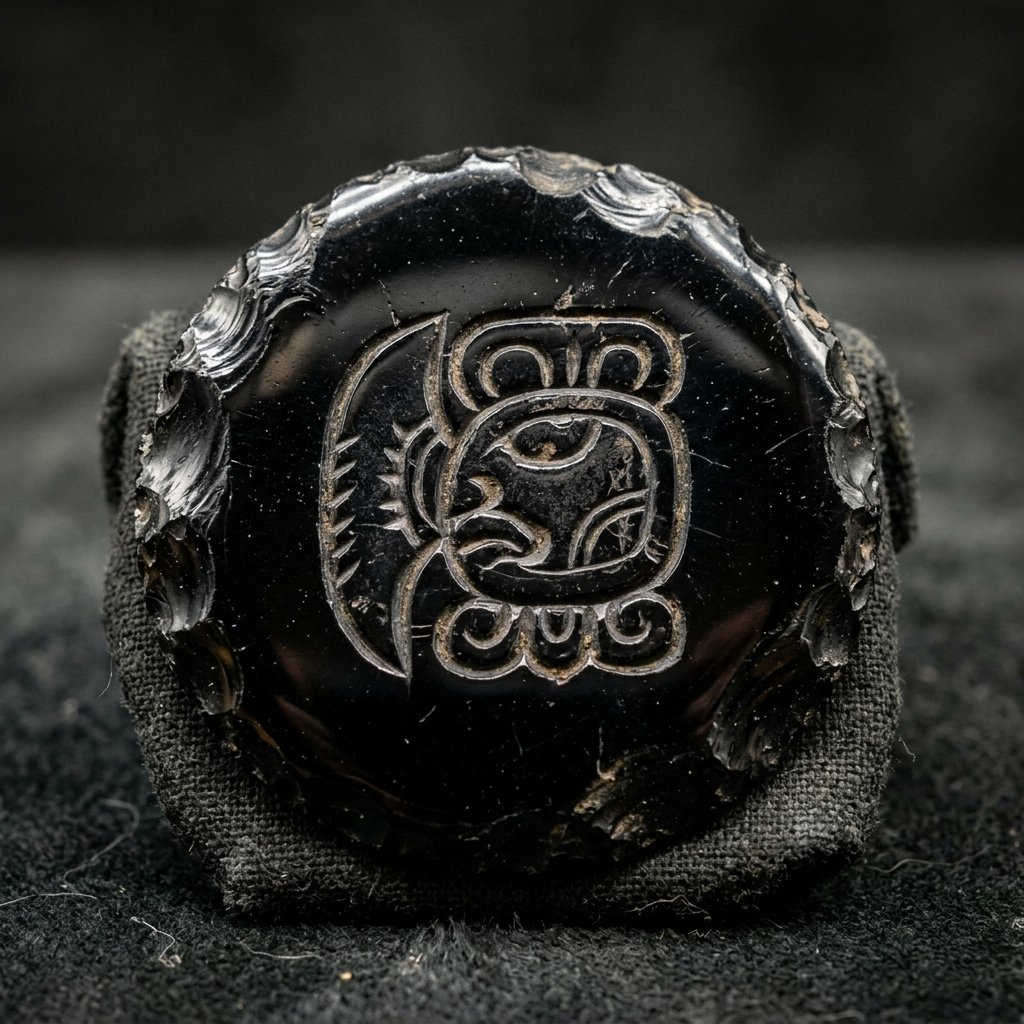
The Classic Glyph
The Etznab glyph depicts a flint knife or obsidian blade — the sharp-edged instrument used in both practical tool-making and sacred bloodletting rituals.
Archaeological Record
Obsidian and flint were among the most important trade goods in the Maya world. The obsidian workshops at El Chayal (Guatemala) and the flint quarries of northern Belize supplied raw materials across vast trade networks. Flint "eccentrics" — elaborately knapped stone objects shaped into figures, serpents, and deity profiles — represent some of the most technically demanding artistry in pre-Columbian America. Excavations at Copán uncovered caches of eccentric flints depicting "eccentric" (non-utilitarian) forms that served as ritual offerings consecrating buildings and monuments.
Cosmological Significance
The flint/obsidian blade was the instrument of bloodletting — the central ritual act in Classic Maya religion. Rulers, queens, and priests pierced their tongues, earlobes, and genitals with obsidian blades and stingray spines to offer their blood to the gods, conjure vision serpents, and communicate with ancestors. Linda Schele's pioneering research at Yaxchilán demonstrated that bloodletting was not merely sacrifice but a technology of communication — the pain and blood loss induced visionary states in which supernatural beings appeared. The flint/mirror association connects Etznab to the obsidian mirrors used for divination and scrying — tools for seeing truth that ordinary eyes cannot perceive.
Scholarly References
- Schele, L. & Miller, M.E. The Blood of Kings: Dynasty and Ritual in Maya Art. Kimbell Art Museum, 1986, pp. 175–208.
- Hruby, Z.X. "Reconstructing Maya Ritual Economy." In Stone Houses and Earth Lords, University Press of Colorado, 2007, pp. 144–164.
- Aoyama, K. "Classic Maya Warfare and Weapons: Spear, Dart, and Arrow Points of Aguateca and Copan." Ancient Mesoamerica, vol. 16, 2005, pp. 291–304.
The 13 Tones of Etznab
Your day sign is only half of your Tzolk'in identity. The other half is your tone number — a number from 1 to 13 that modifies and refines the energy of your sign. If your sign is what you are, your tone is how you express it.
→ Find your exact tone number with our calculator
Frequently Asked Questions
What does it mean to be born on Etznab?
Being born on Etznab means the day you entered the world was governed by the energy of the Flint. In Maya cosmology, this shapes your personality, strengths, challenges, and life purpose.
Is Etznab the same as a Western zodiac sign?
No. The Maya Tzolk'in system is completely independent of Western astrology. While Western signs are based on the sun's position among constellations, Maya day signs are based on a 260-day sacred calendar cycle.
How do I know if I'm a Etznab?
Use our Mayan Sign Calculator — enter your birth date and it will calculate your exact day sign and tone number using the same mathematical system the ancient Maya used.
What element is Etznab?
Etznab is associated with the element of Air and the North direction. This connects you to other Air signs and the energies of that element.
 Caban
Caban