The Jaguar Symbol at a Glance
The Apex Predator of the Cosmos
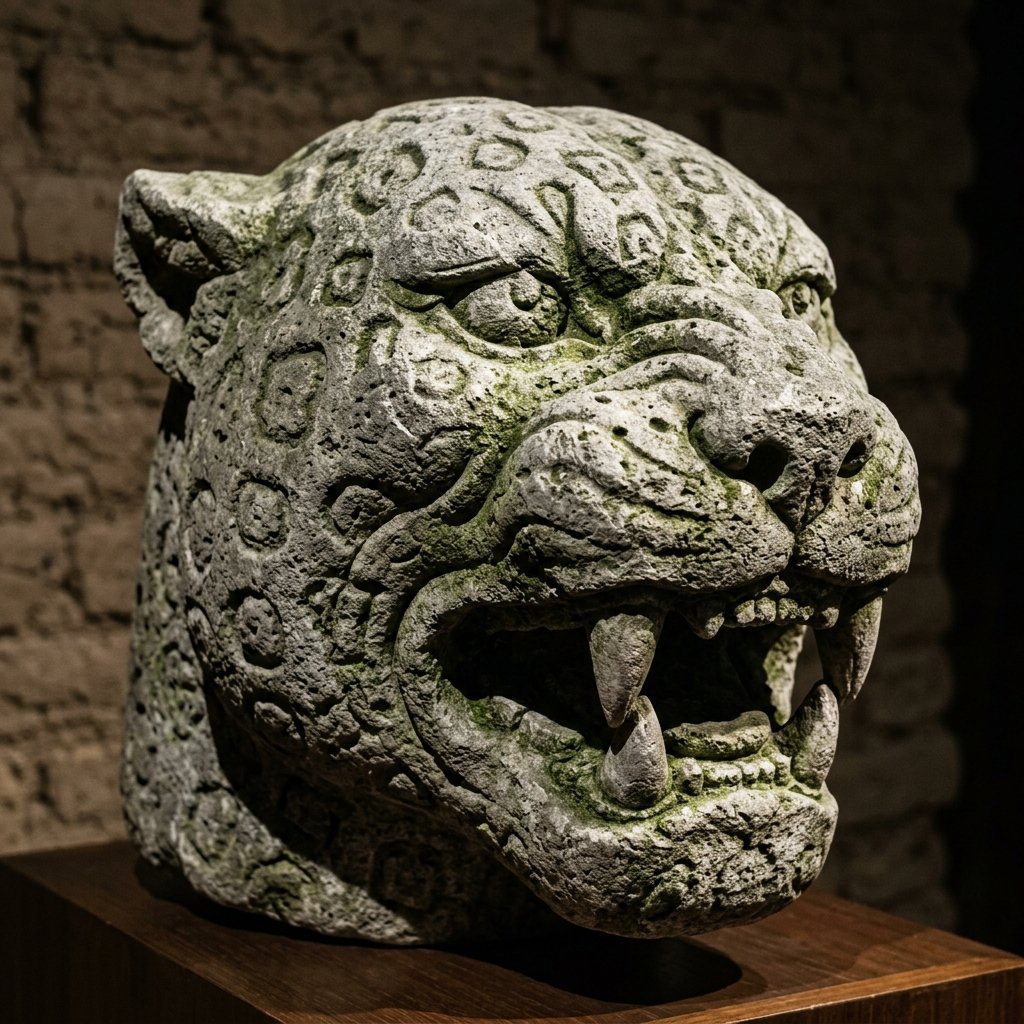
In the dense tropical forests of Mesoamerica, no animal commanded more fear and respect than the jaguar (Panthera onca). As the apex predator of the jungle, with its muscular build, bone-crushing bite, and ability to hunt in the water, in the trees, and on the ground, the jaguar was the natural king of the animal world.
For the ancient Maya, the physical supremacy of the jaguar translated directly into spiritual and political supremacy. The word for jaguar—b'alam—also functioned as a title for priests and kings. To wear the pelt of a jaguar was to claim its deadly power and its undisputed dominion over the earthly realm.
The Sun in the Underworld
The jaguar's symbolic power was deeply tied to Maya cosmology and the passage of time. The Maya believed that when the sun (Kinich Ahau) set in the west, it died and entered Xibalba, the dangerous, watery underworld.
To survive this nightly journey through the realm of death, the sun transformed into the Jaguar God of the Underworld. The jaguar's nocturnal hunting habits and its spotted coat—which the Maya likened to the starry night sky—made it the perfect avatar for the sun in darkness.
This connection meant that the jaguar was fundamentally a creature of duality: it represented the dark, hidden, and dangerous aspects of the cosmos, but it also contained the promise of the sun's triumphant return at dawn (Miller, M. & Taube, K., The Gods and Symbols of Ancient Mexico and the Maya, 1993, p. 104).
Signs of Royalty: Thrones and names
Because the jaguar was the ruler of the animal kingdom and the master of the night sun, its imagery was strictly monopolized by the human ruling class.
- Jaguar Thrones: Maya kings are frequently depicted sitting on cushions draped with jaguar pelts, or on solid stone thrones carved in the shape of jaguars. A famous, bright red jaguar throne with jade spots was discovered hidden deep inside the El Castillo pyramid at Chichén Itzá.
- Royal Names: Many of the greatest Maya kings incorporated b'alam into their names to project martial ferocity. Examples include Yaxnuun B'alam (Bird Jaguar) and Itzamnaaj B'alam (Shield Jaguar) of Yaxchilán, and K'inich Kan B'alam (Radiant Snake Jaguar) of Palenque.
- Military Orders: Maya armies featured elite "jaguar warriors" who entered battle wearing jaguar skins and helmets carved to look like the animal's open jaws, intended to terrify their enemies.
The Jaguar in Mythology
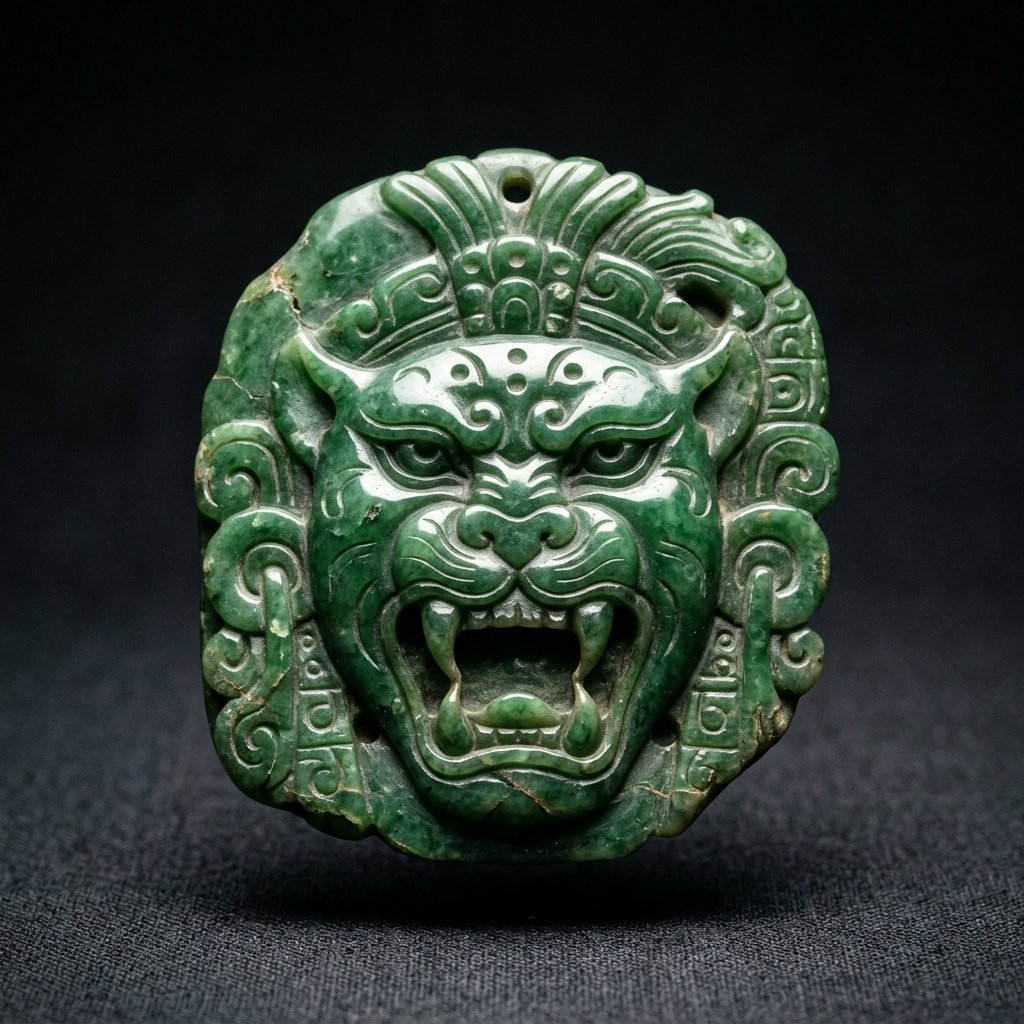
Beyond its association with the sun and the king, the jaguar appears throughout Maya myth as a figure of specialized, sometimes dangerous power. The Hero Twins of the Popol Vuh must survive a night in the Jaguar House, where they trick the hungry beasts by feeding them bones.
Furthermore, several major deities had strong jaguar associations. God L, the wealthy lord of the underworld, sits on a jaguar pelt and has a jaguar ear. Goddess O (Chak Chel), the destructive aspect of the moon goddess, often features jaguar claws and ears, emphasizing her predatory nature.
References
- Benson, E.P. The Antiquity of the Jaguar in the Maya World. In The Lords of the Underworld, Princeton University Press, 1998.
- Miller, M. & Taube, K. The Gods and Symbols of Ancient Mexico and the Maya. Thames & Hudson, 1993.
- Saunders, N.J. People of the Jaguar: The Living Spirit of Ancient America. Souvenir Press, 1989.
- Schele, L. & Miller, M.E. The Blood of Kings: Dynasty and Ritual in Maya Art. Kimbell Art Museum, 1986.
Frequently Asked Questions
What does the jaguar represent in Maya culture?
The jaguar represents power, ferocity, the night, and royal authority. As the apex predator of the Mesoamerican jungle, it was seen as the natural counterpart to human kings. It also represented the sun during its dark, dangerous journey through the underworld at night.
Did Maya kings wear real jaguar skins?
Yes. Jaguar pelts were highly prized luxury goods heavily controlled by the royal court. Kings used them as cushions for their thrones, wore them as capes, and fashioned them into elaborate battle garments to channel the animal's predatory power during warfare.
What is the Jaguar God of the Underworld?
The Jaguar God of the Underworld is the nocturnal manifestation of the sun. When the sun set each evening, the Maya believed it died and traveled through the realm of the dead. To survive this perilous journey, the sun transformed into a fierce jaguar, whose spotted coat represented the starry night sky.