
The Core Tension
This article is about how we know what we know — epistemology — applied to the specific case of ancient American civilizations. It does not argue that science is superior to faith or that faith is immune to science. It argues that understanding the rules of evidence each tradition uses is the prerequisite for any productive conversation between them.
Two Toolkits, One Past
Archaeology and faith-based interpretation both claim to describe the same historical reality. But they use fundamentally different methods:
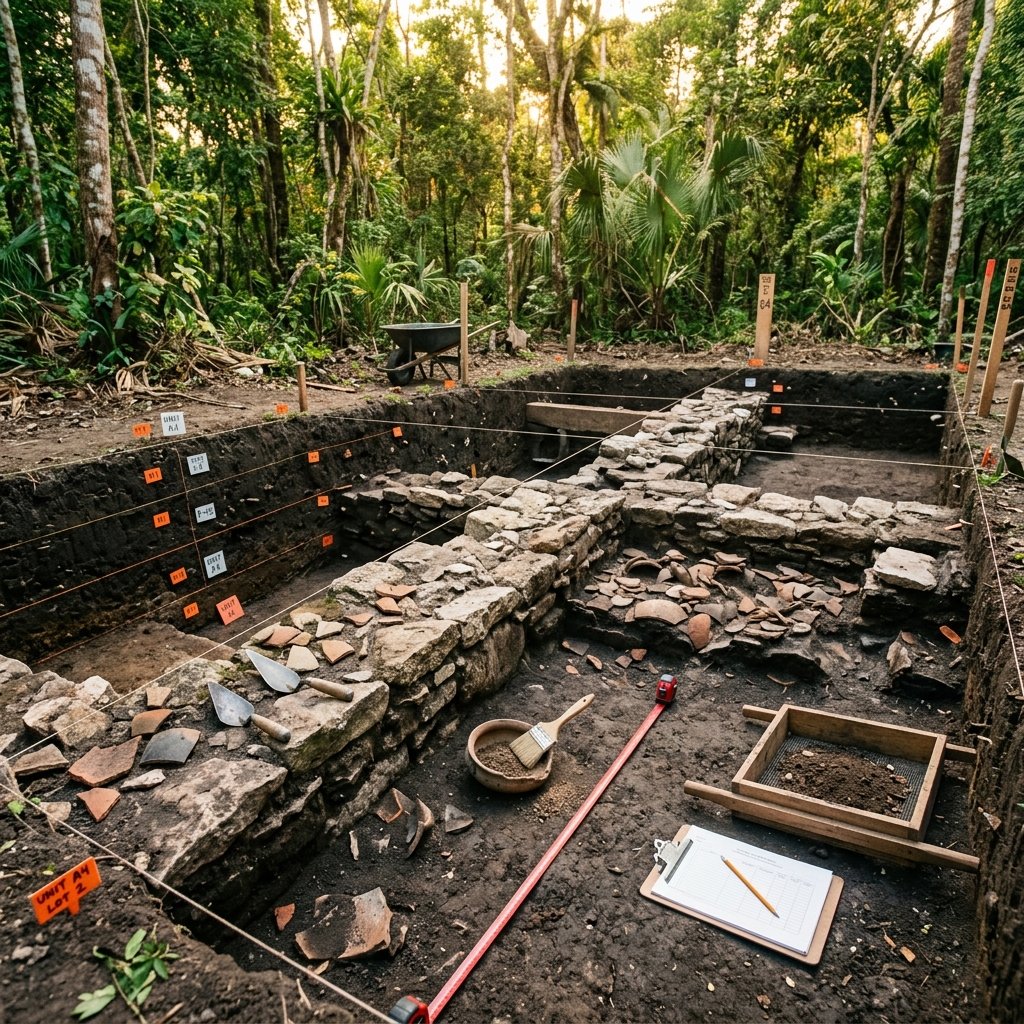
Archaeology
- Evidence: Material remains — artifacts, buildings, bones, soil chemistry
- Method: Hypothesis → test → revise. Claims must be falsifiable
- Authority: Peer review. Consensus built through replication
- Limitation: Can only speak to what survives physically. Absence of evidence ≠ evidence of absence
- Strength: Self-correcting. LiDAR overturned decades of assumptions
Faith-Based Interpretation
- Evidence: Sacred texts, personal revelation, tradition, historical testimony
- Method: Exegesis, prayer, spiritual confirmation
- Authority: Scriptural authority, prophetic leadership, community consensus
- Limitation: Claims are often unfalsifiable by design. Not subject to external peer review
- Strength: Provides meaning, purpose, and moral framework that science cannot
Where They Agree
Despite their differences, there are areas of genuine overlap that both archaeology and faith-based scholarship can endorse:
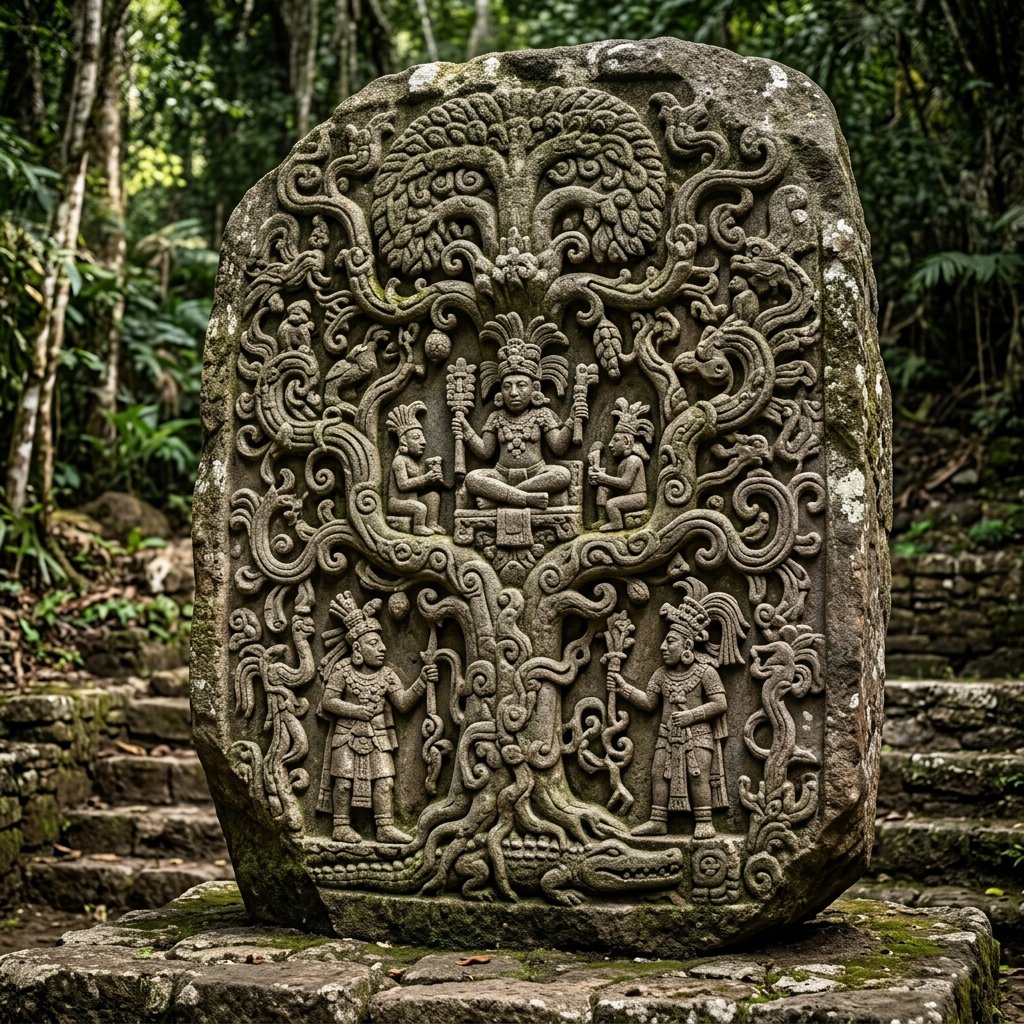
- Ancient America was home to sophisticated civilizations with writing, mathematics, astronomy, and monumental architecture
- These civilizations were far larger than previously understood — LiDAR has confirmed this for both camps
- The Classic Maya Collapse was real and devastating — both traditions describe civilizational catastrophe
- The Popol Vuh and other indigenous texts contain genuine historical information embedded in mythological frameworks
- Pre-Columbian transoceanic biological transfer occurred — the sweet potato, cotton, and bottle gourd prove that the oceans were not absolute barriers
Where They Collide
And here are the pressure points — the specific questions where the two approaches produce irreconcilable answers:
- DNA: Genetic studies show no Near Eastern ancestry in Native American populations at scale. Faith-based scholars invoke small founding populations. The disagreement is about what the silence means (Bolnick et al., AJPA, 2006).
- Horses and steel: The Book of Mormon mentions items not confirmed archaeologically. Loan-shift theory vs. absence of evidence — each side finds the other's explanation unsatisfying.
- Epigraphic silence: No Hebrew or Egyptian text has been found. Faith says it may yet be found — or may have been on perishable materials. Archaeology says you can't build a case on hypothetical evidence.
The Third Way: Productive Coexistence
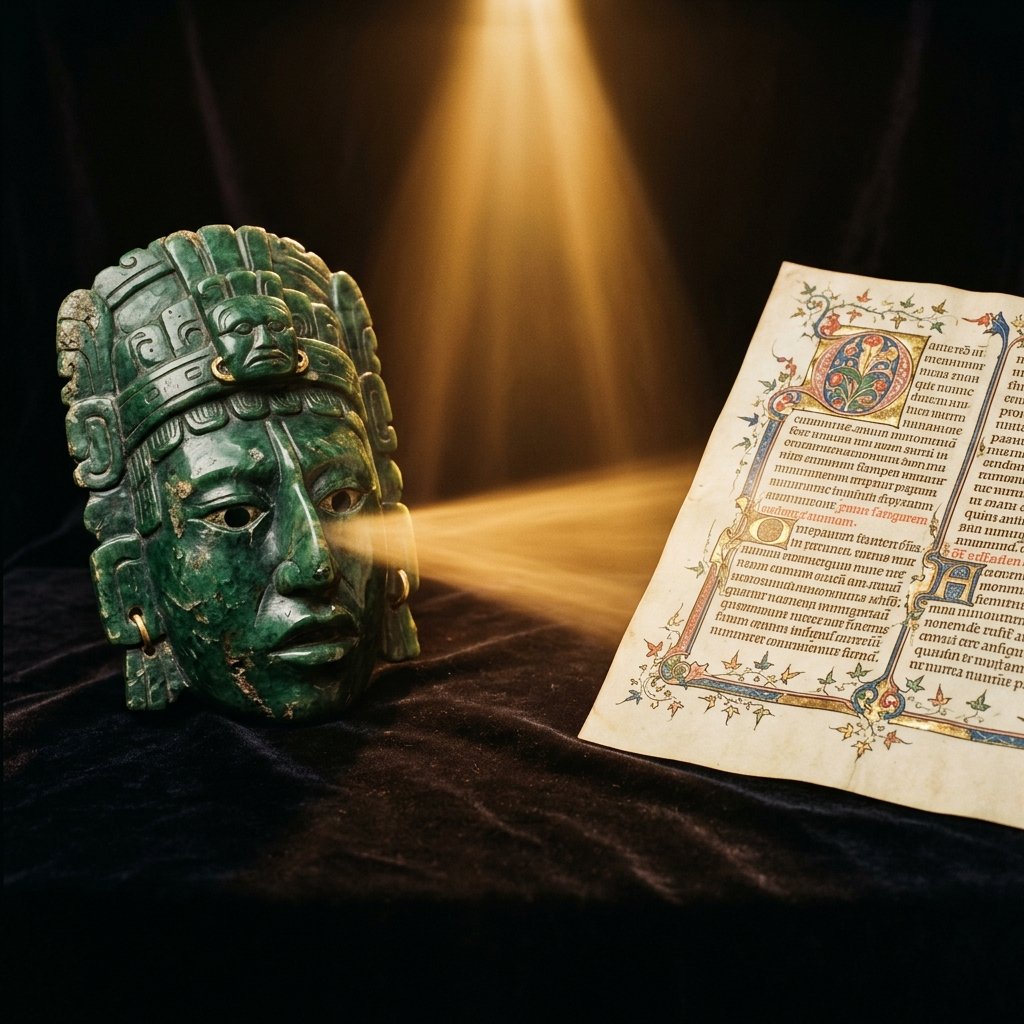
The most intellectually interesting people in this space are those who refuse to choose a team. Scholars like Terryl Givens, a University of Richmond professor, have argued that the Book of Mormon can be studied as literature, as theology, and as a historical claim simultaneously — and that the richest understanding comes from holding all three lenses at once (Givens, By the Hand of Mormon, 2002).
Similarly, the best Mesoamerican archaeologists acknowledge that indigenous perspectives on their own past — including mythological and spiritual frameworks — often contain genuine historical information that purely materialist approaches miss. The Popol Vuh's description of migration from the east, multiple creation ages, and catastrophic destruction may encode real events in a narrative form that archaeology is only now learning to decode.
The late Michael Coe, Sterling Professor of Anthropology at Yale, wrote extensively about the need for "intellectual humility" in approaching Mesoamerican civilizations. His observation that "every decade we discover that we were more wrong than we thought" applies equally to both archaeological and theological certainties.
"The past is not owned by archaeology any more than it is owned by religion. It is owned by everyone — and understood best by those willing to look at it from more than one angle."
— Terryl Givens, By the Hand of Mormon, 2002
Frequently Asked Questions
Can you be a serious scientist and believe in the Book of Mormon?
Yes. Many credentialed scientists — including geneticists, geologists, and anthropologists — are practicing members of the LDS church. The key is intellectual honesty about what the evidence does and does not show, and clarity about which claims are scientific and which are matters of faith. These are different categories with different rules of evidence.
References & Further Reading
- Givens, T. L. (2002). By the Hand of Mormon: The American Scripture That Launched a New World Religion. Oxford University Press.
- Bolnick, D. A., et al. (2006). "Asymmetric male and female genetic histories among Native Americans." AJPA, 129(3), 420–432.
- Fagan, G. G., ed. (2006). Archaeological Fantasies. Routledge.
- Wylie, A. (2002). Thinking from Things: Essays in the Philosophy of Archaeology. UC Press.