The Mystery
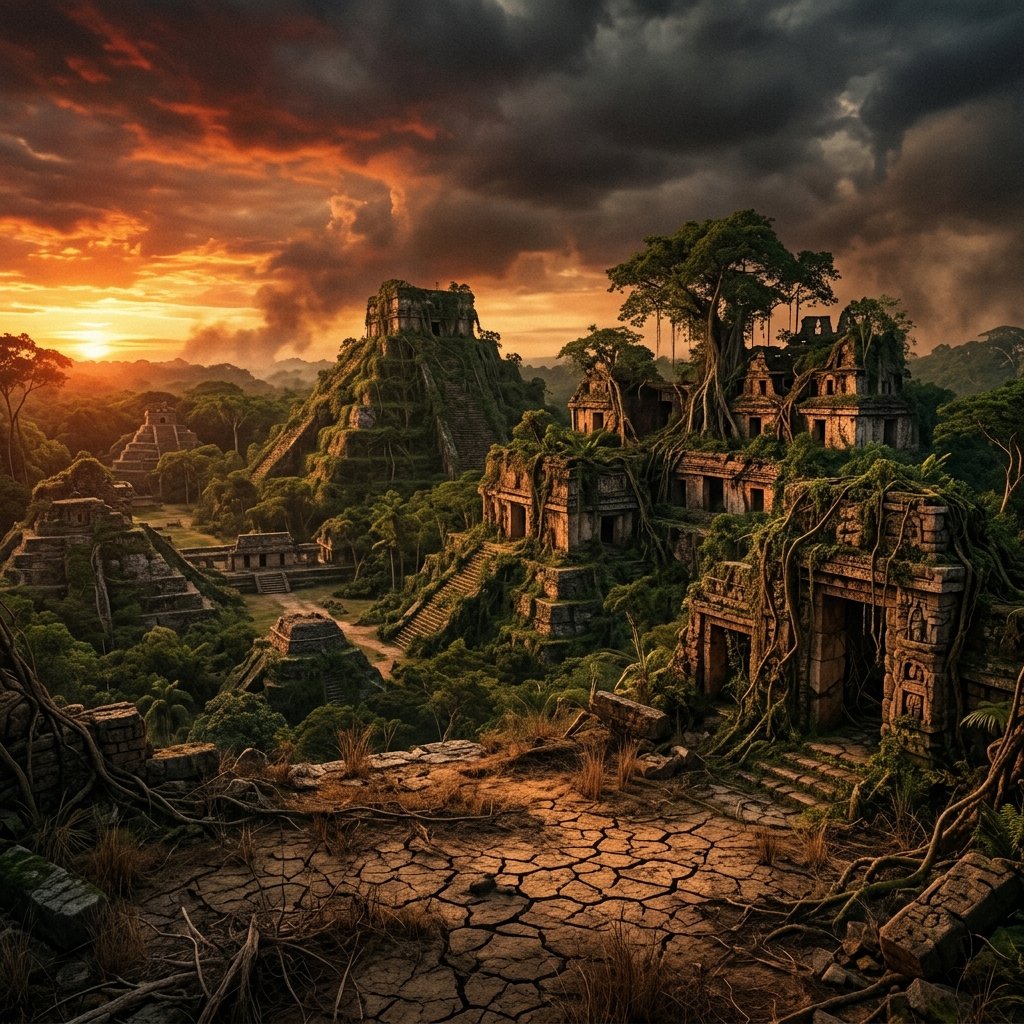
Between approximately 800 and 1000 AD, the great Maya cities of the southern lowlands — cities that had thrived for centuries with populations in the tens of thousands — were abandoned. Construction stopped. Monuments ceased to be carved. Populations vanished from the archaeological record. The most brilliant civilization in the Americas entered a devastating decline. What happened?
What We Know
The Classic Maya Collapse is one of the most studied — and most debated — events in archaeology. It was not a single catastrophic event but a rolling process that unfolded differently across different regions over roughly 200 years. Some cities died quickly. Others lingered for decades. A few (like Lamanai in Belize) never collapsed at all.
The Leading Theories
Megadrought
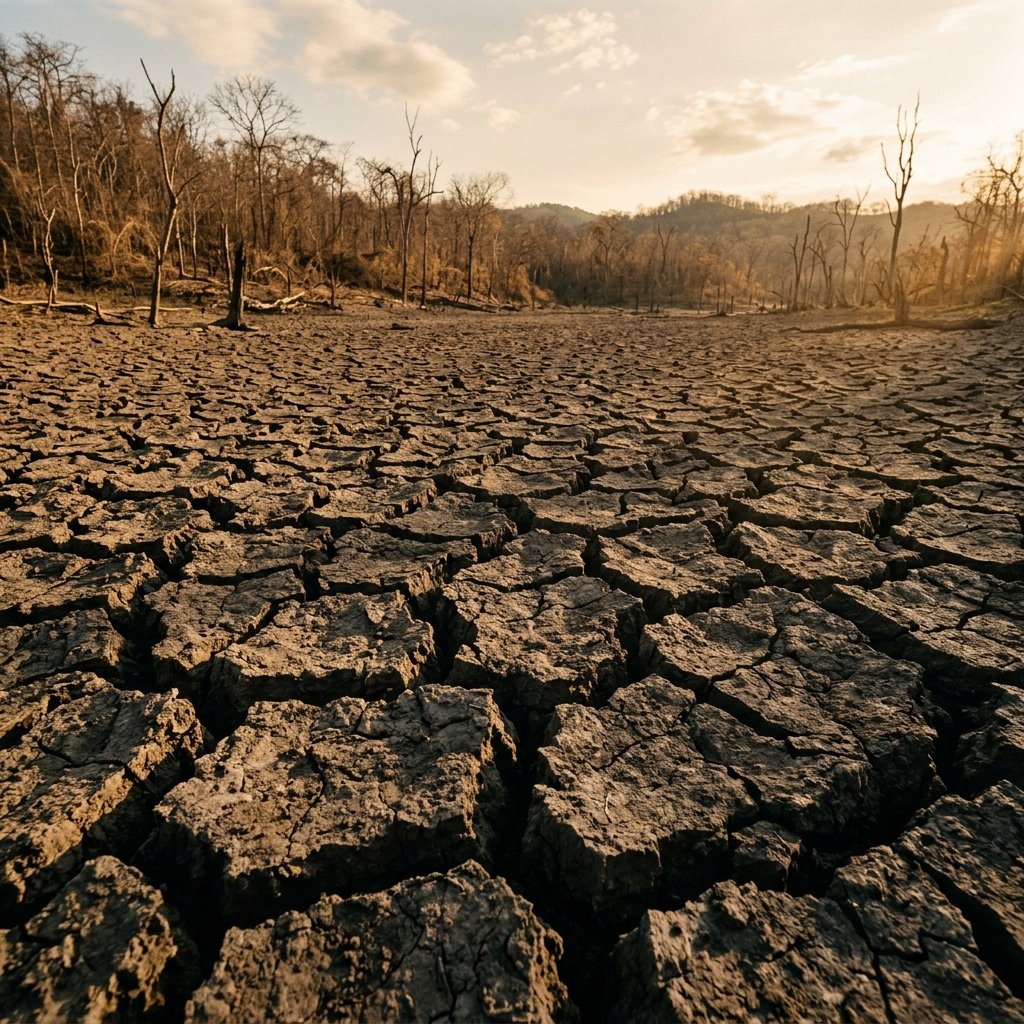
Paleoclimate data from lake sediment cores, cave speleothems, and ocean records consistently show that the 9th century saw some of the most severe droughts in 7,000 years. For a civilization dependent on seasonal rainfall for maize agriculture — with no rivers in the Yucatan limestone landscape — prolonged drought could be catastrophic. The drought theory is currently the most widely supported explanation.
Hodell, Curtis & Brenner (1995), "Possible role of climate in the collapse of Classic Maya civilization," Nature, 375, 391–394.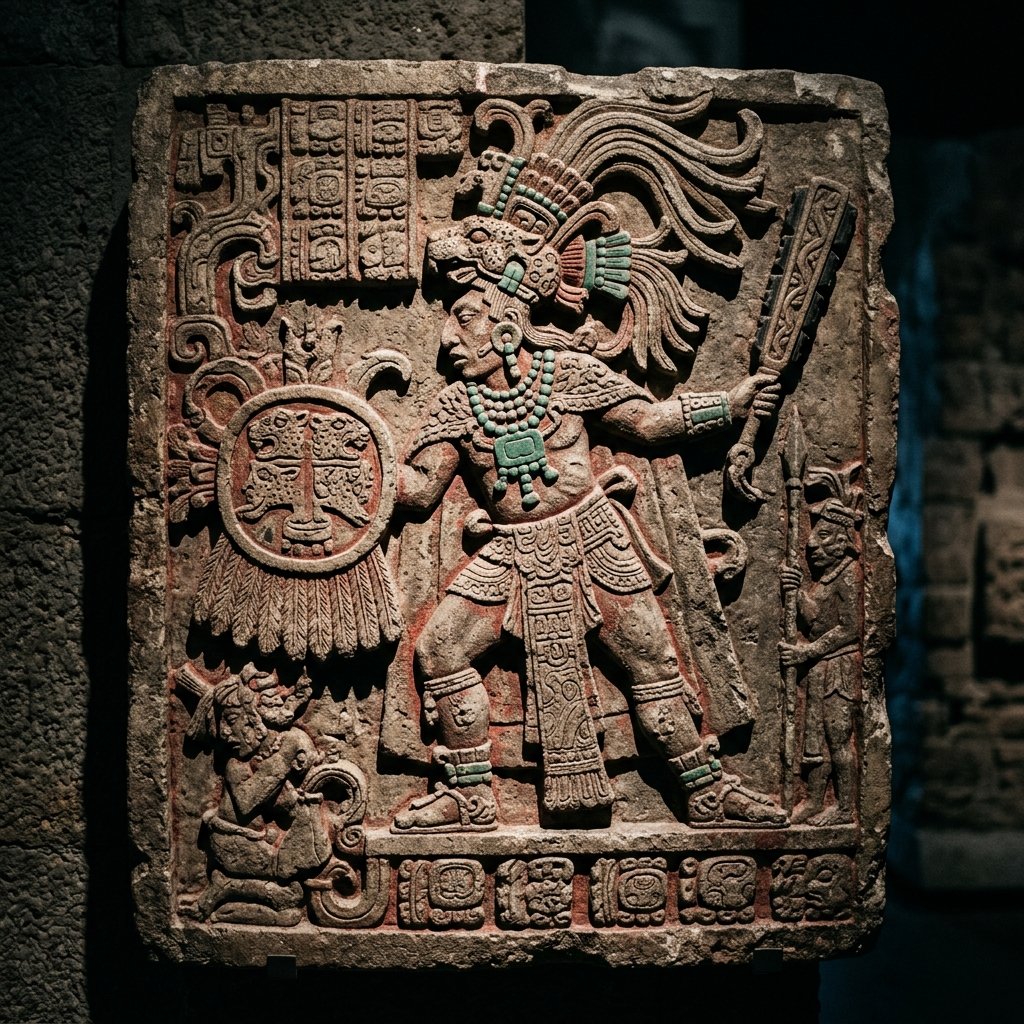
Endemic Warfare
The 8th century saw an escalation of inter-city warfare to levels not previously seen. The great rivalry between Tikal and Calakmul, and the chain of alliances and conflicts it generated, destabilized the entire region. Defeated cities lost populations, agricultural labor, and trade networks. War-related destruction of farmland could have amplified drought effects.
Martin & Grube (2000), Chronicle of the Maya Kings and Queens.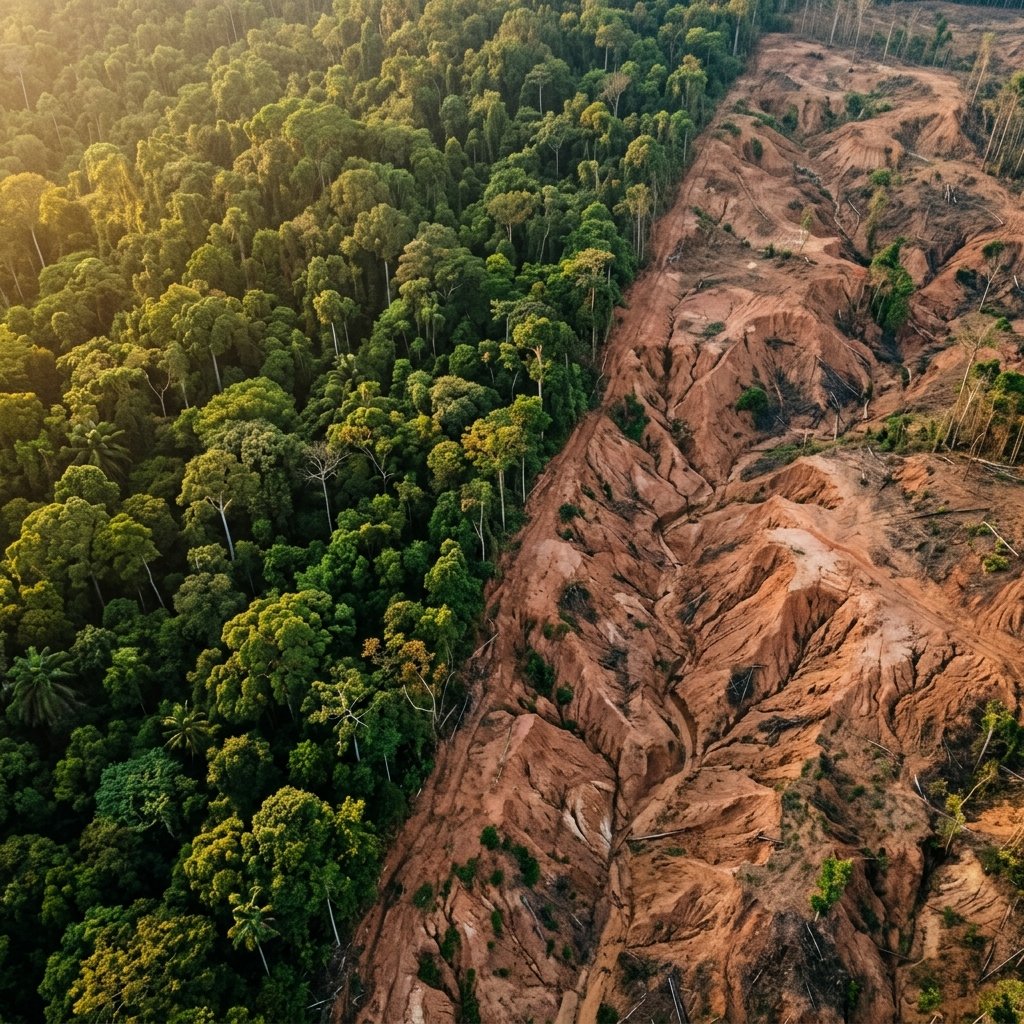
Ecological Collapse
LiDAR surveys reveal that the Maya cleared far more forest than previously imagined. Deforestation for agriculture and construction could have altered local rainfall patterns, increased erosion, degraded soils, and created a feedback loop that made drought effects worse. Some areas show evidence of severe soil depletion by the Late Classic.
Canuto et al. (2018), "Ancient lowland Maya complexity as revealed by airborne laser scanning," Science, 361(6409).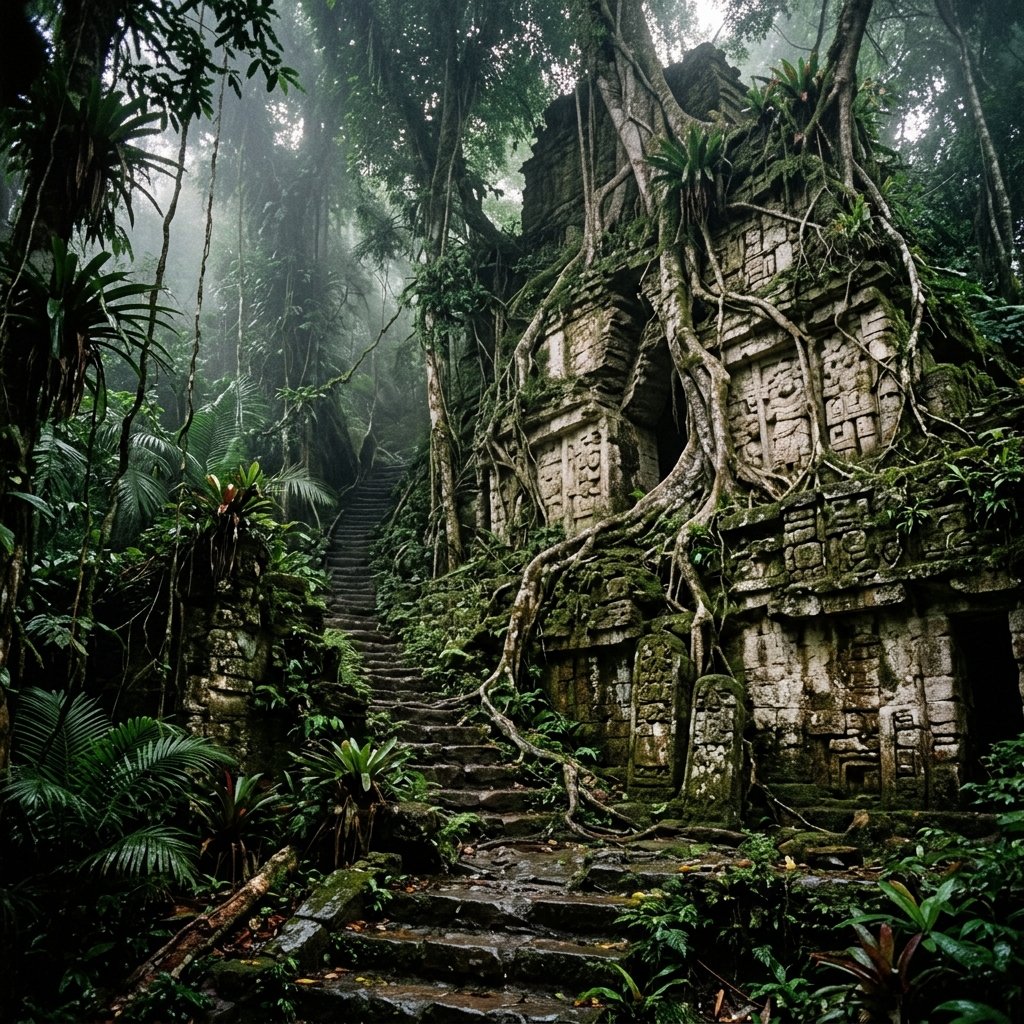
Political Fragmentation
Maya "divine kingship" rested on the belief that the king could intercede with the gods for rain and prosperity. When the rains failed despite royal rituals, the legitimacy of the divine king collapsed. Without political authority, the complex systems of tribute, trade, and labor that sustained large cities disintegrated.
Demarest (2004), Ancient Maya: The Rise and Fall of a Rainforest Civilization.The Synergy Theory Current Consensus
Most scholars today believe the collapse was caused by a synergy of all these factors: drought stressed the agricultural system; warfare destroyed what remained; deforestation amplified ecological vulnerability; and the failure of divine kingship to solve the crisis destroyed political cohesion. No single cause was sufficient — but together, they were devastating.
Webster (2002), The Fall of the Ancient Maya. Thames & Hudson.What Didn't Collapse
The term "collapse" is somewhat misleading. It specifically refers to the end of the Classic Period political system — the divine kingship, monumental construction, and hieroglyphic tradition of the southern lowlands. But:
- Northern Yucatan cities like Chichén Itzá and Uxmal thrived during and after the southern collapse
- Maya people didn't disappear — populations migrated and reorganized
- Maya languages, religions, and cultural practices continued and continue to this day
- The Postclassic period (900–1500 AD) saw new forms of Maya political and economic organization
Modern Parallels
The Classic Maya Collapse has become a cautionary tale for modern environmental science. The parallels are uncomfortable: a civilization that overexploited its environment, engaged in destructive competition for resources, and faced climate change it couldn't control. The Maya case demonstrates that even sophisticated, intellectually brilliant civilizations can fail when environmental limits are exceeded.
Frequently Asked Questions
Did the Maya really disappear?
Absolutely not. Over 6 million Maya people live in Mexico, Guatemala, Belize, and Honduras today. What "collapsed" was the Classic Period political system — the great city-states and their divine kings. The people, their languages, and many cultural traditions survived and continue to this day.
Could it happen to us?
Climate scientists and archaeologists have drawn explicit parallels between the Maya collapse and modern civilization's vulnerability to climate change, environmental degradation, and resource competition. The lesson isn't that collapse is inevitable — it's that civilizations must adapt to environmental limits or face consequences.