
What This Article Covers
This article traces the history of the Israelite-American connection theory, from its 16th-century origins through modern genetic and archaeological research. We present the strongest evidence on both sides and identify the small number of genuinely unresolved questions that keep this debate alive in academic and religious circles.
The History of the Idea
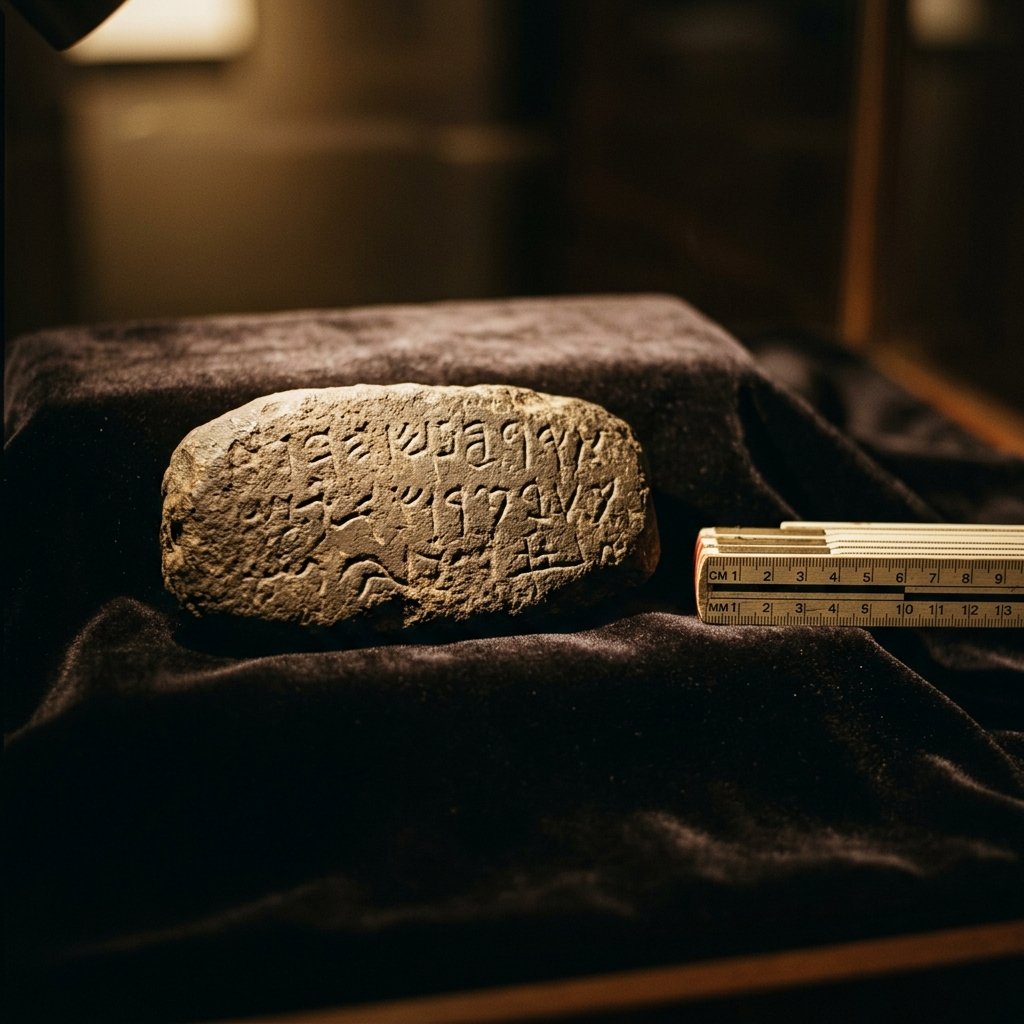
The theory that Native Americans descended from ancient Israelites is not a modern invention. It has been proposed continuously for 500 years:

The Scientific Consensus

Modern genetic, linguistic, and archaeological evidence overwhelmingly supports the mainstream model: the indigenous peoples of the Americas descend primarily from Siberian/East Asian populations who crossed Beringia (the Bering land bridge) during the Late Pleistocene, approximately 15,000–20,000 years ago.
Large-scale autosomal DNA studies of Native American populations have consistently found East Asian genetic signatures as the dominant ancestry component, with no statistically significant Near Eastern genetic contribution at the population level. The most comprehensive study — Reich et al. (2012) in Nature, analyzing genome-wide data from 52 Native American populations — confirmed three distinct waves of migration from East Asia, none of which show Near Eastern admixture.
The Puzzles That Persist
Despite the strong consensus, a small number of observations continue to generate scholarly discussion. These are not "proof" of Near Eastern migration — but they are genuine anomalies that resist easy explanation, and honest scholarship requires acknowledging them rather than sweeping them under the rug.

Haplogroup X2
Mitochondrial haplogroup X2 is found in both Near Eastern and Native American populations (particularly among the Ojibwe, Sioux, and other northeastern groups) but is absent from Siberian/East Asian populations — the presumed ancestral homeland. This distribution pattern has generated theoretical interest in a possible separate migration route. However, the American and Near Eastern X2 lineages diverged an estimated 20,000+ years ago, far predating the historical periods relevant to Israelite migration theories (Reidla et al., American Journal of Human Genetics, 2003).
Pre-Columbian Transoceanic Contact
Several biological indicators suggest at least some pre-Columbian transatlantic or transpacific contact occurred. Sweet potato DNA links Polynesia and South America before European contact (Roullier et al., PNAS, 2013). Bottle gourds found their way from Africa to the Americas thousands of years ago. Cultivated New World cotton shows Old World tetraploid ancestry. While none of these prove Near Eastern contact specifically, they demonstrate that the oceans were not impassable barriers.
Cultural Parallels
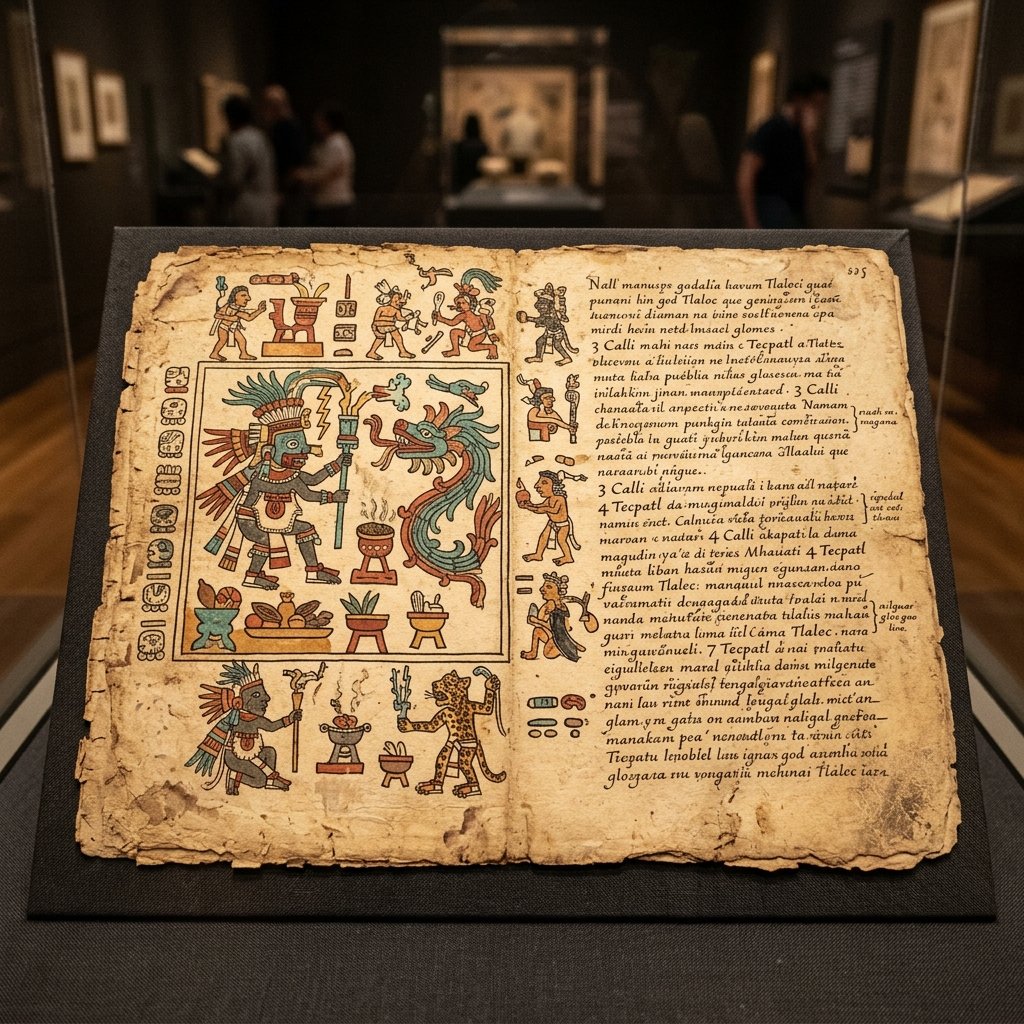
Certain cultural parallels between Mesoamerica and the ancient Near East — flood narratives, tree-of-life symbolism, stepped-pyramid construction, calendrical sophistication, and scribal traditions — are documented by both mainstream comparative mythologists and LDS researchers, though they attribute the parallels to different causes (universal archetypes vs. direct transmission). The Popol Vuh, the K'iche' Maya creation narrative, describes migration from "the East" and a creator deity who shapes humanity from maize — thematic echoes of Near Eastern creation accounts that have generated sustained scholarly interest.
Where Serious Inquiry Stands
The responsible position on this question involves holding two ideas simultaneously:
- The overwhelming weight of genetic and archaeological evidence supports indigenous American development of Mesoamerican civilizations without significant Near Eastern input.
- The question of pre-Columbian transoceanic contact — in general, not specifically Israelite — remains more open than popular presentations suggest. The sweet potato, cotton, and haplogroup X2 data indicate that our understanding of ancient human migration is still incomplete.
As molecular anthropologist Ripan Malhi writes, "The peopling of the Americas is more complex than any single model can capture" (Malhi et al., Current Biology, 2010).
Frequently Asked Questions
Is there any DNA evidence for Israelites in the Americas?
No population-level Near Eastern genetic signature has been detected in Native American DNA. However, population geneticists acknowledge that a very small founding group could potentially become undetectable through genetic drift and admixture over two millennia — making the absence of evidence not necessarily evidence of absence at the level of small groups. The haplogroup X2 distribution remains a minor unresolved puzzle.
What do Native American communities think about these theories?
Many Native American scholars and communities find Israelite-origin theories problematic, viewing them as minimizing the independent cultural achievements of indigenous peoples. This is an important perspective that should be respected in any discussion of the topic. Indigenous oral histories consistently describe American origins, not migration from the Near East.
References & Further Reading
- Reich, D., et al. (2012). "Reconstructing Native American population history." Nature, 488, 370–374. doi:10.1038/nature11258
- Reidla, M., et al. (2003). "Origin and diffusion of mtDNA haplogroup X." American Journal of Human Genetics, 73(5), 1178–1190.
- Roullier, C., et al. (2013). "Historical collections reveal patterns of diffusion of sweet potato in Oceania." PNAS, 110(6), 2205–2210.
- Malhi, R. S., et al. (2010). "Brief Communication: Mitochondrial Haplogroup M Discovered in Prehistoric North Americans." American Journal of Physical Anthropology, 141(4), 665–668.
- Adair, J. (1775). The History of the American Indians. London: Edward & Charles Dilly.
- Huddleston, L. E. (1967). Origins of the American Indians: European Concepts, 1492–1729. UT Austin Press.