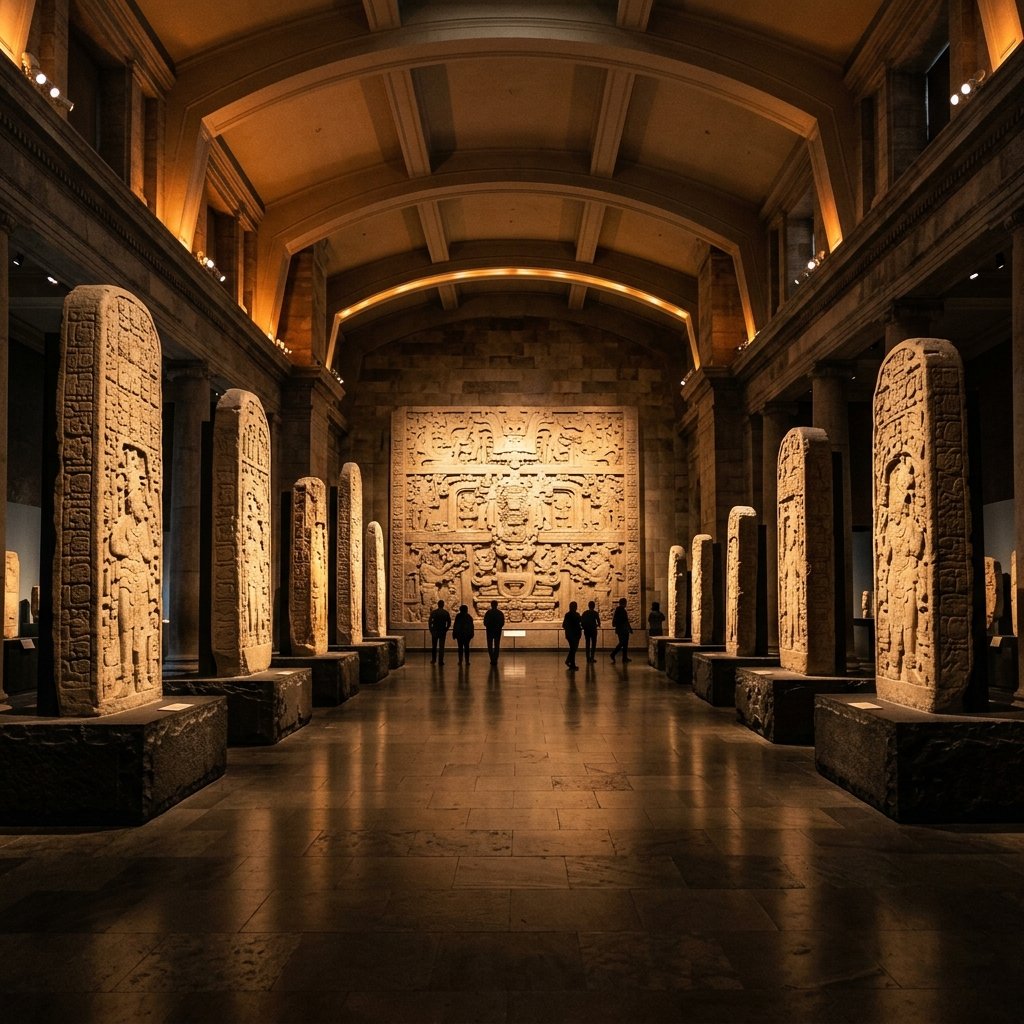
Maya Artifacts Worldwide
While the largest Maya collections are in the Americas and Europe, institutions in Canada, Japan, and Australia have developed their own Maya holdings — primarily through the Royal Ontario Museum's permanent collection and major traveling exhibitions that have brought Maya art to Asian and Australian audiences for the first time.
Canada
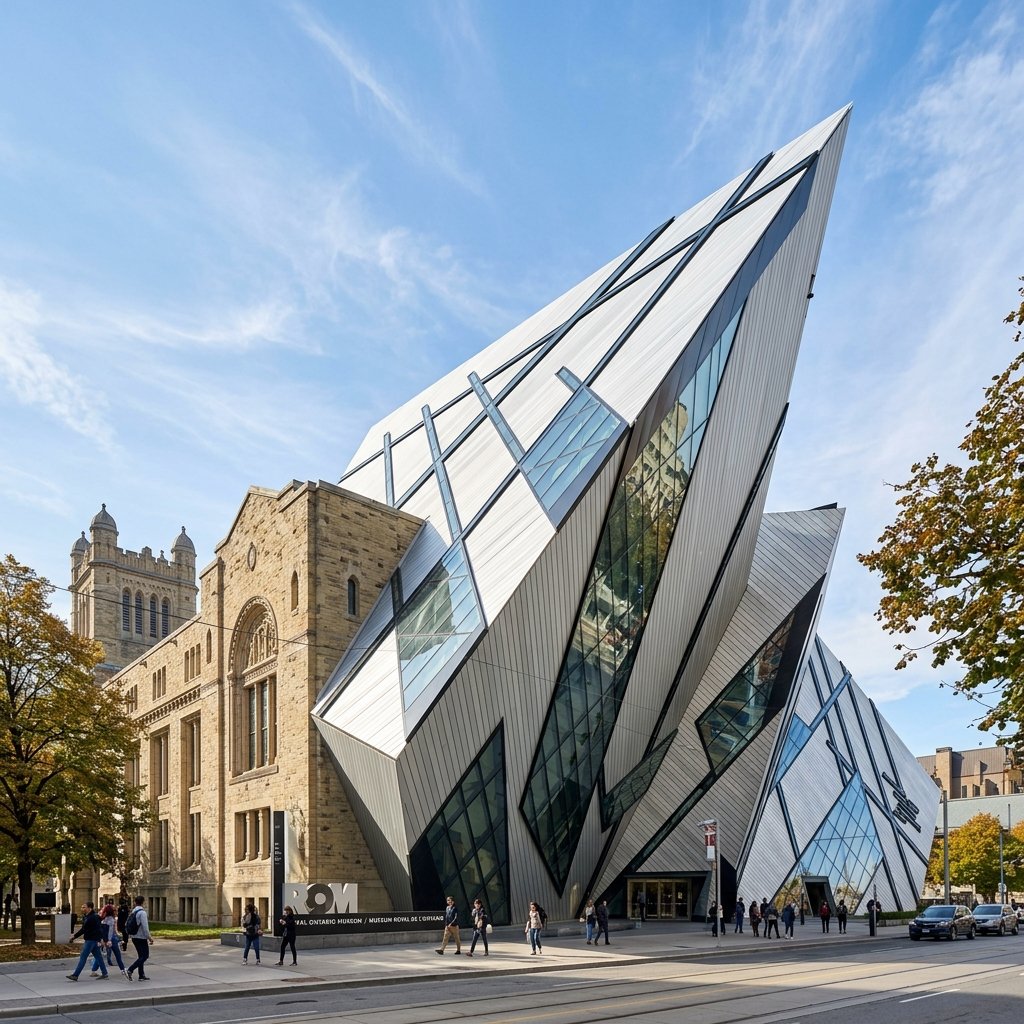
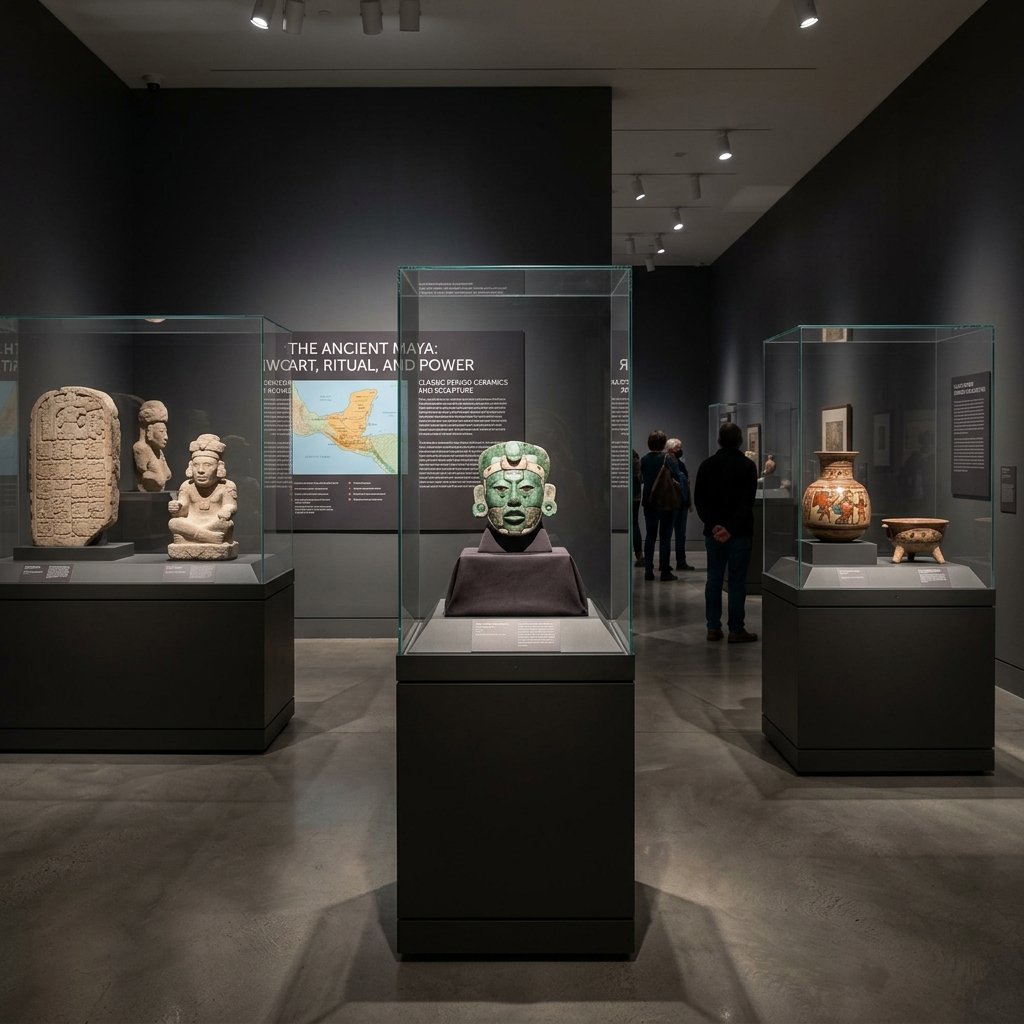
Royal Ontario Museum (ROM) — Toronto, Ontario
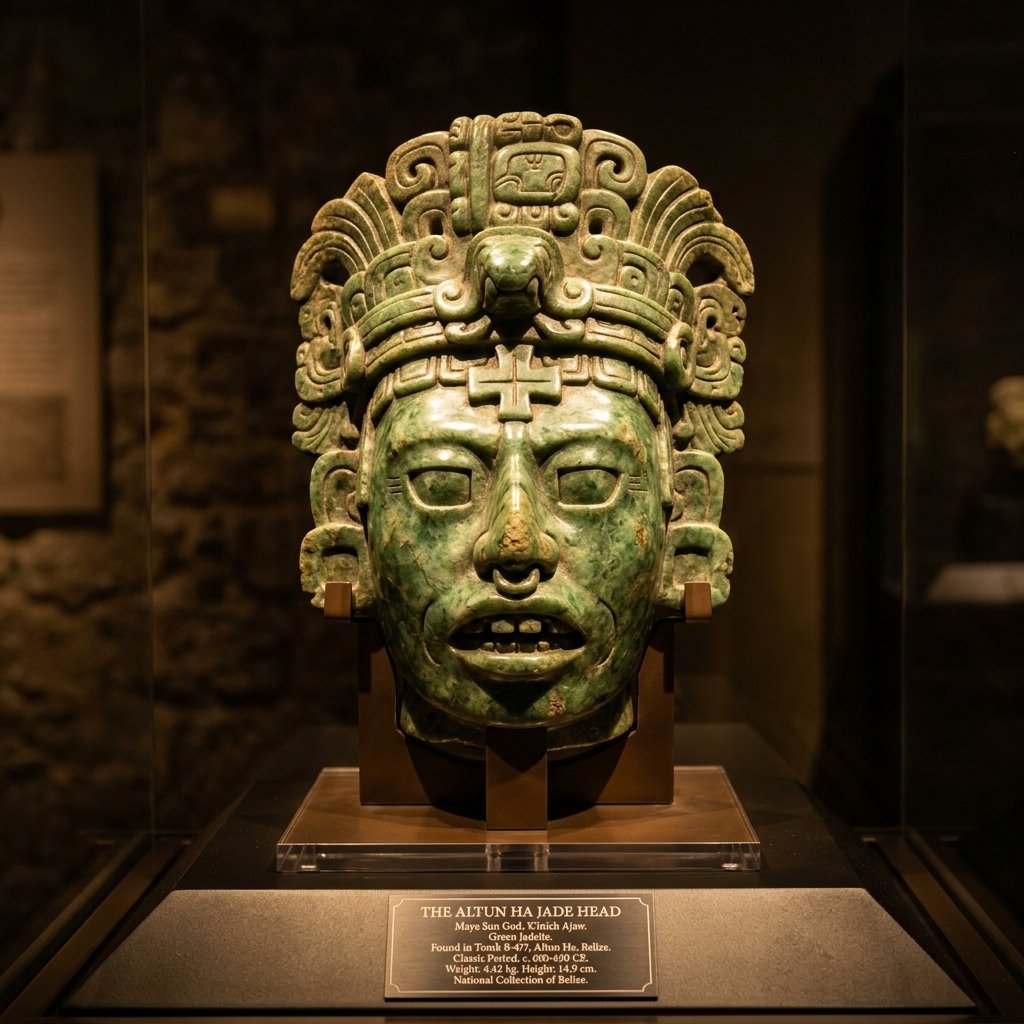
The ROM holds the most significant Maya collection in Canada, built through its own excavations at Altun Ha, Belize (1964–1970). The star object is the Jade Head of K'inich Ajaw — a 4.42 kg carved jade pendant, one of the largest Maya jade objects ever found. It appears on Belizean currency. The collection also includes Altun Ha ceramics, stone tools, and shell ornaments.
- 📍 100 Queen's Park, Toronto, ON M5S 2C6, Canada
- 🌐 rom.on.ca
- 💰 Adults: C$23 | Students: C$18 | Under 4: Free
- 🕐 Mon–Thu: 10:00 AM – 5:30 PM; Fri: 10:00 AM – 8:30 PM; Sat–Sun: 10:00 AM – 5:30 PM
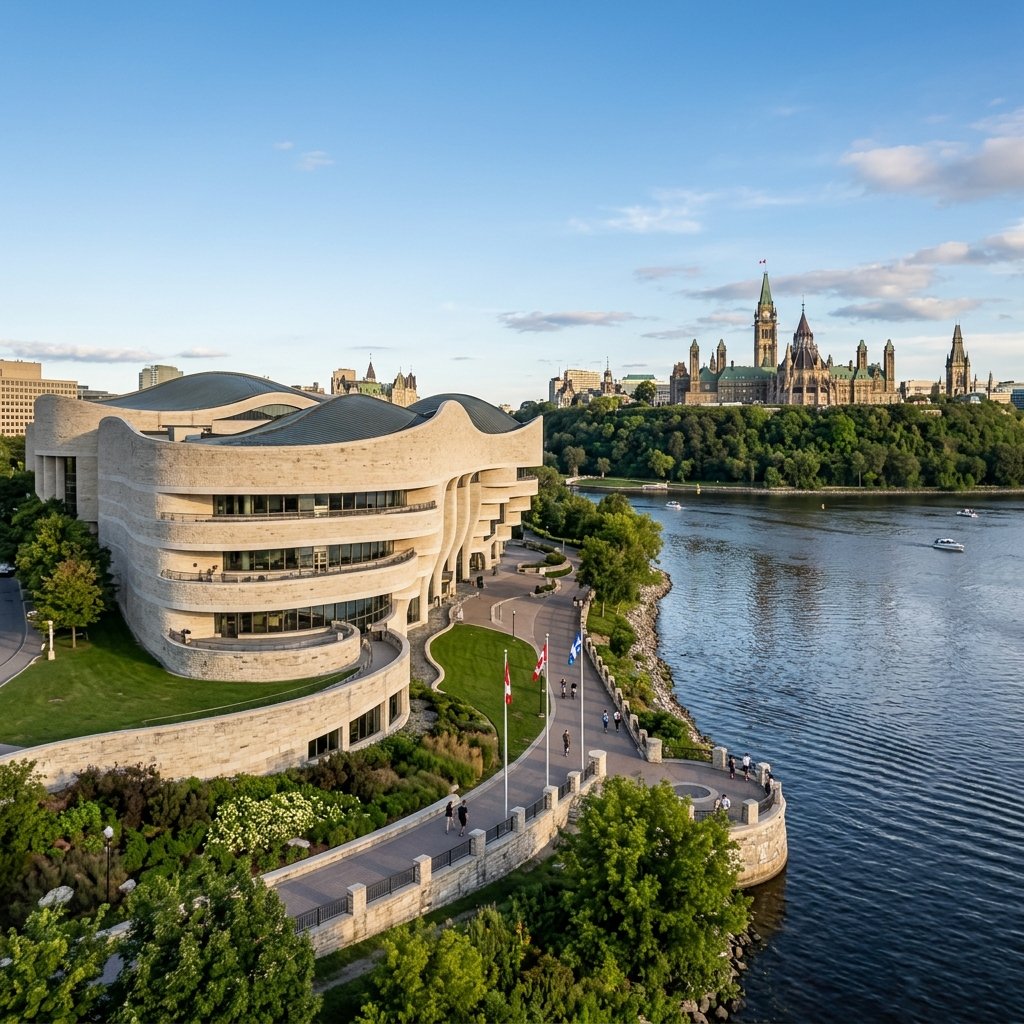
Canadian Museum of History — Gatineau, Quebec
Located across the Ottawa River from Parliament Hill, this museum has hosted major Maya traveling exhibitions. The Grand Hall and temporary exhibition spaces bring Maya artifacts from INAH collections to Canadian audiences.
- 📍 100 Laurier St, Gatineau, QC K1A 0M8
- 🌐 historymuseum.ca
Asia
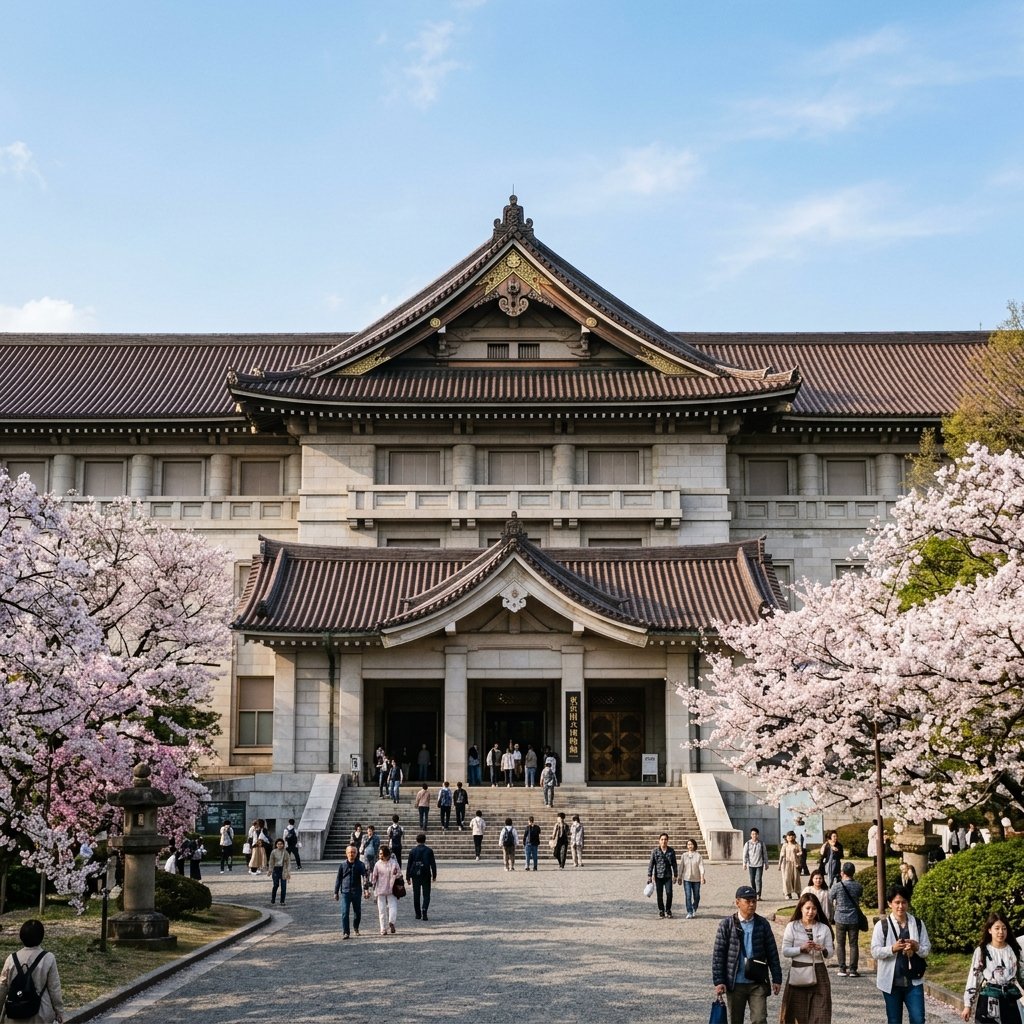
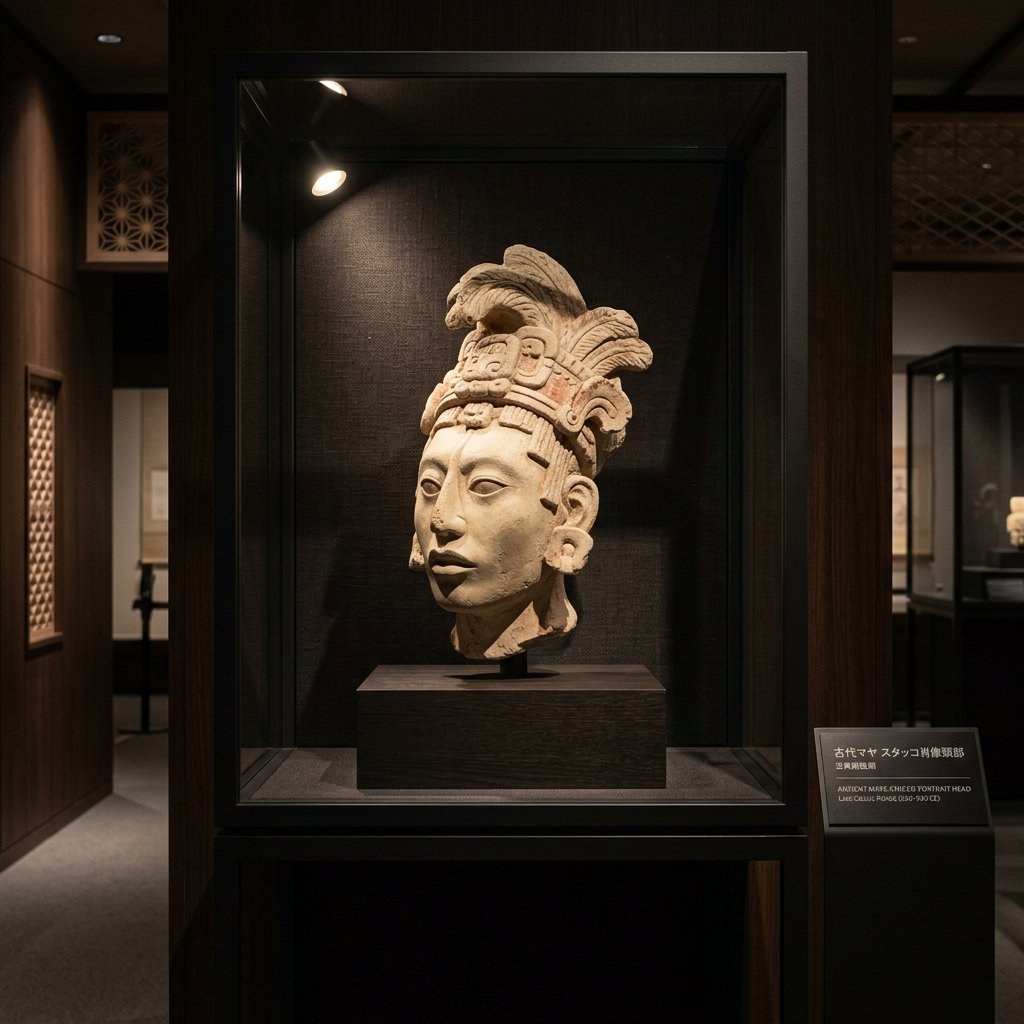
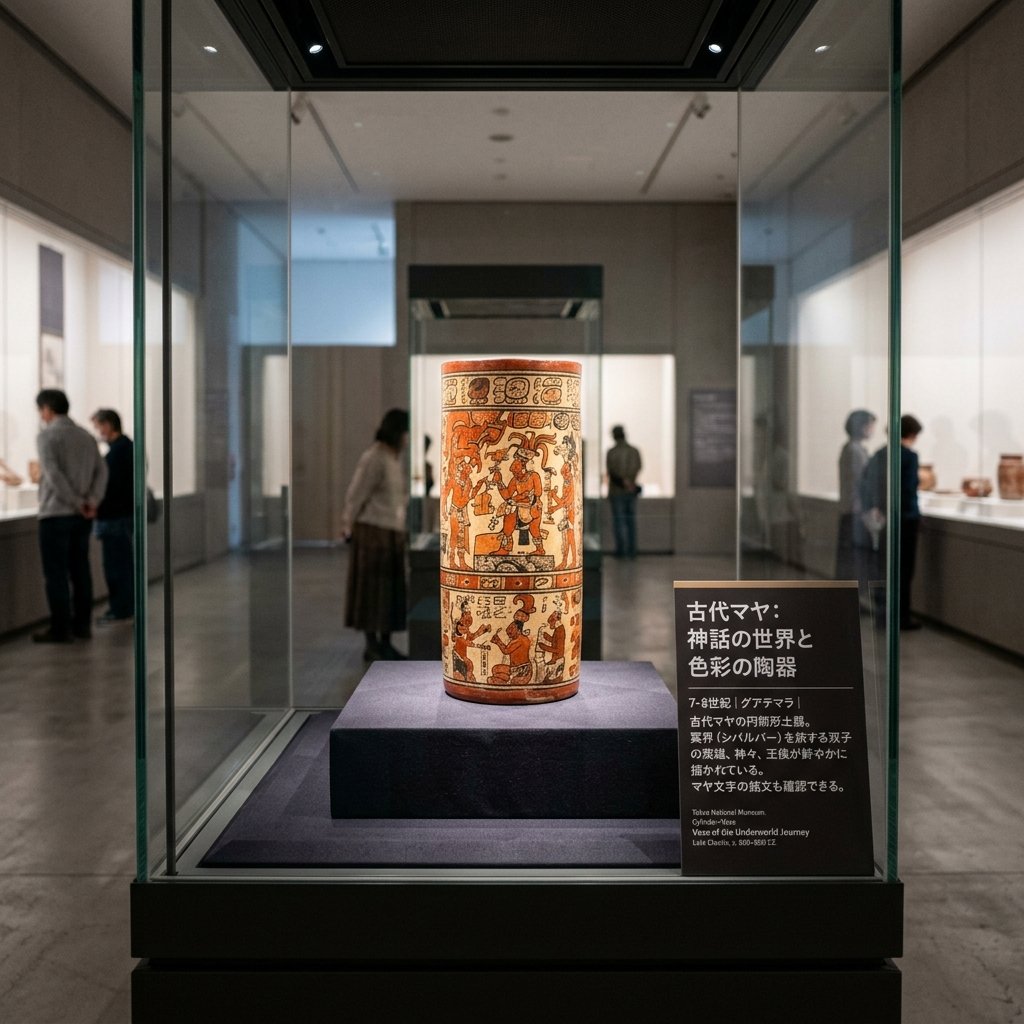
Tokyo National Museum
Japan's largest museum has hosted major Maya exhibitions including "The Maya: Language of Beauty" (2003).
📍 13-9 Uenokoen, Taito-ku, Tokyo 110-8712
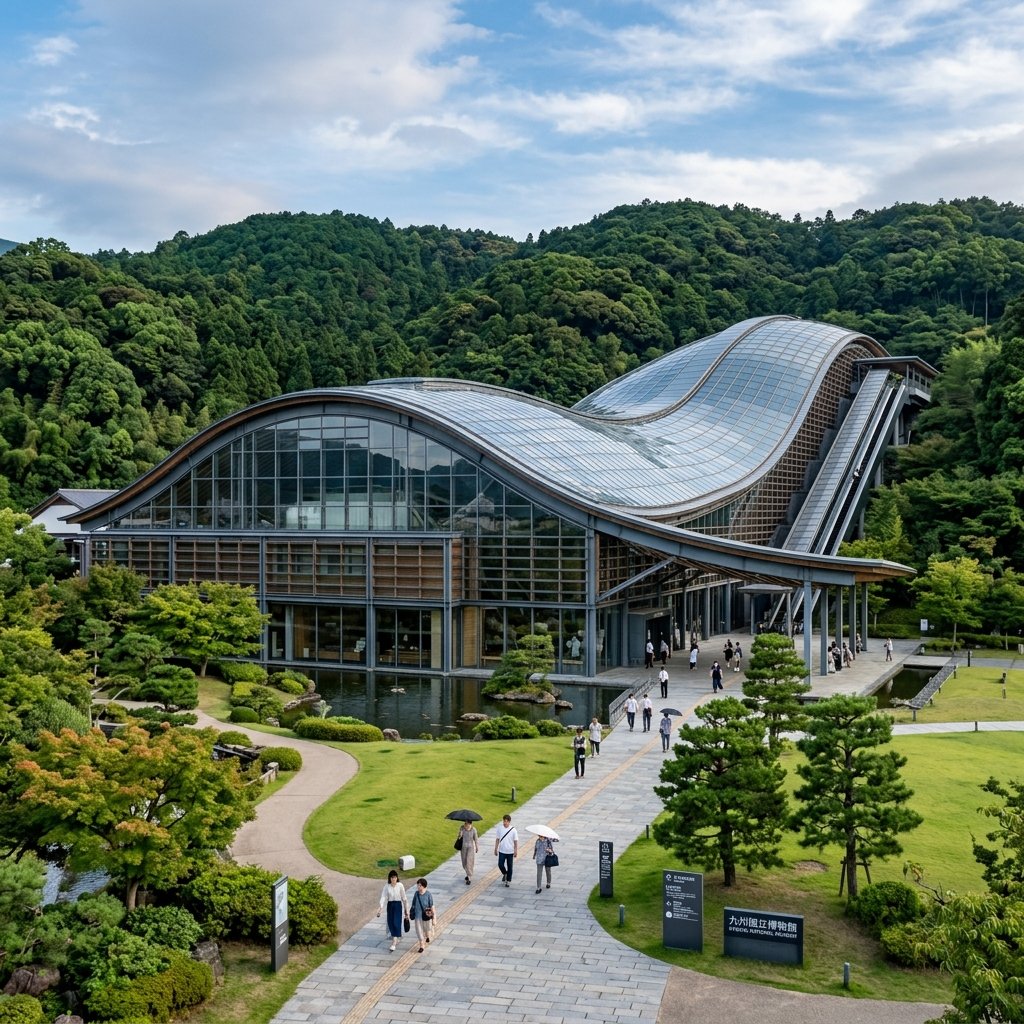
Kyushu National Museum
Hosted "Ancient Maya: The Origins of Beauty" (2024) — 400+ INAH objects including Palenque stucco heads.
📍 4-7-2 Ishizaka, Dazaifu, Fukuoka 818-0118
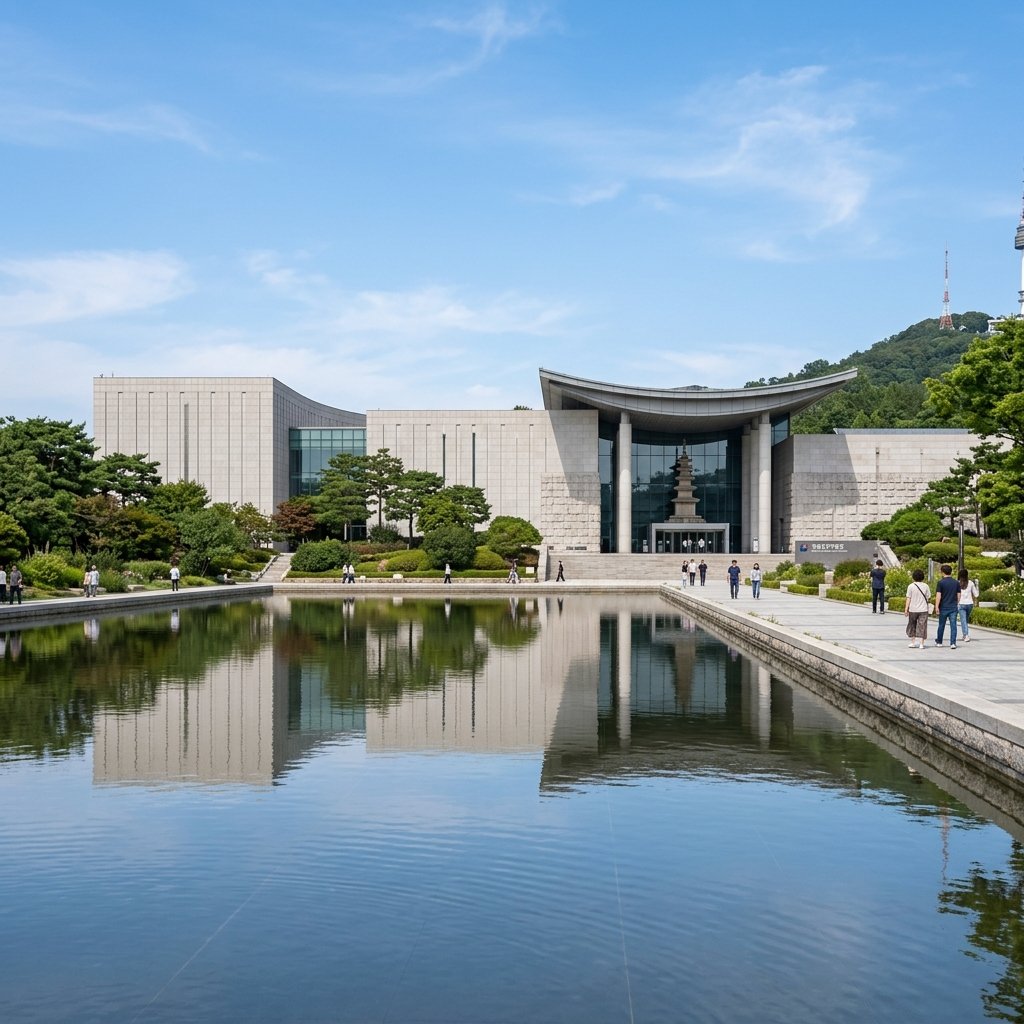
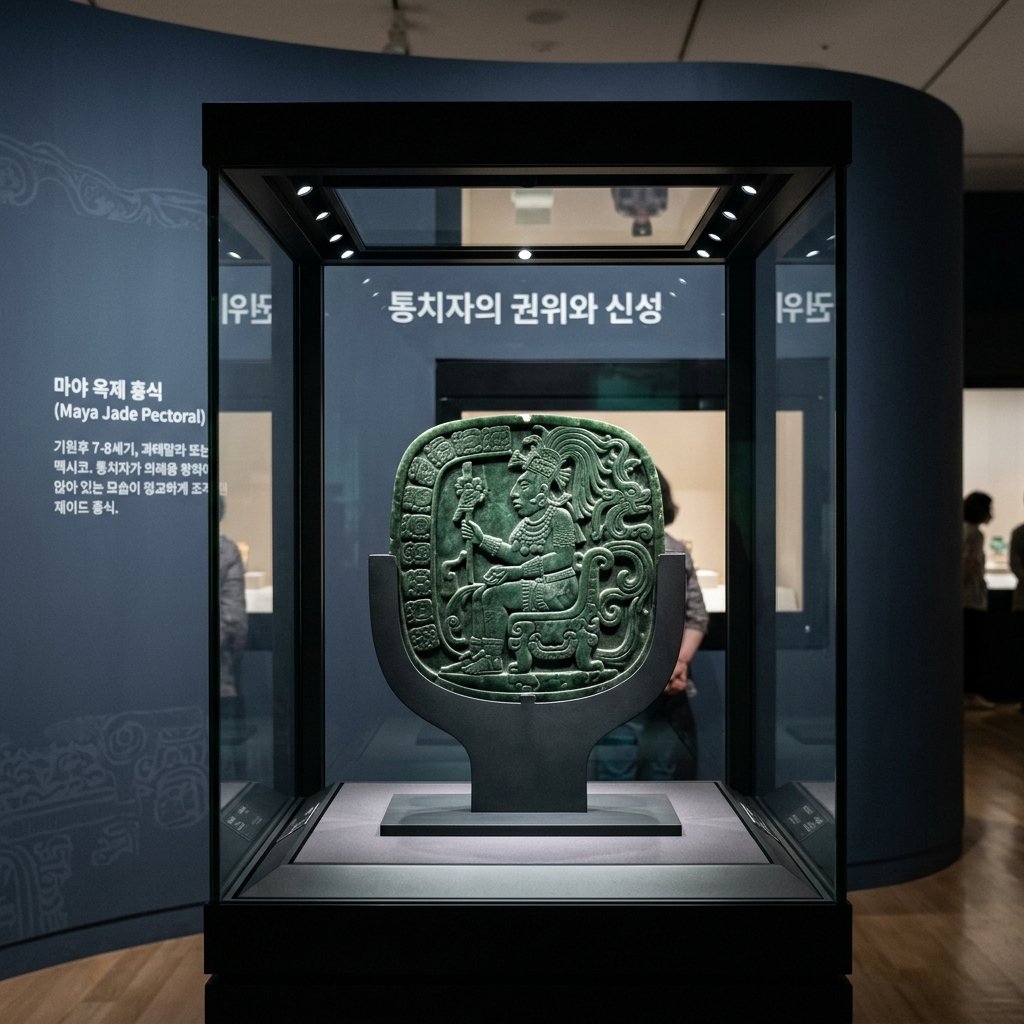
National Museum of Korea — Seoul
Has hosted traveling Mesoamerican exhibitions through strong Latin American cultural exchange programs.
📍 137 Seobinggo-ro, Yongsan-gu, Seoul
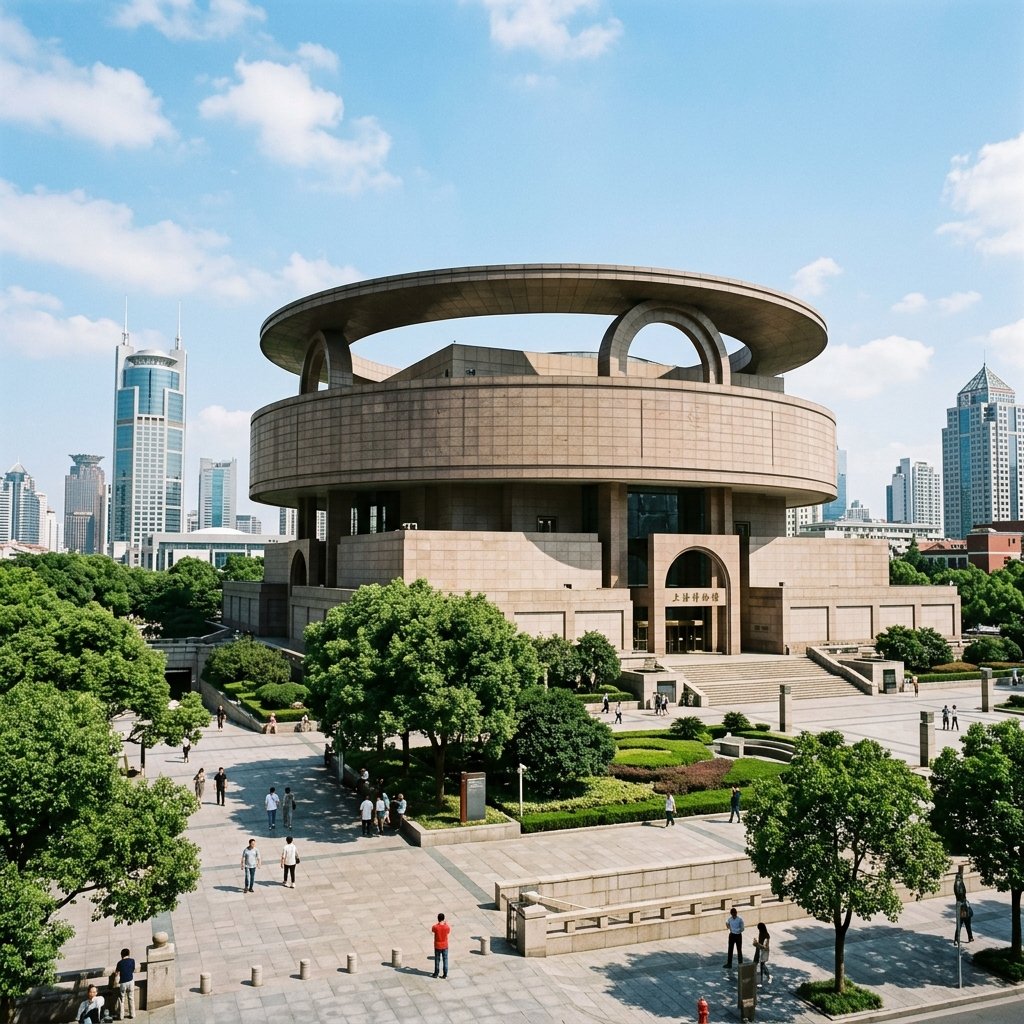
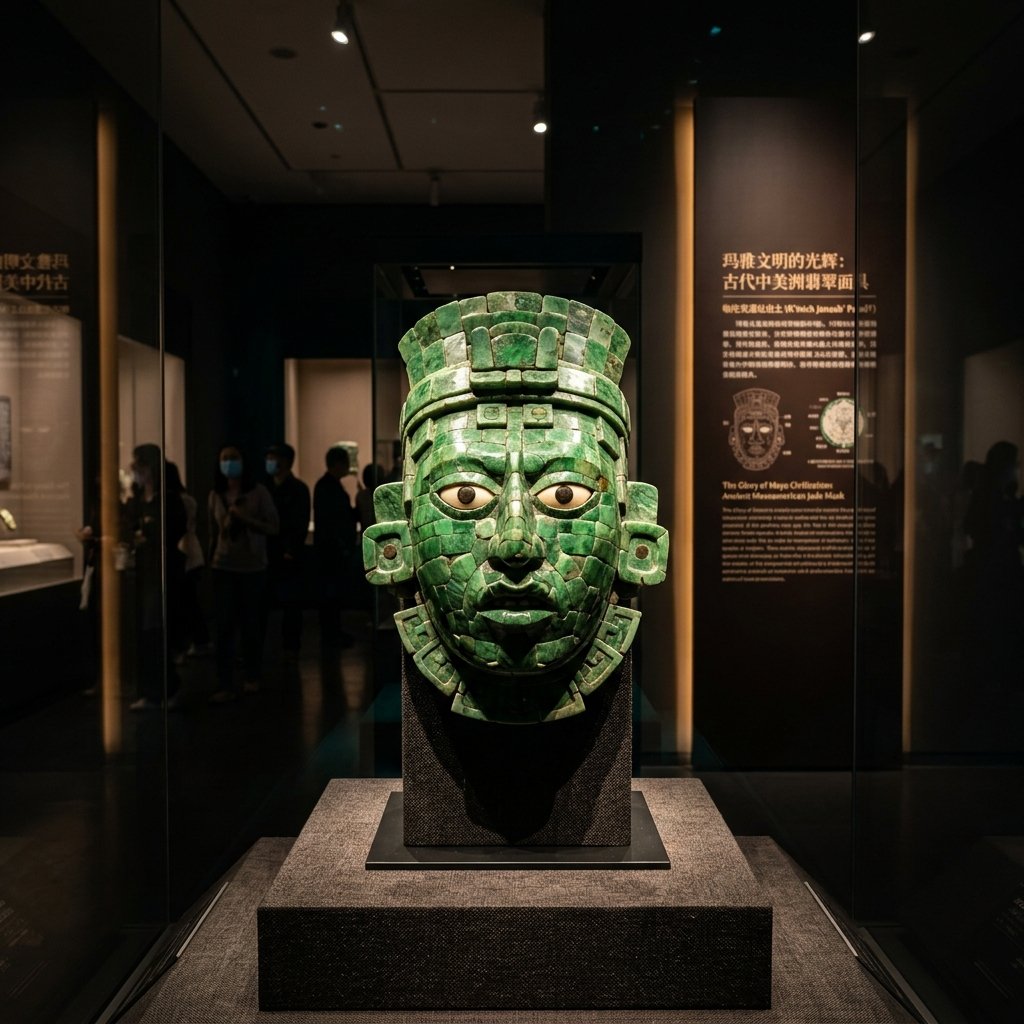
Shanghai Museum — China
Has displayed Maya objects as part of broader ancient Americas exhibitions driven by China's growing interest in comparative ancient civilizations.
📍 201 Renmin Da Dao, Huangpu Qu, Shanghai
Japan's Unique Connection to Maya Studies
Japanese engagement with Maya studies is uniquely deep. Takeshi Inomata (University of Arizona), a Japanese-born archaeologist, has conducted some of the most important Maya excavations of the 21st century — including work at Ceibal and the discovery of Aguada Fénix, the largest and oldest known Preclassic Maya monument. Joint Japan-Guatemala projects have produced artifacts shared between countries, and Japan has hosted more major Maya exhibitions than any other Asian country.
Scholarly References
- Pendergast, D. M. (1979–1990). Altun Ha: Excavation of a Maya Trading Center. 3 vols. Royal Ontario Museum.
- Inomata, T. et al. (2020). "Monumental Architecture at Aguada Fénix." Nature, 582, 530–533.
- Inomata, T. & Triadan, D. (2010). Burned Palaces and Elite Residences of Aguateca. University of Utah Press.
- Coe, M. D. (1999). The Maya. 6th ed. Thames & Hudson.
- Sharer, R. J. & Traxler, L. P. (2006). The Ancient Maya. 6th ed. Stanford University Press.
Frequently Asked Questions
Where is the closest Maya collection if I live in Asia or Oceania?
Watch for traveling exhibitions — major shows have visited Tokyo, Osaka, Seoul, Shanghai, Perth, and Melbourne. For a permanent collection, the Royal Ontario Museum in Toronto is the closest major Maya collection crossing the Pacific.
What is the Altun Ha Jade Head?
A 4.42 kg carved jade representation of the Sun God K'inich Ajaw, found in 1968 by David Pendergast at Altun Ha, Belize. The largest carved Maya jade head ever discovered. It appears on Belizean banknotes.