Acan at a Glance
The Sacred Nature of Intoxication
To understand Acan, the Maya god of wine, one must first discard modern Western notions of recreational drinking. In the ancient Maya world, intoxication was not a leisure activity—it was a highly regulated, sacred technology designed to alter consciousness and facilitate direct communication with the supernatural realm.
Acan was the deity who presided over this transition. His name translates roughly to "Groan" or "Belch"—a blunt reflection of the physical realities of heavy alcohol consumption. But his role was profoundly spiritual. Through the consumption of sacred beverages, priests, nobles, and sometimes the general populace achieved states of trance that allowed them to receive visions, speak with ancestors, and divine the future.
Balché: The Wine of the Gods
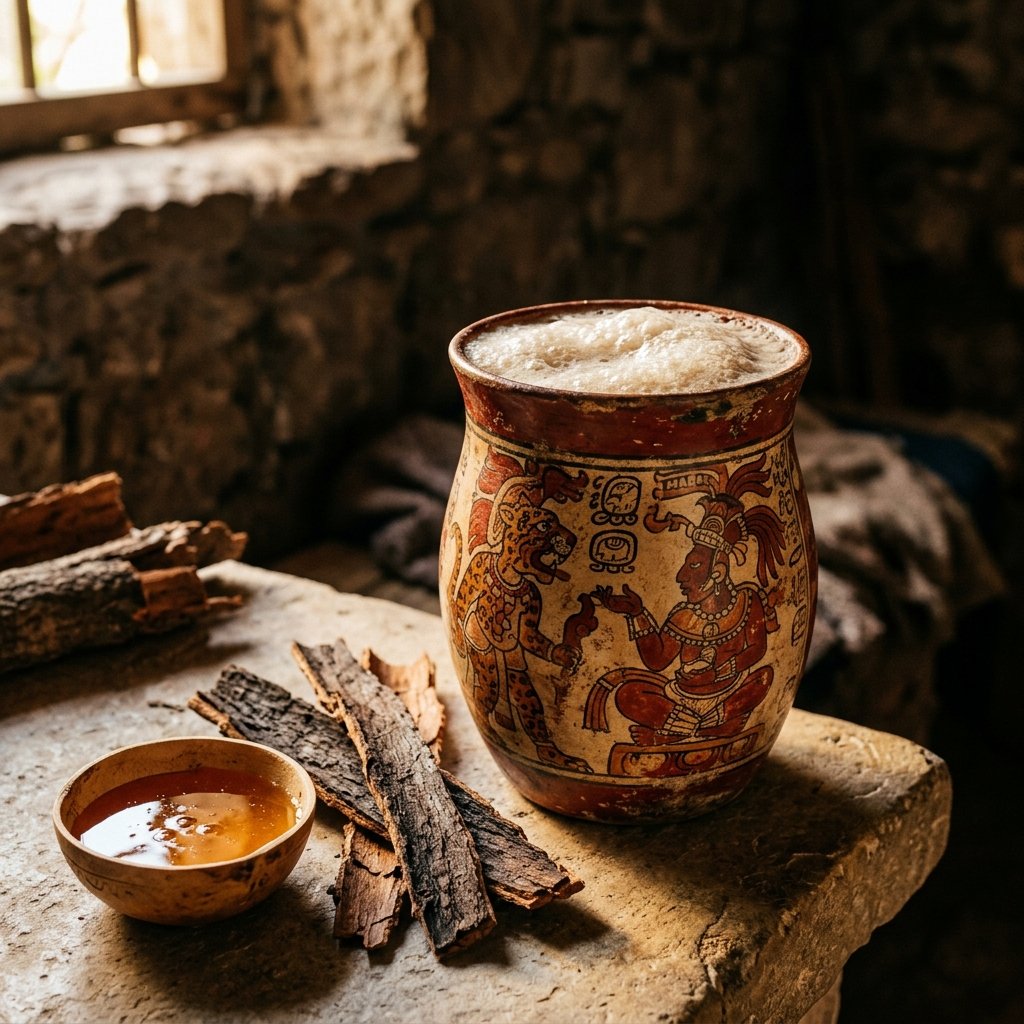
Acan is most closely associated with balché, the primary ritual beverage of the Maya. While the Maya had several fermented drinks (including corn-based chicha), balché was considered the drink of the gods.
Balché is made by fermenting water and honey (often from the native stingless bees) with the bark and roots of the balché tree (Lonchocarpus violaceus). The resulting liquid is milky, mildly alcoholic, and contains specific alkaloids from the bark that give it a slightly psychoactive, purifying effect.
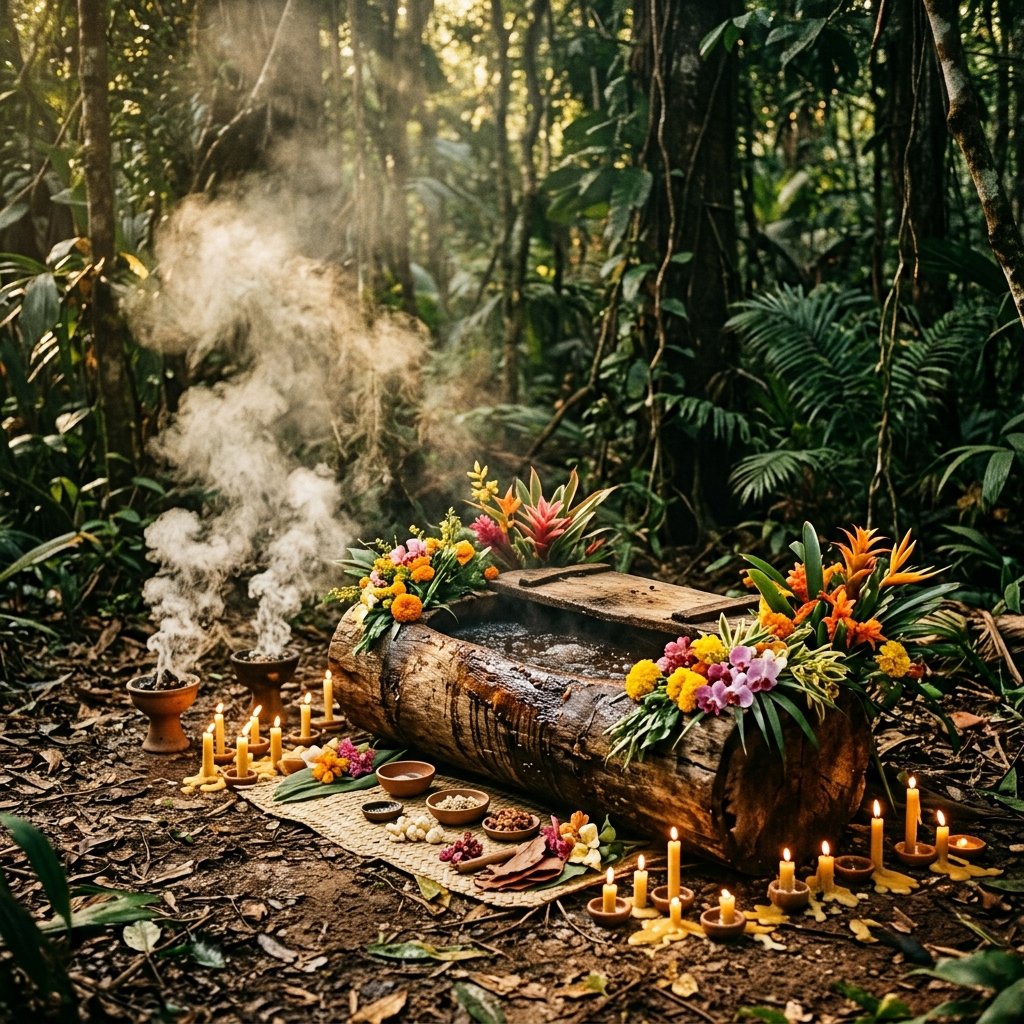
Bishop Diego de Landa, writing in the 16th century, noted that the Maya drank balché heavily during festivals, and that the Spanish quickly moved to ban it, viewing the resulting intoxication and visions as demonic. However, the Maya insisted that the drink kept them healthy and cleansed them of spiritual pollution (Tozzer, A.M., Landa's Relación, 1941, p. 92).
Ritual Enemas
Perhaps the most surprising aspect of Acan's cult, documented extensively on Classic-period polychrome ceramics, is the use of ritual enemas to administer intoxicants.
Maya artists frequently painted scenes of gods and nobles using specialized syringes to inject fermented liquids directly into the rectum. This method of administration bypasses the digestive system and liver, leading to much faster and more intense intoxication, and avoids the vomiting often caused by drinking large quantities of bitter balché or other hallucinogenic concoctions.
The fact that these scenes appear on elite ceramics—items gifted between kings—demonstrates that this practice was not considered shameful or vulgar, but an elite religious technology for achieving trance (Houston, S., et al., The Memory of Bones, 2006).
The Social Function of Acan
Ritual drinking under Acan's patronage served several critical social functions:
- Communitas: Communal drinking dissolved rigid social boundaries temporarily, fostering group cohesion during massive public festivals.
- Divination: Intoxication allowed daykeepers and priests to loosen their ties to the physical world and "see" into the spiritual realm.
- Preparation for Sacrifice: Some evidence suggests that captives or those slated for sacrifice were given intoxicating drinks to ease their transition, though they were expected to face death bravely.
References
- Tozzer, A.M. Landa's Relación de las cosas de Yucatán: A Translation. Harvard University, Peabody Museum Papers, Vol. 18, 1941.
- Houston, S., Stuart, D., & Taube, K. The Memory of Bones: Body, Being, and Experience among the Classic Maya. University of Texas Press, 2006.
- Gillespie, S.D. The Aztec Kings. University of Arizona Press, 1989. (Provides comparative Mesoamerican context on ritual intoxication).
- Coe, M.D. The Maya. Thames & Hudson, 9th edition, 2015.
- Taube, K. The Major Gods of Ancient Yucatan. Dumbarton Oaks, 1992.
Frequently Asked Questions
Who is Acan?
Acan is the Maya god of wine and intoxication. His name roughly translates to "Groan" or "Belch." He presided over the ceremonial consumption of fermented beverages, which the Maya used to achieve trance states and communicate with the spiritual world.
What is balché?
Balché is a sacred Maya wine made from water, honey (from stingless bees), and the bark of the balché tree. It was the primary beverage consumed in ceremonies associated with Acan. The bark gives the mildly alcoholic drink purifying and slightly psychoactive properties.
Did the Maya drink for fun?
While the Maya certainly enjoyed the effects of alcohol, heavy intoxication was generally reserved for ritual and religious festivals. In ancient Maya culture, entering an altered state of consciousness was viewed as a way to cross the boundary between the human and divine worlds, making drinking a sacred act rather than just a recreational one.